
IBISWorld Platform
Answer any industry question in minutes with our entire database at your fingertips.

Aggregate household debt is projected to reach $2,579.2 billion in 2026, representing continued growth from $2,531.7 billion in 2025. This expansion reflects ongoing household borrowing activity despite elevated interest rates that have increased debt servicing costs across the economy. The current performance indicates Canadian households continue accessing credit for housing, consumption, and investment purposes, though at more measured rates compared to previous periods of rapid debt accumulation. Debt growth remains supported by population expansion, household formation, and persistent housing market activity, though rising borrowing costs are constraining the pace of new debt accumulation. The continued increase demonstrates the ongoing role of credit in financing household economic activity, while elevated interest rates are beginning to moderate debt growth patterns compared to the exceptional expansion experienced during ultra-low-rate periods.Aggregate household debt has risen steadily over the five-year period from 2021 to 2026, rising from $2,380.2 billion to a projected $2,579.2 billion despite significant economic disruption and policy changes. The period began with substantial debt growth as pandemic-related policy measures, including income support programs and ultra-low interest rates, supported household borrowing capacity. Emergency lending facilities and mortgage payment deferrals helped maintain household credit access during economic uncertainty, while historically low borrowing costs encouraged refinancing and new borrowing activity.The debt trajectory experienced some volatility during the recovery period, with growth moderating in 2022 as interest rates began rising and economic conditions normalized. However, debt levels resumed steady expansion as households adapted to changed economic conditions while maintaining essential borrowing for housing and consumption needs. The five-year period reflects the dual impact of policy support that initially sustained debt growth and subsequent monetary tightening that moderated but did not reverse the long-term expansion trend.Population growth driven by immigration has provided fundamental support for aggregate debt expansion, as new households require financing for housing and establishment needs. The housing market boom during 2020-2022 contributed significantly to mortgage debt accumulation, while consumer spending recovery supported non-mortgage borrowing growth. Despite rising interest rates that increased debt servicing burdens, Canadian households have demonstrated capacity to manage higher debt service costs while continuing to access credit markets.The period has been characterized by evolving debt composition, with mortgage debt representing the largest component of household obligations while consumer credit growth has moderated. Government policy measures including enhanced mortgage stress testing and borrower qualification requirements have influenced lending patterns, though these measures have not prevented continued aggregate debt expansion. The sustained growth in household debt reflects both demographic demand and the central role of credit in supporting Canadian household economic activity.
Curious about what drives these trends? IBISWorld's analyst coverage on the aggregate household debt includes detailled analysis on the current performance, outlook and industries affected.
1980-2032
Aggregate household debt in Canada represents the total outstanding debt obligations of Canadian households, including mortgages, consumer credit, and other borrowings, measured in billions of chained 2017 dollars. This metric captures the overall indebtedness of Canadian consumers across all forms of credit. Data is sourced from the International Monetary Fund and is presented in chained 2017 dollars.
IBISWorld Industry Reports are available in multiple formats to fit seamlessly into your workflow.

Answer any industry question in minutes with our entire database at your fingertips.
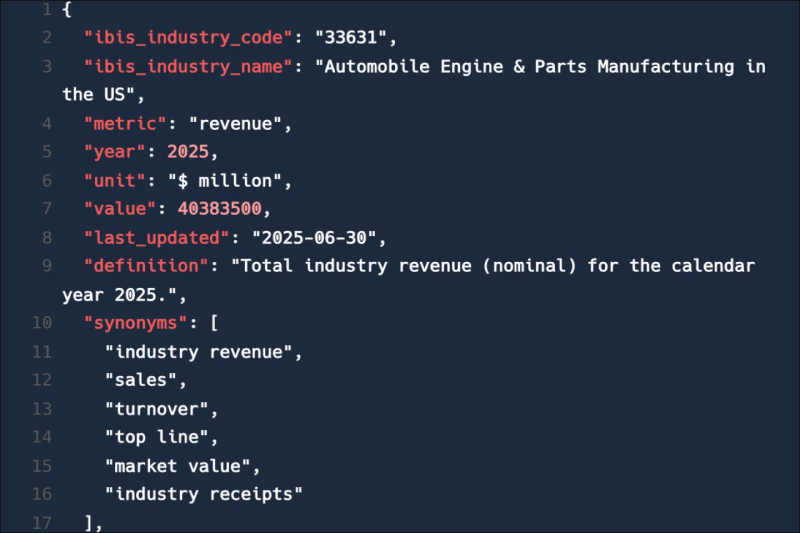
Feed trusted, human-driven industry intelligence straight into your platform.
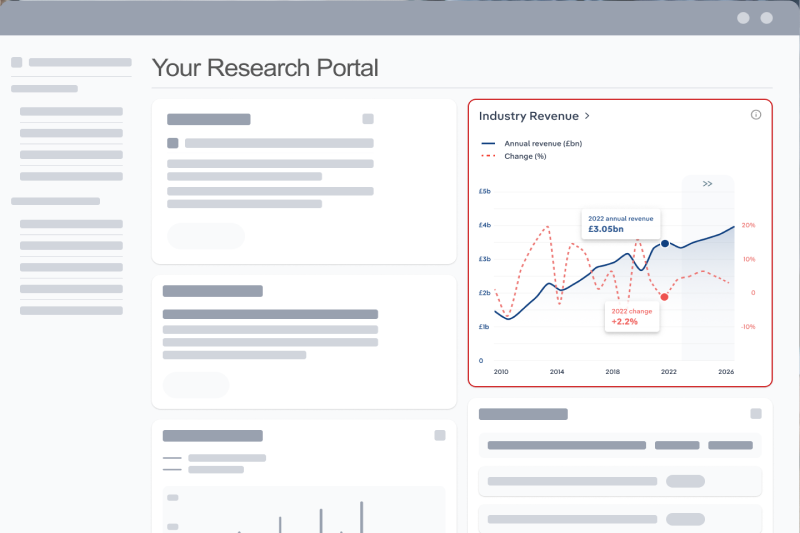
Streamline your workflow with IBISWorld’s intelligence built into your toolkit.
Explore industries with similar markets, supply chains, and economic drivers to gain broader context and insights.
| Industry | Country | Last 5-yr CAGR | Forecast 5-year CAGR | Revenue |
|---|---|---|---|---|
| Debt Collection Agencies in Canada |

|
XX% | XX% | $XX |
| Loan Administration, Cheque Cashing & Other Credit Intermediation Services in Canada |
|
XX% | XX% | $XX |
| Commercial Banking in Canada |
|
XX% | XX% | $XX |
When the stakes are high, you need intelligence that cuts through the noise—wherever you work.
The aggregate household debt in Canada in 2026 was $2,579.16 billion.
The aggregate household debt in Canada grew by 1.62% in 2026.
IBISWorld’s data and analysis on aggregate household debt in Canada includes forecasted growth rates over the next five years.