


Key Takeaways
- Higher input costs are being passed down the supply chain to consumers and taxpayers, with households absorbing the shock through fuel prices, mortgage rates and grocery bills.
- Decades of trading sovereign capacity for cheaper imports have left Australia short on domestic refining, fuel reserves and urea production, with few quick fixes available.
- A prolonged conflict would accelerate structural shifts already on the table: gas reservation, fertiliser diversification, critical minerals investment and an energy transition pivot.
As the conflict between the United States, Israel and Iran continues to send shockwaves around the world, Australian businesses are changing their outlooks for revenue, profit margins and input costs to determine how best to navigate the flow-on effects from the blockades in the Strait of Hormuz.
To acknowledge and elaborate on how this shift in the world's economic status quo has impacted trade, five IBISWorld analysts have shed light on how their sectors are responding and will be affected.
Andrew Ledovskikh: Energy and Fuel
Matthew Gomersall: Trade and Logistics
Aishni Singh: Agriculture and Food
Matthew Reeves: Financial Markets, Superannuation and the Macroeconomy
Nicholas Larter: Mining (excluding Energy)
Together, their insights reveal how this conflict is rippling through fuel pumps, freight routes, farm gates, mortgage rates and mining operations, reshaping the outlook for Australian industries well beyond the immediate crisis.
Front-Line Effects
How is the situation in the Middle East directly affecting your sector right now, and what are the short-term risks your sector faces over the next 12 months if the conflict continues or escalates?
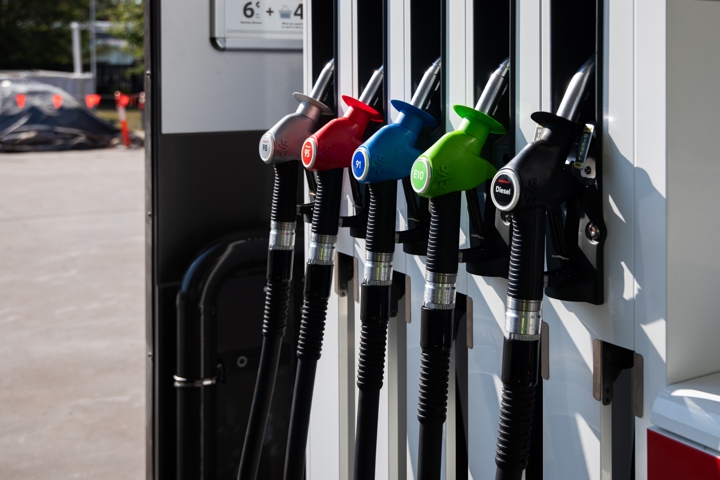
Andrew Ledovskikh: Fuel retailers have faced very chaotic conditions, particularly in regional areas. While supply has remained resilient in the short term, with only a minor decline in the number of tanker arrivals at Australian ports in February and March, spikes in demand as consumers have looked to stock up on fuel ahead of fears of shortages and further price increases have led to localised shortages of fuel at retail outlets.
Regional and remote areas have faced additional issues, as these retailers often rely on smaller independent fuel wholesalers. Regional retailers and independent wholesalers have complained in March that they're struggling to secure contracted or adequate volumes from major vertically integrated fuel wholesale companies, accusing them of prioritising their own retail outlets and major contracts.
The number of fuel retailers facing shortages peaked in late March, at close to 900 outlets, but steadily declined over April to around 400, according to individual state government reporting. Additionally, fuel reserves at the beginning of April were reported to have increased slightly rather than decreased since the start of the conflict, indicating that actual physical supply conditions remain resilient.
Despite supply resilience in the wake of the Iran conflict so far, Australia should be bracing for sustained pain in terms of fuel and energy prices over the coming year. The damage to global natural gas and oil supply chains has already been done, and even a complete reopening of the Strait of Hormuz tomorrow will still see an extended period of elevated prices and potential shortages as world supply chains play catch-up. Beyond just logistical concerns, attacks on natural gas and oil facilities in the Middle East are expected to have an ongoing impact on production.
The strong local supply of natural gas and political concerns have, so far, seen Australia avoid a spike in domestic gas prices, even as prices in Asia and Europe have surged. The natural gas sector is in the middle of a political showdown, with the Federal Government exploring the possibility of additional taxes and industry groups pushing for a gas reservation policy that would restrict exports. This has helped incentivise the industry to keep domestic prices lower, while increasing the profitability of their export sales. However, domestic gas prices are expected to rise in the coming months, particularly if the Strait of Hormuz remains closed and international prices continue to remain elevated.
Matthew Gomersall: While oil prices will hit freight margins in the short term, most logistics services could adjust pricing and pass these costs on to customers. As the sector starts to raise prices to preserve margins, demand-side constraints could do the most damage to the trade and logistics sector's performance. By passing down fuel costs, end consumers could face sharp price increases across all retail markets, pushing inflation to roar past 4% in mid-2026. Rising unaffordability could constrain discretionary spending, creating a feedback loop in which oil price pass-throughs cannibalise demand in discretionary-heavy logistics markets like ecommerce and premium imports.
In a wider context, a key risk for markets is the impact of ‘de-dollarisation’ on import and export markets. Over 2025, various central banks looked to diversify away from the US dollar towards gold, as rising debt and artificially suppressed interest rates raised US currency risks. Conflict in Iran could amplify this trend, depreciating the US dollar as global markets lose confidence in the United States’ fiscal credibility and policy stability. This could open the door for new currencies, like the Chinese yuan, to creep into global trade routes.
Against a backdrop of rising interest rates and inflation in Australia, falling demand for the US dollar has led the Australian dollar to skyrocket by more than 7% against the greenback since January. This improves Australia’s ability to import goods priced in US dollars, while eroding the affordability of its commodity-heavy export markets.
Aishni Singh: The Middle East crisis has constrained freight transport in the Strait of Hormuz, leading to delays in Australia’s agricultural sector and in food producers' ability to receive or send shipments. Australia is a net importer of fertilisers, with Gulf states like Saudi Arabia and the United Arab Emirates accounting for over one-third of fertiliser imports in 2025-26. Growers are uniquely exposed to global shocks to nitrogen-based fertiliser supply, particularly urea, given the lack of domestic production facilities.
Over 60% of the domestic urea supply typically transits through the Persian Gulf, but with the conflict limiting shipping, farmers are facing delays. The effect is compounded by the largest national ammonia plant shutting down for two months amid this conflict. These shortages are converging with winter planting across Australia's most productive and economically significant crops, including grains like wheat and barley. Growers require an adequate fertiliser supply for mid-season applications, and any shortfall risks production losses. The agricultural sector is also facing surging energy and fuel costs, driving up operational expenses and thinning margins. At the same time, the sector struggles to export fresh or processed produce and livestock to key Middle East markets amid logistical constraints and soaring shipping costs.
A continuation of the conflict could lead to growers planting fewer crops or opting for varieties that require less fertiliser. If fertiliser supply doesn't normalise, farmers may also be forced to leave cropland idle, leading to cascading impacts on downstream markets in the agricultural sector, like livestock farming or meat processing.
Matthew Reeves: The surge in global oil prices is driving up petrol and diesel prices in Australia, and in turn increasing freight, transport and broader input costs across the economy. These pressures are contributing to inflation at a time when households and businesses are already facing some of the most elevated price growth in the developed world. In response, the RBA raised the cash rate to 4.35% at its latest meeting in early May, marking the third successive rise this year. Banks will pass this through to their customers in the form of higher mortgage and business lending rates, intensifying cost-of-living pressures and prompting a cutback in spending. According to the Westpac-Melbourne Institute, consumer sentiment, which was already negative, fell 12.5% in April.
Rising costs for households and businesses are expected to result in higher arrears and loan defaults, putting pressure on bank revenue and profitability. Financial markets have been extremely volatile since the outbreak of the conflict, impacting the performance of Australia’s superannuation funds. Following the outbreak of the conflict, the All Ordinaries Index fell sharply and hasn’t fully recovered.
However, most listed equity investments by Australian super funds are now in overseas markets. While major US indices have rebounded, global benchmarks like the MSCI World Index remain down, highlighting the broader impact on world markets. Infrastructure and property investments, which also represent a significant share of superannuation portfolios, face similar risk of volatility and valuation pressure.
Nicholas Larter: The Australian mining sector, excluding energy, has been impacted in several ways by the conflict in the Middle East, the most immediate being higher fuel costs, as with much of the broader Australian economy.
Traditional mining techniques like open-cut or underground mining are highly reliant on diesel fuel, though underground mining uses more electricity because of ventilation concerns in confined spaces. This dependence has meant that the dramatic hike in diesel prices has driven up producers' extraction costs and increased shipping and logistics costs.
However, the industry also faces downstream impacts. The International Monetary Fund has warned that the world is on track for slower growth in the coming years due to the fallout from the conflict in the Middle East. If this slowdown materialises, demand for crucial outputs like iron ore and metallurgical/coking coal may diminish, as they're correlated with global construction and infrastructure demand, pushing down revenue for heavyweights like Hancock Prospecting, Rio Tinto and Glencore at a time when logistics and fuel overheads are spiking.
Structural Vulnerabilities
Is your sector structurally prepared to absorb ongoing shocks from the Middle East, or are there fundamental vulnerabilities that have been ignored? What policy or regulatory changes from the Australian Government would most help your sector navigate this crisis?
AL: Australia has very limited refining capacity, with all but two of its oil refineries having been shut down over the past two decades. Australia’s remaining refining capacity accounts for less than 20% of its domestic fuel needs, making it reliant on refineries in Asia to maintain supply. This adds an additional supply chain vulnerability, as countries like Singapore, China, South Korea and Japan could prioritise their own domestic needs, impose export controls and leave Australia in the lurch.
Australia has very weak domestic fuel reserves, with approximately 30 days of jet fuel and diesel and over 45 days of gasoline stockpiled. If the country is cut off from foreign refineries, its ability to shore up domestic supply with reserves or domestic refining capacity is limited.
So far, Australia hasn’t seen a significant drop-off in tanker arrivals or been the victim of major export controls. South Korea has made mild moves towards export controls, limiting exports to 2025 levels, while China has increasingly prioritised its own domestic market, threatening a third of Australia’s jet fuel supply. However, Australia has tried to offset any reductions in supply by increasing its imports of US, European and Mexican fuel, limiting the impact of these declines.
Australia is in a strong negotiating position, with its large domestic natural gas reserves providing a strong bargaining chip on the international stage. The Asian economies that provide Australia’s refined petroleum products also tend to heavily import Australia’s natural gas, meaning they have strong incentives to continue supplying Australia with refined fuel products and to avoid provoking a tit-for-tat export control battle.
Despite the somewhat precarious nature of Australia’s fuel supply, the fuel wholesaling, refining and natural gas sectors are all in a strong position in terms of weathering the impact of the Middle East conflict as long as there’s no absolute shortage. These companies are more than able to pass on rising input costs domestically and, in some cases, boost margins, while natural gas exporters will generate significantly higher margins from export sales. However, if the situation deteriorates to an absolute shortage in Australia, independent fuel wholesalers and retailers may struggle to continue operating. Meanwhile, this scenario would also increase the risk of the government imposing retaliatory export controls, which could depress domestic gas prices and limit the ability of Australian natural gas producers to capitalise on rising foreign prices. This scenario remains highly unlikely at the moment.
MG: In 2024-25, Australia’s top five export destinations accounted for around 67% of total exports, with a quarter of total exports going to China, largely through sea freight.
Australia’s trading partner concentration is both a blessing and a curse. While strong exposure to neighbouring Asian and South-East Asian economies offers a short route to export and import markets that helps limit fuel costs, it also leaves the Australian economy vulnerable to changing economic conditions in those markets. This embeds risks going forwards, as Asian trade partners source a majority of their oil through the Strait of Hormuz. Restricted access through the strait could constrain Asia’s economic activity, potentially leading to a downturn in demand for Australian exports.
To keep Australian exports competitive amid fuel cost pressures, policymakers could consider targeted fuel rebates and tax incentives for exporters and importers, helping them lower domestic merchandise prices to offset substantial shipping costs. While this would offer short-term relief, prolonged fiscal expenditure may lead to long-term economic damage as fiscal budgets blow out. If conflict persists, policymakers could invest in mechanisms that support a shift towards high-value exports or diversification, like backing advanced manufacturers or fostering new free trade agreements with a wider range of economies. High-value exports increase the value of each shipping load, helping trade markets boost returns per load and offset rising fuel costs.
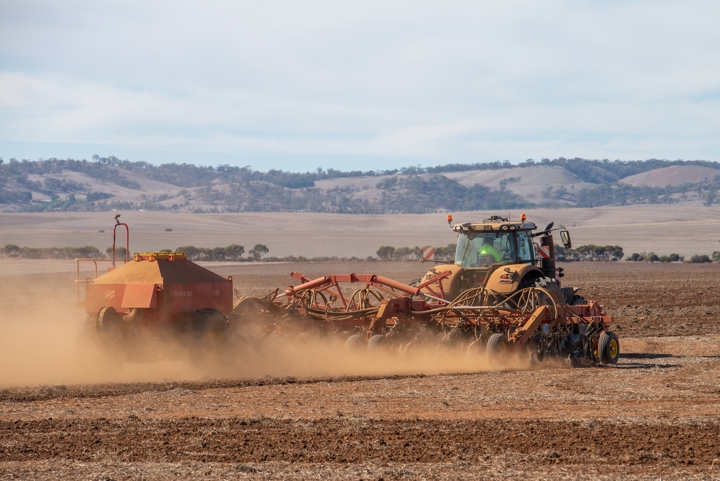
AS: The domestic agricultural sector is highly vulnerable to disruptions to global fertiliser shipments caused by the Middle East conflict. The shutdown of Australia’s last urea production facility at Gibson Island in 2023 effectively ended domestic production, leaving the agricultural sector highly exposed to shifts in global fertiliser markets. The Russia-Ukraine conflict, beginning in 2022, similarly disrupted the market and drove up fertiliser prices, but domestic capabilities helped soften the impact on the industry. However, the current conflict in the Middle East has not only led to rising costs but also to limited access, leaving farmers across the sector uncertain about when, or even if, they’ll receive their fertiliser shipments.
The unpredictable disruption to fertiliser markets underscores the need for domestic production capabilities. While a new urea production facility is in the works, completion isn’t expected until 2027, providing little relief from the current crisis. Meanwhile, the National Farmers Federation has urged the Federal Government to secure fuel supply for farming and fisheries, ease fertiliser supply by underwriting purchases, establish a dedicated working group, and provide targeted financial support for small businesses. Grain Producers Australia has also called for tax incentives that support on-farm fuel storage.
While the Federal Government has already halved the fuel excise tax, the agricultural sector would benefit from a reliable source of urea supply. It’s critical to maintain farm yields and control costs to ensure stable supply chains across the wider food sector.
MR: Overall, the financial sector is reasonably well-placed to absorb ongoing shocks from the Middle East, but key vulnerabilities remain. Australia’s banks are generally well-capitalised, with strong collateral and high lending standards. Fuel excise relief and freight subsidies will help take some of the pressure off rising costs for businesses and mildly ease budgetary pressures for households. However, these relief measures are temporary, and once they expire, rising costs will begin to place renewed stress on borrowers. For banks, this means any short-term support to asset quality will be limited, with the risk of climbing arrears and loan losses re-emerging.
Australia’s financial markets have proven resilient through recent episodes of global instability. Nonetheless, a prolonged conflict in the Middle East would weigh on market sentiment and ultimately economic growth, especially given Australia’s reliance on oil from the Strait of Hormuz. Rising interest rates would raise wholesale funding costs and tighten liquidity. While superannuation funds have a long-term investment horizon, fund managers will still need to closely review their diversification strategies to reduce the impact of any sustained falls in asset valuations if the conflict drags on.
NL: The mining sector, excluding energy, appears to be reasonably well-equipped to ride out short-term disruptions, as many of the country's large operators maintain on-site fuel and consumables inventories and practice price and currency hedging, providing some resilience to short-term volatility. Despite this, the sector's heavy reliance on imported diesel, along with its dependence on China-linked bulk exports, has left it exposed to stagflationary scenarios arising from the conflict.
Although some operations have begun or completed fleet electrification, this adoption isn’t ubiquitous across the sector, leaving some sites more exposed to fuel price hikes than others. Short of policy forcing companies to reduce their reliance on diesel over the past decade, there’s little the government could’ve done to better prepare the private mining sector. One potential, but drastic, proposal would be for the government to prioritise fuel deliveries to mining operations to ensure Australian exports remain strong, supporting the Australian dollar and preventing an additional hike in fuel costs due to currency exchange risks. However, this would be akin to robbing Peter to pay Paul, as it would come at the expense of other vital sectors of the economy, like agriculture.
The Response So Far
What concrete steps are firms within your sector already taking to manage the fallout, and where do you still see major execution gaps in the sector?
AL: Currently, maintaining consistent supply is the main priority and risk for the industry. Higher prices can be passed on, either maintaining or improving margins for fuel wholesalers, refiners and natural gas producers.
The government is helping to secure agreements with existing suppliers of refined petroleum products to ensure ongoing supply. In April, this includes Malaysia, Singapore and Brunei. Singapore agreed to no new export controls, while Malaysia and Brunei have both agreed to not only maintain current supplies but also prioritise Australia as a destination for any excess production.
The Australian Government has also helped wholesalers and refiners secure additional supply from non-traditional partners, including Europe, the United States and Mexico.
Supply conditions in Australia remain stable, and as long as refined fuel products continue to flow into Australia, the fuel and energy sectors are unlikely to face significant negative impacts from the conflict.
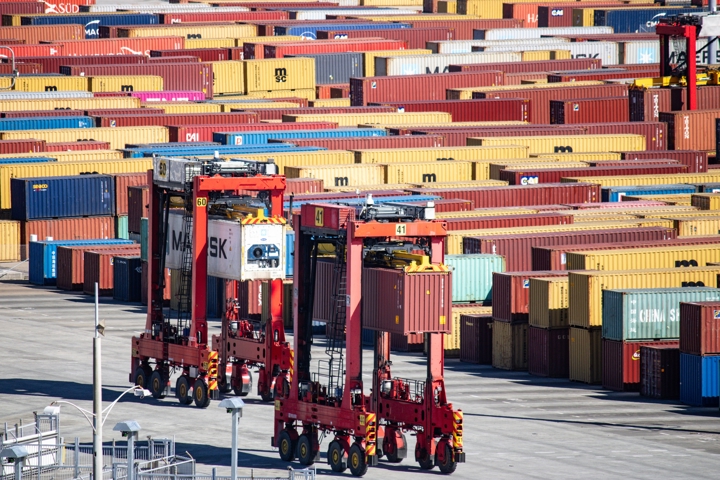
MG: As oil is a volatile commodity, the sector has evolved to universally apply a Bunker Adjustment Factor (BAF) to shipping loads – a surcharge that adds a levy for changing oil prices. Without this surcharge, carriers would face unmanageable price volatility and would constantly change base shipping rates to sustain profitability.
While freight carriers can weather rising oil prices through BAFs, price-demand sensitivity rises at each level of the supply chain. Rising freight prices may reach a point where they inhibit downstream demand for freight, incentivising carriers to do all that they can to minimise oil price exposure.
To reduce exposure to oil prices, freighters could shift to slow steaming, a technique that slows ships to optimise fuel consumption. While this cuts back the sector's reliance on fuel, it trades costs for efficiency, leading to longer delivery times.
While shipping delays could riddle downstream retailers and wholesalers, they open a niche window for logistics services to raise pricing. Delayed shipping lifts inventory management and warehouse complexity. At the same time, domestic exporters could rush to the ports to secure warehouse space needed to store produce for longer periods between shipments. This opens the door for freight forwarders and logistics management services to boost their service pricing.
AS: Facing soaring input costs, farmers are reckoning with difficult decisions. Some are scaling back winter plantings, others are switching to lower-fertiliser crops like pulses, and a small share may defer production to the summer season in hopes that supply chains stabilise before then. The Federal Government has modified the border process for imported fertiliser to streamline access to producers in light of the crisis, while also establishing a Fertiliser Supply Working Group with industry organisations like Fertilizer Australia and the National Farmers Federation. The government is also attempting to moderate supply constraints by diversifying urea and fertiliser imports from South-East Asia.
Public support in securing fertiliser supply will provide some relief as domestic agricultural producers remain highly reliant on nitrogen-based fertilisers. The Federal Government has secured about one-fifth of the fertiliser needed for the winter season, helping ease supply constraints. While there’s no substitute for urea, making the most of limited supplies by using complementary products will help current stocks last longer until shipments arrive. In the short term, as airspace restrictions and freight disruptions continue across the Middle East, domestic agricultural produce and livestock exports will benefit from being rerouted to other markets.
MR: Banks are stress-testing their portfolios for higher fuel costs and weaker economic growth. Some banks have already begun to offer hardship support to customers hit by the rising cost of fuel. Westpac, the second-largest loan provider in Australia, has announced a 10-basis-point loan impairment charge in recognition of the likelihood of higher defaults. This highlights that despite the strong capital integrity, they’re not immune to the effects of an extended squeeze on household and business finances.
Superannuation funds have a long-term focus, but they’ll be monitoring the situation and evaluating the make-up of their investments. High allocations to energy-intensive sectors are being hit by surging energy costs, while growth stocks remain sensitive to rising interest rates, and property or infrastructure assets rely on lower financing costs and stable trade flows. The longer the uncertainty remains, super funds may look to invest more heavily in defensive assets like fixed income and cash, and will also look to sectors less impacted by rising energy costs.
NL: Mining firms are primarily adopting tactical rather than transformative responses to the crisis, like cost control, portfolio positioning and price hedging through their trading desks – all practices they would pursue even if the conflict had never begun. Companies with diverse portfolios will be able to pivot towards scaling up capital allocation into commodities that are well-placed to prosper in the wake of the current conflict, like lithium, critical minerals, gold and silver.
Who Pays the Price?
Who ultimately bears the cost of instability in your sector – businesses, consumers or the Australian taxpayer?
AL: Fuel retailers and wholesalers largely pass on rising input costs to consumers and businesses, so their customers are likely to bear the brunt of elevated global crude oil prices. Independent fuel wholesalers and retailers may be significantly impacted if supply conditions worsen and develop into an absolute shortage. These companies may have to rely on government intervention to ensure that vertically integrated fuel companies continue to sell them imported or domestically refined fuel products, if a shortage develops.
Natural gas producers are likely to benefit from rising prices but may face increased regulatory scrutiny if domestic gas prices surge and their margins soar amid higher export prices. While domestic customers have, so far, not experienced a spike in natural gas prices in response to the Middle East conflict, domestic prices are expected to rise in the coming months.
MG: Australia’s reliance on international trade offers freight services and logistics providers considerable leverage over their customers. From 2021-22, geopolitical tensions between Russia and Ukraine similarly riddled global oil markets, leading crude oil prices to leap to a decade high of over US$116 per barrel by May 2022. Amid cost pressures, ABS producer price output data showed that water freight transporters managed to pass on rising oil prices to downstream markets, lifting output costs by 125% during 2021-22.
Australia’s leading exporters, like BHP and Fortescue Metals, were relatively insulated from freight cost pressures at the time. During 2021-22 and 2022-23, China’s economy was undergoing a construction boom, helping exporters to pass on heightened shipping costs to foreign consumers. However, this luck could fade during the latest oil price crisis, as the same Asian economies that insulated trade demand during 2021-22 and 2022-23 are now facing supply-side constraints.
Asia sources a majority of its oil through the Strait of Hormuz. As oil prices rise and supply becomes scarce, foreign manufacturers and developers could scale back demand for Australian-sourced materials, eroding exports.
In import markets, consumers could end up bearing the brunt of rising shipping and trade costs. Freight is an essential input of the Australian supply chain. Wholesalers and retailers embed delivery costs in end prices, handing them down the supply chain until they strip the pockets of already cash-strapped consumers.
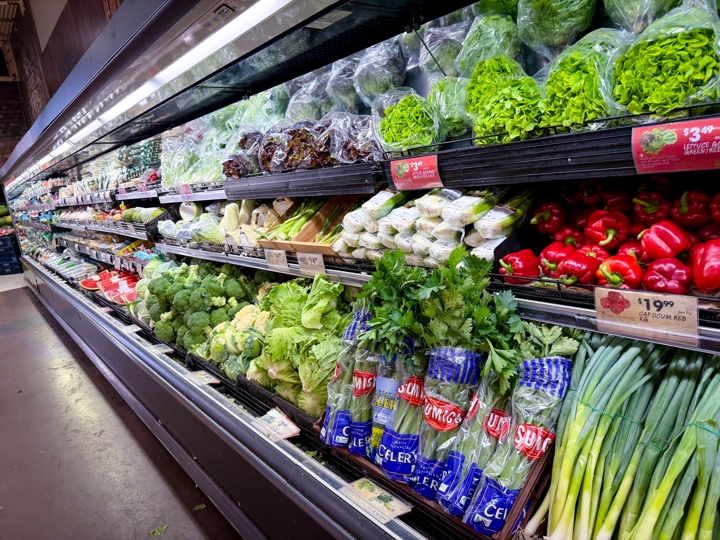
AS: The conflict in the Middle East is squeezing already slim profit in the overall agricultural sector, with losses on the horizon if the crisis persists. Fruit and vegetable growers, in particular, tend to be price-takers, with the oligopolistic supermarket industry having significant monopsony power when buying fresh produce, according to a 2024-25 ACCC inquiry. At the same time, the conflict is inflating fuel and transportation costs, which, combined with other rising operational expenses, businesses across the agricultural sector can't absorb.
Consumers will likely face higher costs over the coming months. This has more to do with fuel and transport costs increasing than growers passing on rising fertiliser or other input costs. Even if urea shortages are resolved, consumers are likely to see food costs accelerate, as rising fuel prices at every step of the distribution chain compound. These cost burdens will intensify if other businesses across the supply chain, like supermarkets, don’t absorb a share of the mounting costs. AUSVEG has called for equitable cost-sharing among participants in agricultural supply chains.
MR: Instability in the financial sector hits both households and businesses, and will, through downstream effects and government intervention, be felt by the taxpayer. Higher prices, rising interest rates and the impact on super balances are borne directly by households. Spending power is reduced by higher costs across the economy set off by rising fuel prices, while increasing mortgage repayments further tighten household budgets. Those approaching retirement are particularly exposed to falls in asset values, which can reduce the value of their savings in superannuation.
Weaker demand from households means businesses will have to absorb more of the higher input costs. Businesses also face higher borrowing costs, with banks passing on increases in the cash rate. This will lead to lower profit margins and may discourage hiring or even lead to a rise in bankruptcies. Banks and other lenders face rising loan defaults, and underperforming super funds will have to merge with more successful ones.
Taxpayers bear the cost more indirectly but more materially over time. This depends on the scale of the relief provided. Governments have already introduced temporary measures like fuel excise cuts and free public transport. This ultimately hits government budgets, and rising deficits leave taxpayers shouldering higher debt burdens.
NL: At this stage, it’s primarily businesses that are bearing the cost of instability in the mining sector, through higher prices for fuel, logistics and crucial just-in-time inputs that mines must import from abroad, typically by sea. In the short to medium term, the burden of instability will broaden to encompass the taxpayer through reduced state and federal take caused by potentially falling iron ore and coking coal prices and demand. It’s important to note that solid forecasts of the future per-tonne prices of these commodities are difficult to ascertain, as evidenced by the Office of the Chief Economist delaying the release of the March 2026 Resources and Energy Quarterly report.
The Long Game
If the situation remains unresolved for the next three to five years, what does that mean for the long-term future of your sector in Australia?
AL: The conversation around Australian fuel security and its relationship with natural gas producers has moved to the forefront amid the ongoing Middle East conflict. The longer it continues, the more likely it is that the Australian Government will consider substantive policy changes to secure Australia’s fuel and energy supplies and reduce pricing pressure.
A short-term crisis would likely see ongoing financial support to the two remaining refineries in Australia, a temporary reduction in fuel excises and soft pressure on natural gas producers to limit price increases. A longer crisis would bring more costly options into the discussion, including reopening Australia’s refineries, a push towards increased electrification and reduced reliance on fuel products, and greater restrictions on natural gas producers to ensure domestic supply and restrain price increases.
The natural gas industry is already under severe political scrutiny, facing the prospect of both higher taxes and regulated gas reservation policies. It’s hard to imagine this not intensifying if domestic natural gas prices rise and stay elevated over the long term.
The cost of reopening domestic refining capacity may be too tall an order in response to a short-term crisis, but political pressure to move in this direction may rise if fuel prices remain high over the next five years, particularly if Australia enters a recession and cost-of-living pressures mount.
Additionally, the crisis could provide added impetus to a transition towards renewable energy and electrified transport to limit reliance on petroleum products, reducing domestic demand for the sector. However, a shift to renewables is not likely a short-term fix and may face significant political obstruction amid ongoing green energy scepticism and perceptions that it increases energy and fuel costs rather than reduces them.
MG: Prolonged conflict between Iran and the United States could result in a situation in which the East becomes increasingly frustrated with the West, fragmenting global trade. While the United States boasts substantial sovereign capacity to source and refine oil, many Asian economies, including China, rely on the Strait of Hormuz to import oil and natural gas. According to the US Energy Information Administration, in 2024, 84% of the crude oil and 83% of the liquefied natural gas (LNG) transported through the Strait of Hormuz were bound for Asia. Prolonged interference could escalate tensions between the United States and China, prompting a new wave of passive-aggressive politics.
East-West tensions trap Australia in a tight spot, as it aims to foster strong relationships with both its major defence ally, the United States, and its leading trade partner, China. Fuel supply constraints and fragmented global supply chains could undermine the East's capacity to sustain manufacturing margins or drive economic development, curbing demand for Australia’s resource-rich exports.
Australia could be particularly exposed to fragmented international trade, as over the long term, it has pooled investment into healthcare, education, mining and the financial services sector. While this service-based economy has promoted education and built wealth, it's also boosted average wages, pricing domestic manufacturing industries out of reach. This limits Australia’s capacity to build sovereign manufacturing capacity to cut back exposure to pricey international trade.
If tensions escalate over the next three to five years, Australia is set to suffer a prolonged period of trade-induced inflation, as retailers, wholesalers and consumers continue to import Asian products at inflated prices. In this environment, monetary and fiscal policymakers have limited ability to control inflation.
As inflation riddles the economy, real wealth could tumble as constrained demand for iron ore, copper and other critical materials curbs trade exports. Reduced foreign revenue streams could trap the domestic economy in a period of low GDP growth and falling real wealth.
AS: The current conflict has highlighted the importance of diversifying fertiliser supply to reduce vulnerability to global market shocks. While domestic reliance on urea manufactured overseas will decrease as the new plant in Western Australia starts production in 2027, imports will continue to meet a significant share of domestic demand. If exposure to international oil and gas markets persists, production at this facility will be affected, limiting prospective domestic urea production.
A prolonged conflict is likely to accelerate the diversification of fertiliser supply away from the Middle East to neighbouring South-East Asian economies like Indonesia, Brunei and Malaysia, as evidenced by the recent agreement. Instead of simply shifting risk from one region to another, public policy is expected to encourage multiple fertiliser import origins. An unresolved situation may also lead agricultural exporters to diversify into other countries, which can prove challenging for meat or vegetable industries that have built strong consumer bases in Gulf nations.
MR: If the situation remains unresolved, fuel prices will remain elevated. This will place upwards pressure on the consumer price index more broadly and will keep interest rates at a higher level for longer. In this environment, financial markets will remain on edge, with ongoing volatility harming consumer and business confidence, dampening investment and economic growth. For banks and other financial institutions, this means higher funding costs, a weaker balance sheet and slower credit growth.
A drawn-out conflict would mean uncertainty over asset values across equities, property and infrastructure, weighing on member returns. Superannuation fund managers would need to re-examine their asset allocation strategies, diversification and liquidity settings to manage a more volatile, lower-return environment. Some investors respond to lower returns by seeking greater control over their investments through self-managed super funds, while others may prefer the scale and professional management of large funds.
NL: If the Middle East conflict were to continue for the next three to five years and safe passage through the Strait of Hormuz remained uncertain, we would see a dramatic shift in the makeup of the mining sector's revenue streams. Minerals and metals crucial to the energy transition – whether for generation, like copper, bauxite and rare earth elements such as neodymium, or for storage, like lithium, nickel and cobalt – would all experience strong price appreciation as more countries around the world look to move away from oil and other globally traded forms of energy.
Although iron ore and coking coal would remain crucial to the global economy, the desire to strengthen energy sovereignty would bolster demand for green energy generation, broadening the sector's revenue base and diversifying the export ledger. It’s likely that this evolution in downstream revenue sources would fail to shake up the companies that derive the greatest revenue share in the sector, as the incumbent mega-cap miners will be best positioned to expand into new minerals or simply acquire established projects targeting coal, iron ore and gold.
Final Word
The Middle East conflict hasn't broken any Australian sector, but it has stress-tested the assumptions underpinning Australia's open, trade-reliant economy. Fuel retailers depend on Asian refineries, farmers depend on Gulf fertiliser shipments, banks depend on stable interest rates, and miners depend on Chinese construction demand. When the Strait of Hormuz tightened, all four pressure points showed up at once. So far, the system is holding, but the response has leaned heavily on government relief, supply diplomacy and cost pass-throughs. These measures have kept the economy moving, but they're temporary fixes to longer-term vulnerabilities. The picture underneath is one of an economy that has spent two decades trading sovereign capacity for cheaper imports and is now confronting the bill.
If the conflict continues, the harder questions will move up the agenda: whether to reopen domestic refining capacity, how quickly the new Western Australian urea plant can scale, whether gas reservation policy becomes law, and how far the mining sector can pivot toward critical minerals. For Australian businesses, the prudent stance is to plan for elevated input costs and trade-route volatility well beyond the headlines, and to treat the current crisis not as an aberration to be weathered, but as a preview of the more fragmented global economy that's likely coming regardless.