
IBISWorld Platform
Answer any industry question in minutes with our entire database at your fingertips.

IBISWorld forecasts the work accident rate to rise to 10.3 per 1,000 employees in 2025-26, a 1.0% increase from 2024-25. The near-term uptick is driven primarily by rising mental health claims. Compensation claims for mental health conditions have surged over the past decade and Safe Work Australia data confirms that mental health conditions now account for 12% of all serious claims. These claims carry a disproportionate burden: median time off work for psychological injuries substantially exceeds that physical injuries and return-to-work rates are materially lower. Victoria's introduction of revised psychological injury claims thresholds in December 2025, lowering the eligibility bar, is expected to lift claim lodgment volumes in 2025-26, even where underlying workplace conditions remain unchanged.Despite this upwards pressure, structural improvements continue to weigh on the overall rate, causing a slight drop in the number of claims over the past five years. Recent data from Safe Work Australia indicates meaningful safety gains across the mining, manufacturing, transport, postal and warehousing sectors that have undergone significant automation, reducing workers' direct physical interaction with heavy machinery. In contrast, incidence rates increased in accommodation and food services, retail trade and heavy civil engineering construction, where a broader recovery in activity levels, combined with inherently difficult-to-automate work processes, led to a higher frequency of workplace injuries.There is a higher incidence of compensation claims among male workers than female workers, with rates of 12.5 and 9.2 per 1,000 employees, respectively. This reflects the concentration of male employment in physically demanding industries, particularly construction. However, this gap has been gradually narrowing since 2000-01, when male and female incidence rates stood at 20.9 and 11.0 per 1,000, respectively. Among serious claims, women record a slightly higher median time lost (7.7 working weeks) than men (7.2 weeks). Yet, median compensation paid to male claimants ($17,600) exceeds that paid to female claimants ($14,600) by approximately one-fifth, reflecting differences in the nature and industry context of injuries sustained by each group.The Agriculture, Forestry and Fishing division continues to record the highest accident rate of all sectors, with an incidence rate of 18.8 per 1,000 workers in 2023-24, down from 20.9 in 2022-23. Manual, machine-related and outdoor working conditions expose workers in this division to muscular, joint and ligament injuries, lacerations and heat-related stress during the summer months. The highest claim rate for any demographic is among males aged 55-64, at 17.0 per 1,000 employees, likely reflecting greater susceptibility to injury among workers who remain in physically demanding roles despite declining physical capacity. Female accident claims also peak in the 55-64 age cohort, at 13.8 per 1,000 employees, which is a pattern consistent with an ageing workforce remaining active in moderate-risk occupations. Overall, IBISWorld forecasts the work accident rate to decline at an annualised 0.4% over the five years through 2025-26, reflecting continued improvements in workplace safety across all industries.
Curious about what drives these trends? IBISWorld's analyst coverage on the work accident rate per 1,000 employees includes detailled analysis on the current performance, outlook and industries affected.
2001-2033
This report analyses the accident rate in Australian workplaces. This is measured by the number of compensation claims for serious work-related injuries and illnesses per 1,000 workers. These claims include deaths, permanent incapacity, or temporary incapacity resulting in an absence from work for at least one working week. The data for this report is sourced from Safe Work Australia and is measured in serious work-related injury claims per 1,000 workers over each financial year.
IBISWorld Industry Reports are available in multiple formats to fit seamlessly into your workflow.
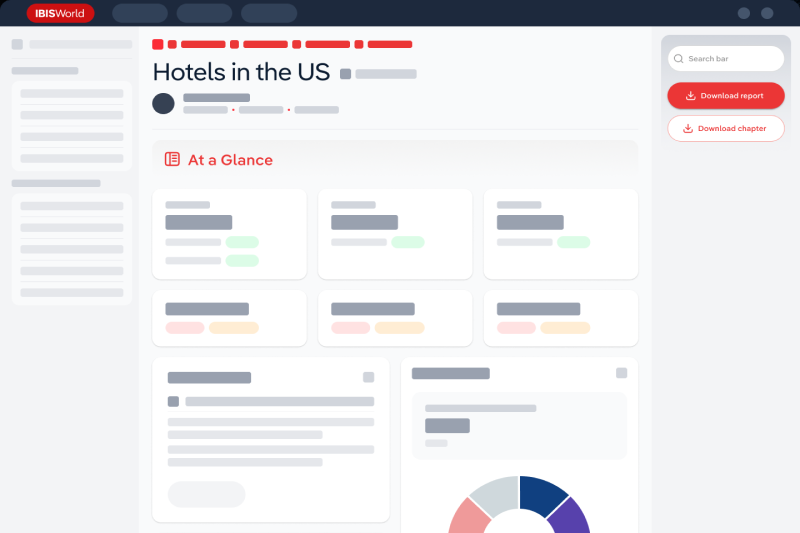
Answer any industry question in minutes with our entire database at your fingertips.
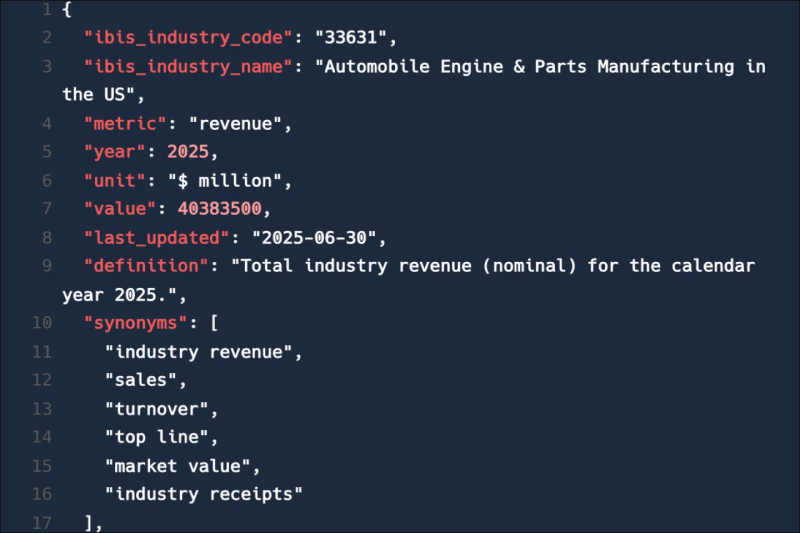
Feed trusted, human-driven industry intelligence straight into your platform.
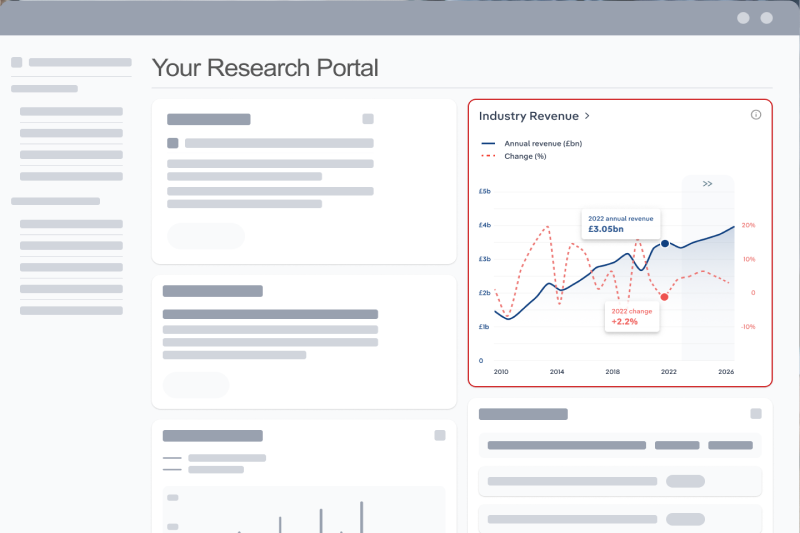
Streamline your workflow with IBISWorld’s intelligence built into your toolkit.
Explore industries with similar markets, supply chains, and economic drivers to gain broader context and insights.
| Industry | Country | Last 5-yr CAGR | Forecast 5-year CAGR | Revenue |
|---|---|---|---|---|
| Occupational Health and Safety Services in Australia |

|
XX% | XX% | $XX |
| Personal and Workplace Injury Lawyers in Australia |
|
XX% | XX% | $XX |
| Litigation Funding in Australia |
|
XX% | XX% | $XX |
| Personal Legal Services in Australia |
|
XX% | XX% | $XX |
| Employee Assistance Program Services in Australia |
|
XX% | XX% | $XX |
| Employers' Liability Insurance in Australia |
|
XX% | XX% | $XX |
| Safety Equipment and Supplies Distributors in Australia |
|
XX% | XX% | $XX |
| Chiropractic and Osteopathic Services in Australia |
|
XX% | XX% | $XX |
When the stakes are high, you need intelligence that cuts through the noise—wherever you work.
The work accident rate per 1,000 employees in Australia in 2026 was 10.3 units.
The work accident rate per 1,000 employees in Australia declined by -0.38% in 2026.
IBISWorld’s data and analysis on work accident rate per 1,000 employees in Australia includes forecasted growth rates over the next five years.