IBISWorld Platform
Answer any industry question in minutes with our entire database at your fingertips.

IBISWorld forecasts the trade-weighted index to climb by 4.4% in 2025-26, to 63.4 index points. The strong rebound in the trade-weighted index has been driven by the appreciation of the Australian dollar against its major trading partners, particularly the US dollar and Japanese yen. Persistent inflation pressures, fuelled by steady wage growth and low unemployment, have encouraged the RBA to maintain a strict monetary policy, keeping rates high relative to other central banks, like the US Federal Reserve, which has already begun rate-cutting cycles. While US interest rates appear to be on a clear easing path during 2025-26, the Reserve Bank of Australia raised the cash rate in February, March and May 2026. This divergence is expected to boost demand for the Australian dollar, pushing the exchange rate higher. Elevated prices for energy and metals have supported Australia's export revenues and dollar through the year.The trade-weighted index has exhibited volatility over the five years from 2020-21 to 2025-26, with the index declining for most of the period before recovering sharply in the final year.The slowdown of the Chinese economy has weighed on the Australian dollar over the past five years. Demand conditions for Australian exports have been volatile, as heightened trade tensions between the US and China, alongside property-sector challenges in China have added to the uncertainty of the Chinese economy. As China significantly influences Australia's resource exports, economic downturns in China, particularly in its property sector, negatively impact demand for exports like iron ore and coal and the flow of foreign investment in sectors like resources and tourism, contributing to declines in the trade-weighted index. Still, sustained demand from Europe, Japan and emerging Asian economies like India have prevented further decline.Over the past five years, the Australian dollar has notably depreciated against the US dollar before rebounding during 2025-26, limiting growth in the trade-weighted index. The US Federal Funds rate rose beyond the RBA cash rate after a quick post-pandemic economic recovery caused persistent high inflation. This made the Australian dollar less appealing, causing it to depreciate, especially against the US dollar. Substantial increases in the Australian dollar relative to the Japanese yen due to the weakness of the yen have fuelled growth in the trade-weighted index. Overall, IBISWorld forecasts the trade-weighted index to rise at a compound annual rate of 0.3% over the five years through 2025-26, primarily driven by the sharp increase seen during 2025-26.
Curious about what drives these trends? IBISWorld's analyst coverage on the trade-weighted index includes detailled analysis on the current performance, outlook and industries affected.
1971-2033
This report analyses Australia's trade-weighted index (TWI), which represents the value of the Australian dollar compared with a basket of currencies of Australia's major trading partners. The basket is weighted according to the share of trade conducted with each country. Weights are recalculated annually and come into effect starting from 1st December each year. However, the most recent weights for 2026 were released later than usual, on the 7th January 2026. The five currencies with the largest weights are the Chinese renminbi (27.6%), the US dollar (13.4%), the Japanese yen (9.0%), the Euro (8.5%) and the South Korean won (5.6%). Some of the currencies in the TWI basket are pegged to the US dollar, which gives the US dollar a larger implicit weighting. The data for this report is sourced from the Reserve Bank of Australia (RBA) and is presented as an average index over the financial year, where the base of 100 is equal to the TWI in May 1970.
IBISWorld Industry Reports are available in multiple formats to fit seamlessly into your workflow.

Answer any industry question in minutes with our entire database at your fingertips.
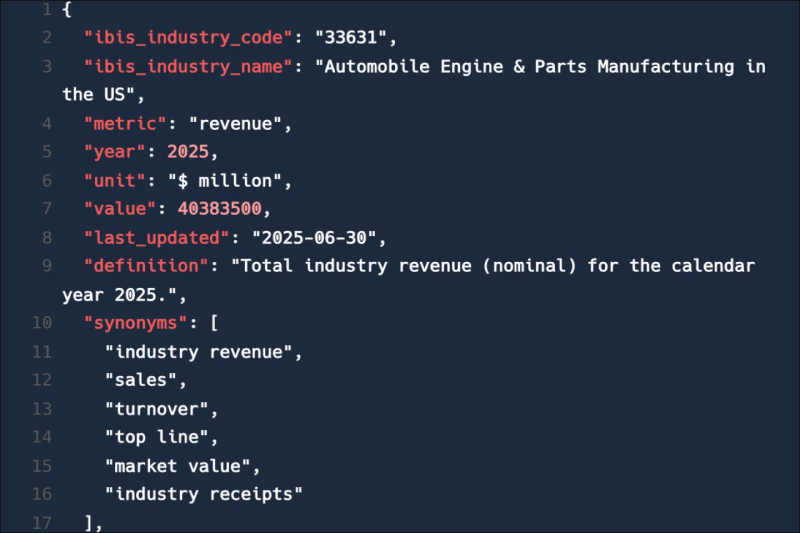
Feed trusted, human-driven industry intelligence straight into your platform.
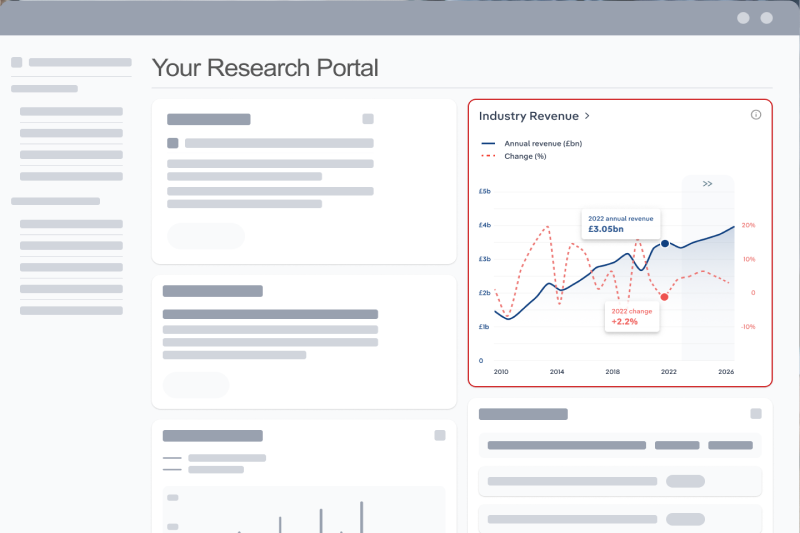
Streamline your workflow with IBISWorld’s intelligence built into your toolkit.
Explore industries with similar markets, supply chains, and economic drivers to gain broader context and insights.
When the stakes are high, you need intelligence that cuts through the noise—wherever you work.
The trade-weighted index in Australia in 2026 was 63.4 index points.
The trade-weighted index in Australia grew by 0.25% in 2026.
IBISWorld’s data and analysis on trade-weighted index in Australia includes forecasted growth rates over the next five years.