IBISWorld Platform
Answer any industry question in minutes with our entire database at your fingertips.

IBISWorld forecasts that the total number of part-time employees in the labour force will rise by 1.6% in 2025-26, to an average of 4.57 million people over the year, a slowdown from the 3.0% increase seen during 2024-2025. Growth will be driven by expansions in service-oriented sectors like healthcare, social assistance, and hospitality, which traditionally feature a high proportion of part-time roles. The part-time share of total employment has held steady at 31.0% in 2024-25 and 2025-26.Female part-time workers represent the majority of the part-time workforce, as they're more likely to balance childcare and housework with paid work than men. However, the proportion of part-time workers who are female has decreased over the past five years, as many women have transitioned to full-time roles. This continues the long-term trend of a gradually falling female share of the part-time labour force. According to the latest available data from the ABS, females accounted for 66.61% of the part-time employees in October 2025. As a result, part-time employment is typically driven by the growing number of females in the labour force and overall population growth.The total number of part-time employees in the labour force has increased over the past five years. However, after decades of steady increases in the part-time employment share, the share of total employees who are part-time has declined from a peak of 31.8% in 2020-21 to 31.0% in 2025-26. This temporary decrease in rates is primarily due to the effects of the pandemic, which propelled part-time rates to higher levels. As the economy gradually recovered, more people transitioned from part-time to full-time roles, pushing the part-time share to a decade low of 30.2% in 2022-23. To be considered a part-time employee, a person cannot work more than 35 hours per week. The percentage of employees working part-time has risen from 15.5% of total employment in 1978-79 to an estimated 31.0% in 2025-26. A shift towards the casualisation of the workforce, growing migration and the increasing prevalence of the gig economy have accelerated this trend. Overall, IBISWorld forecasts that the total number of part-time employees in the labour force will increase by a compound annual rate of 2.3% over the five years through 2025-26.
Curious about what drives these trends? IBISWorld's analyst coverage on the total part-time employees in the labour force includes detailled analysis on the current performance, outlook and industries affected.
1979-2033
This report analyses trends in the total number of workers employed on a part-time basis in Australia. Part-time workers are defined as employed persons who work less than 35 hours per week. The data for this report is sourced from the Australian Bureau of Statistics (ABS) and is seasonally adjusted. Data is presented in financial years and is an average of monthly statistics.
IBISWorld Industry Reports are available in multiple formats to fit seamlessly into your workflow.

Answer any industry question in minutes with our entire database at your fingertips.
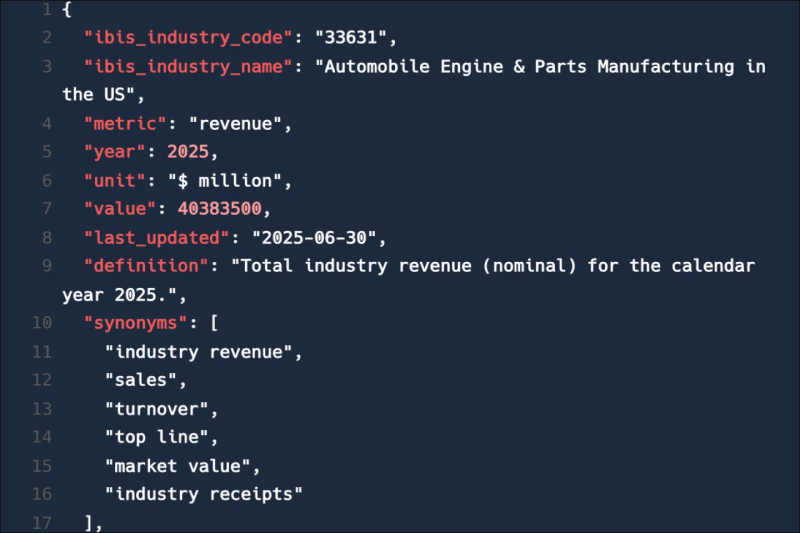
Feed trusted, human-driven industry intelligence straight into your platform.
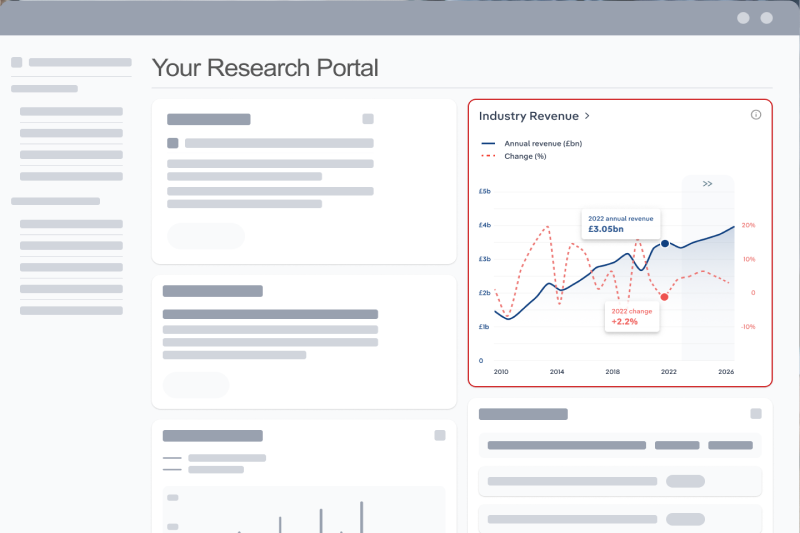
Streamline your workflow with IBISWorld’s intelligence built into your toolkit.
Explore industries with similar markets, supply chains, and economic drivers to gain broader context and insights.
| Industry | Country | Last 5-yr CAGR | Forecast 5-year CAGR | Revenue |
|---|---|---|---|---|
| Employment Placement and Recruitment Services in Australia |

|
XX% | XX% | $XX |
| Online Recruitment Services in Australia |
|
XX% | XX% | $XX |
When the stakes are high, you need intelligence that cuts through the noise—wherever you work.
The total part-time employees in the labour force in Australia in 2026 was 4.57 millions of people.
The total part-time employees in the labour force in Australia grew by 2.34% in 2026.
IBISWorld’s data and analysis on total part-time employees in the labour force in Australia includes forecasted growth rates over the next five years.