
IBISWorld Platform
Answer any industry question in minutes with our entire database at your fingertips.

IBISWorld forecasts the number of non-manual employees to increase by 1.2% in 2025-26, to an average of 10.62 million people over the year. Australia's underlying population growth trends, which tend to drive a positive growth trend in the number of participants in the labour force, are expected to push up the number of non-manual employees in 2025-26. Positive net migration is also likely to contribute to expansions in the aggregate number of white-collar employees. However, growth in the unemployment rate in 2025-26 is expected to offset some of the population-driven growth, resulting in a growth rate for non-manual employees that is well below the average seen over the past decade.Over the past decade, manual employment has exhibited sluggish growth, while non-manual employment has grown at a rate beyond that of population growth. Manual jobs have been threatened by offshoring to low-wage countries, competition against imported goods from those countries and increased automation in production processes. These threats have not affected non-manual employees to the same extent due to Australia's competitive advantage in professional industries, which require highly educated employees who are less abundant in low-cost countries. As a result, the share of non-manual workers in the labour force has increased from 70.0% in 2015-16 to an estimated 71.9% in 2025-26.The greatest threat to non-manual employees is in sales work. Growth in the number of workers in this segment has slowed considerably over the past five years, with the increasing popularity of online shopping leading to many bricks-and-mortar retailers cutting back their labour inputs in favour of capital expenditure. In 2024-25, the number of sales workers reached an all-time high level of 1.13 million, according to the ABS, eclipsing the previous mark set in 2017-18. While reaching an all time high level may seem promising on the surface, the percentage of sales workers as a share of all non-manual workers has decreased from 13.0% to 10.8% between the two record-setting years, indicating that the current growth has been driven by growth in the size of the labour force rather than an increase in the productivity of sales workers.The Australian economy has increasingly become a service- and knowledge-based economy, with Australian workers holding positions that, compared to foreign workers, typically require higher education and cultural familiarity within Australia, often translating to non-manual employment. The growth in non-manual employment, particularly in comparison with manual employment, is also driven by Australia's ageing population. The composition of retiring workers is skewed towards manual employment, as retirees generally acquired their skills during an era when manual employment was more prevalent than non-manual employment. Furthermore, older workers who have not yet retired are often unable to continue performing manual labour and instead move into non-manual roles. Additionally, Australia's ageing population has boosted demand for medical and aged care professionals, contributing to the increase in non-manual workers. Overall, IBISWorld forecasts the total number of non-manual employees to grow at a compound annual rate of 3.0% over the five years through 2025-26.
Curious about what drives these trends? IBISWorld's analyst coverage on the total number of non-manual employees in the workforce includes detailled analysis on the current performance, outlook and industries affected.
1987-2032
This report analyses the total number of non-manual employees in Australia. This is measured by the number of: managers; professionals; community and personal service workers; clerical and administrative workers; and sales workers. The total includes both part-time and full-time employees and is an average of quarterly data over each year through August. The data for this report is sourced from the Australian Bureau of Statistics and is measured in millions of employed persons.
IBISWorld Industry Reports are available in multiple formats to fit seamlessly into your workflow.

Answer any industry question in minutes with our entire database at your fingertips.
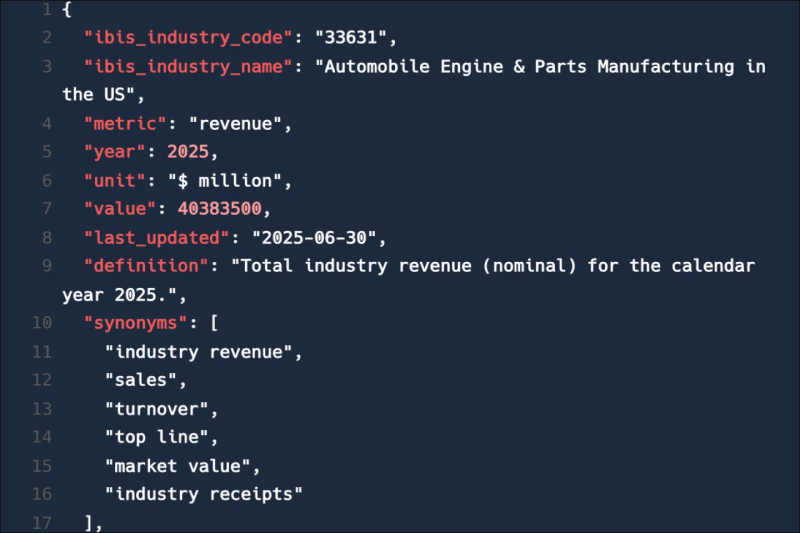
Feed trusted, human-driven industry intelligence straight into your platform.
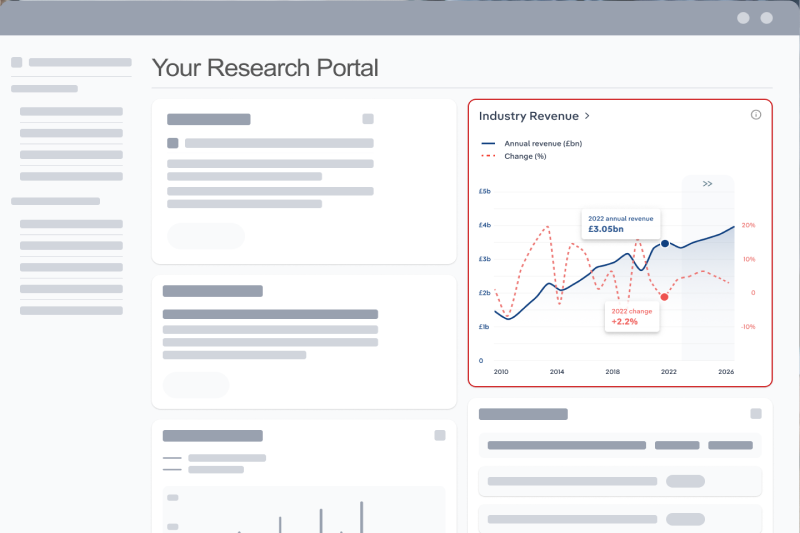
Streamline your workflow with IBISWorld’s intelligence built into your toolkit.
Explore industries with similar markets, supply chains, and economic drivers to gain broader context and insights.
| Industry | Country | Last 5-yr CAGR | Forecast 5-year CAGR | Revenue |
|---|---|---|---|---|
| Cowork Space in Australia |

|
XX% | XX% | $XX |
| Office Property Operators in Australia |
|
XX% | XX% | $XX |
| Office Property Operators in Australia |
|
XX% | XX% | $XX |
| Corporate Wellness Services in Australia |
|
XX% | XX% | $XX |
| Formal Menswear Retailing in Australia |
|
XX% | XX% | $XX |
| Watch and Jewellery Retailing in Australia |
|
XX% | XX% | $XX |
| Employers' Liability Insurance in Australia |
|
XX% | XX% | $XX |
| Personal and Workplace Injury Lawyers in Australia |
|
XX% | XX% | $XX |
When the stakes are high, you need intelligence that cuts through the noise—wherever you work.
The total number of non-manual employees in the workforce in Australia in 2026 was 10.68 millions of people.
The total number of non-manual employees in the workforce in Australia grew by 3.12% in 2026.
IBISWorld’s data and analysis on total number of non-manual employees in the workforce in Australia includes forecasted growth rates over the next five years.