IBISWorld Platform
Answer any industry question in minutes with our entire database at your fingertips.

IBISWorld forecasts that total alcohol consumption will expand by 1.9% in 2026-27 to 227.6 megalitres. A growing population, which inflates the number of adults of drinking age within the country, is a primary driver of this growth. Growth in the number of international tourist nights, driven by a strong interest from travellers combining business and leisure in a singular trip, has supported alcohol consumption, somewhat offsetting indications that younger Australians have a reduced appetite for drinking compared to older generations.Changes to alcohol taxation influence the composition of alcohol consumption. The current taxation system for alcohol is complex, with various tax rates applicable to alcoholic beverages. Beer and spirits are taxed depending on the type and alcoholic content of the product, while wine and cider are taxed based on their wholesale value. Notably, the Federal Government has increased the Wine Equalisation Tax (WET) producer rebate cap from $350,000 to $400,000 per producer, effective 1 July 2026, as part of the 2025-26 Federal Budget's tax relief measures for alcohol manufacturers. This reverses some of the pricing pressure created by the 2018 rebate reduction (from $500,000 to $350,000), which had previously elevated prices for cask wine and private-label brands sold in supermarkets, at the expense of consumer demand. The new cap, paired with an equivalent increase to the excise remission scheme for brewers and distillers, is expected to provide modest relief to smaller wine, beer and spirits producers.The composition of alcoholic beverages consumed has not changed much in recent years. Full-strength beer remains the most popular way to consume alcohol per gram, followed by white wine, red wine and spirits, though beer's share of total volume has continued to decline while wine, spirits and other categories have gained ground. Wine remains the largest category of alcoholic drink by volume, accounting for around 42% of total alcohol consumed, followed by beer at 31% and spirits at 24%. Over the medium term, spirits and RTDs have grown as a share of total alcohol volume, even though their per-capita availability fell in the latest year. The number of craft distilleries has substantially increased, with demand for spirits distilled with native botanicals like pepper berry and lemon myrtle rising significantly, along with ingredients found in indigenous diets like green ants. The consumption of RTDs has continued to strengthen, with seltzers resonating with the demands of health-conscious consumers. In turn, spirit and RTD consumption is expected to exceed 20% of total volume in 2026-27. Overall, IBISWorld forecasts total alcohol consumption to inch upwards at a compound annual rate of roughly 0.1% over the five years through 2026-27.
Curious about what drives these trends? IBISWorld's analyst coverage on the total alcohol consumption includes detailled analysis on the current performance, outlook and industries affected.
1961-2034
This report analyses total alcohol consumption, including beer, wine, spirits, cider and ready-to-drink (RTD) beverages. Consumption is measured in megalitres of pure alcohol available for consumption. The data for this report is sourced from the Australian Bureau of Statistics and the Australian Institute of Health and Welfare and is reported in financial years.
IBISWorld Industry Reports are available in multiple formats to fit seamlessly into your workflow.
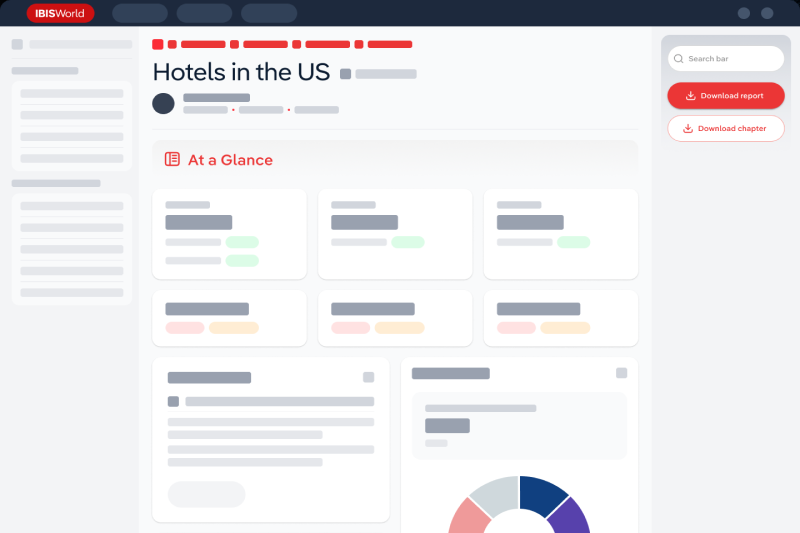
Answer any industry question in minutes with our entire database at your fingertips.
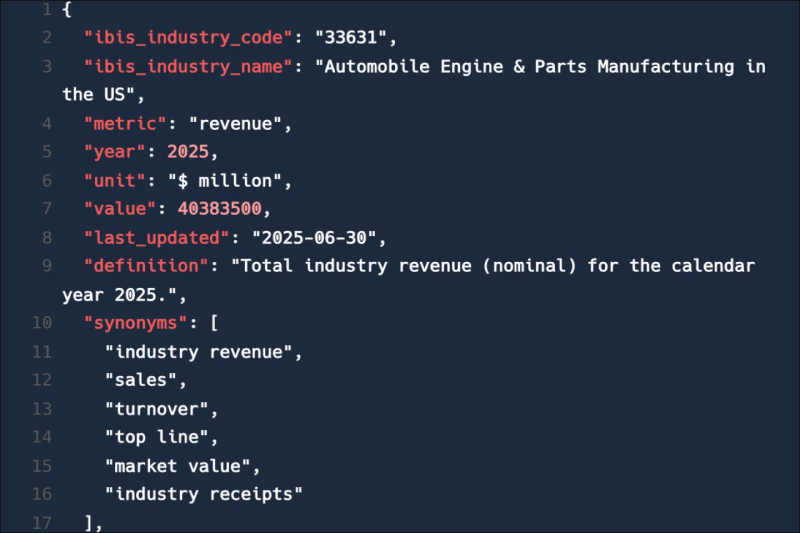
Feed trusted, human-driven industry intelligence straight into your platform.
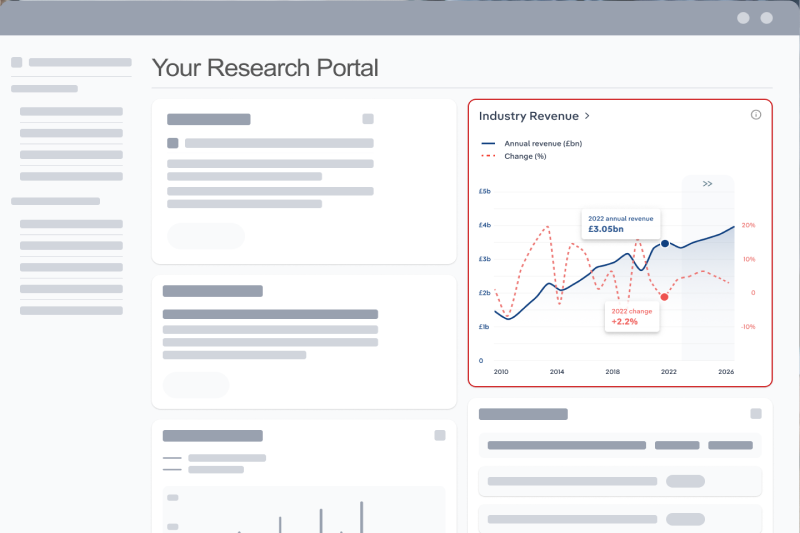
Streamline your workflow with IBISWorld’s intelligence built into your toolkit.
Explore industries with similar markets, supply chains, and economic drivers to gain broader context and insights.
| Industry | Country | Last 5-yr CAGR | Forecast 5-year CAGR | Revenue |
|---|---|---|---|---|
| Liquor Retailing in Australia |

|
XX% | XX% | $XX |
| Liquor Retailing in Australia |
|
XX% | XX% | $XX |
| Online Beer, Wine & Liquor Sales in Australia |
|
XX% | XX% | $XX |
| Wine Production in Australia |
|
XX% | XX% | $XX |
| Wine Production in Australia |
|
XX% | XX% | $XX |
When the stakes are high, you need intelligence that cuts through the noise—wherever you work.
The total alcohol consumption in Australia in 2027 was 227.6 megalitre.
The total alcohol consumption in Australia grew by 0.14% in 2027.
IBISWorld’s data and analysis on total alcohol consumption in Australia includes forecasted growth rates over the next five years.