
IBISWorld Platform
Answer any industry question in minutes with our entire database at your fingertips.

IBISWorld projects that per capita seafood consumption will inch downwards by 0.4% from 25.2 kilograms in 2024-25 to 25.1 kilograms in 2025-26. Cost remains a barrier for many consumers. According to a March 2024 joint report from the Aquaculture Stewardship Council (ASC) and Marine Stewardship Council (MSC), more than 40% of 1,023 nationally representative survey respondents say cost is the main barrier stopping them from eating more seafood. Even though disposable and discretionary incomes have risen and post-pandemic inflationary pressures have been subsiding since 2022-23, the price of seafood in Australia has steadily risen during this time, discouraging some people from consuming more seafood.Fin fish accounts for the largest share of total seafood consumption in Australia. Tuna, salmon and trout are some of the most frequently consumed varieties of fish. This is followed by crustaceans like prawns, lobster and crabs, and molluscs like scallops, oysters, squid, octopus and abalone. Over the past five years, Australians have been opting for fresh, premium options like king salmon, prawns and oysters, enjoying them as discretionary purchases and occasional treats. However, despite this shift towards more premium seafood products, the total value and volume of seafood consumed haven't changed significantly.Since 2020-21, rising health consciousness among consumers has encouraged consumers to add seafood to their diets, contributing to a a slight uptick in fish and seafood intake. Moreover, the production value of Australia's aquaculture has increased, supporting year-round supply and more consistent consumption across all states and territories. Demand from cafes, restaurants and takeaway food services has increased since the end of COVID-19 pandemic restrictions, heralding a stronger hospitality sector as people are eating out more. This renewed interest in eating out has supported steady seafood consumption through food service channel. Nonetheless, high seafood prices have tempered the positive effects from rising health consciousness and an expanding aquaculture. Overall, IBISWorld forecasts per capita seafood consumption to grow by a compound annual rate of 0.8% over the five years through 2025-26.
Curious about what drives these trends? IBISWorld's analyst coverage on the seafood consumption includes detailled analysis on the current performance, outlook and industries affected.
1991-2033
This report analyses Australia's apparent per capita seafood consumption, including fish, crustaceans and molluscs. The data has been sourced from the Agricultural Outlook report, prepared jointly by the Organisation for Economic Co-operation and Development (OECD) and the United Nations Food and Agriculture Organization (UN FAO). The original data is measured in kilograms per capita and presented in calendar years. However, this report converts the data into estimated Australian financial year figures.
IBISWorld Industry Reports are available in multiple formats to fit seamlessly into your workflow.

Answer any industry question in minutes with our entire database at your fingertips.
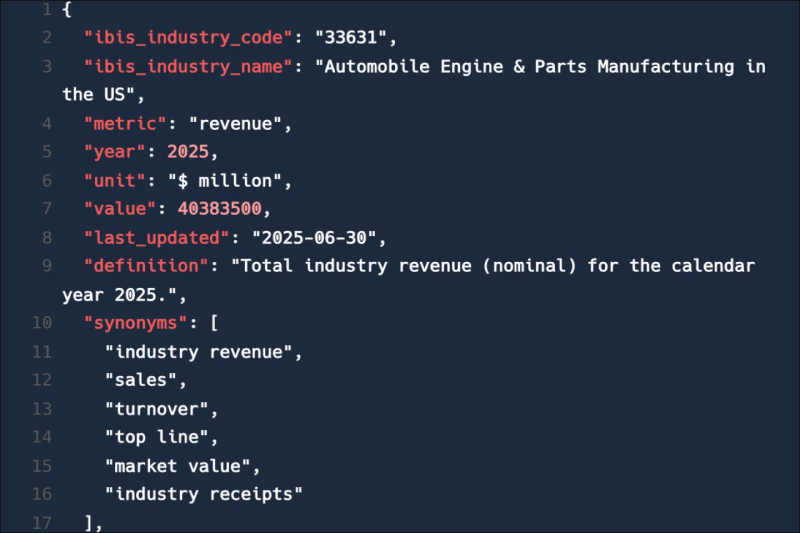
Feed trusted, human-driven industry intelligence straight into your platform.
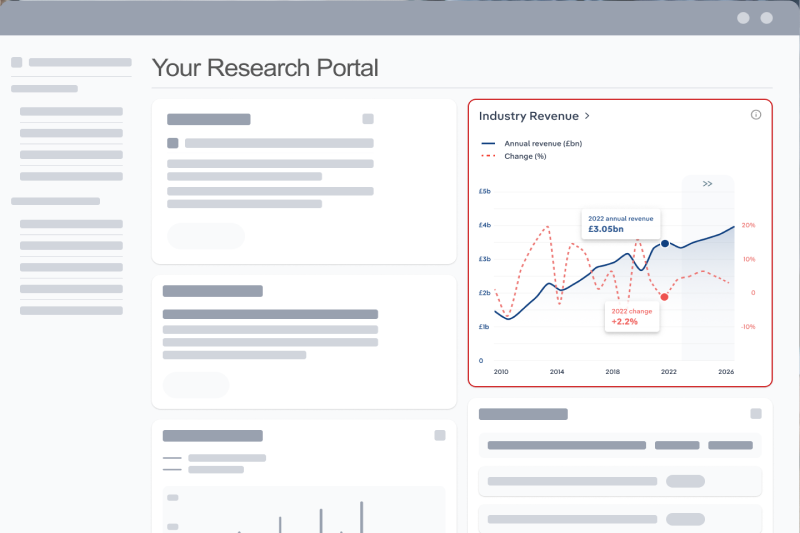
Streamline your workflow with IBISWorld’s intelligence built into your toolkit.
Explore industries with similar markets, supply chains, and economic drivers to gain broader context and insights.
| Industry | Country | Last 5-yr CAGR | Forecast 5-year CAGR | Revenue |
|---|---|---|---|---|
| Fish and Seafood Wholesaling in Australia |

|
XX% | XX% | $XX |
| Fish and Seafood Wholesaling in Australia |
|
XX% | XX% | $XX |
| Seafood Retailing in Australia |
|
XX% | XX% | $XX |
| Aquaculture in Australia |
|
XX% | XX% | $XX |
| Fish and Chip Shops in Australia |
|
XX% | XX% | $XX |
| Fishing in Australia |
|
XX% | XX% | $XX |
| Japanese Restaurants in Australia |
|
XX% | XX% | $XX |
| Seafood Processing in Australia |
|
XX% | XX% | $XX |
| Seafood Processing in Australia |
|
XX% | XX% | $XX |
| Fresh Meat, Fish and Poultry Retailing in Australia |
|
XX% | XX% | $XX |
| Fresh Meat, Fish and Poultry Retailing in Australia |
|
XX% | XX% | $XX |
When the stakes are high, you need intelligence that cuts through the noise—wherever you work.
The seafood consumption in Australia in 2026 was 25.1 kilograms per capita.
The seafood consumption in Australia grew by 0.82% in 2026.
IBISWorld’s data and analysis on seafood consumption in Australia includes forecasted growth rates over the next five years.