IBISWorld Platform
Answer any industry question in minutes with our entire database at your fingertips.

IBISWorld forecasts the ratio of interest payments to disposable income to rise by approximately 0.3 percentage points to 13.09% in 2025-26. The cash rate is a key factor in determining interest costs paid by households. While successive cash rate cuts in 2025 underpinned a decline of the ratio from a record high in 2023-24, the Reserve Bank of Australia as of November 2025 now expects that inflation in the Consumer Price Index will likely exceed the 3.0% target upper bound towards the end of 2025-26. This forecast has increased the likelihood of a cash rate hike at the beginning of 2025-26. Consequently, this possible hike will exert upwards pressure on the ratio. Nonetheless, the unemployment rate is expected to stabilise around 4.4%, while projected GDP growth and labour demand will support further gains in disposable income. As a result, modest economic expansion throughout 2025-26 will partially offset the positive pressure on the ratio exerted by an expected rate hike.The ratio of interest payments to disposable income has increased significantly over the past five years. The RBA introduced record-low interest rates in response to the COVID-19 pandemic to stimulate wider economic activity. Moreover, the low-interest-rate environment helped encourage households to take on more debt, as a record-low cash rate, which hit a low point of 0.1% kept interest repayments subdued. A surging residential property market also prompted more mortgage activity as residential real estate became an increasingly attractive investment. Despite intensifying household debt, a low cash rate environment helped reduce interest repayments as a proportion of disposable income over the pandemic.In 2022-23, the RBA increased the cash rate to tame out-of-control inflation. This impacted many individuals who had increased their debt liabilities during the pandemic, as interest repayments on outstanding debt skyrocketed. High inflation led to a growing cost of living, causing a contraction of household disposable incomes. Rising interest payments and a contraction in disposable income caused a spike in the ratio of interest payments to disposable income in 2022-23 and 2023-24. However, once inflation was brought under control and disposable income had begun to recover, the cash rate was lowered, leading to a sharp rise in the ratio. In sum, IBISWorld forecasts the ratio of interest payments to disposable income to rise at an average annual rate of 1.05 percentage points over the five years through to 2025-26.
Curious about what drives these trends? IBISWorld's analyst coverage on the ratio of interest payments to disposable income includes detailled analysis on the current performance, outlook and industries affected.
1978-2033
This report analyses the ratio of household interest payments to disposable income. This ratio is expressed as the percentage of disposable income that is spent on interest payments. For the purposes of this report, disposable income is measured before the deduction of interest payments. The data for this report is sourced from the Reserve Bank of Australia (RBA) and is seasonally adjusted and measured in financial years.
IBISWorld Industry Reports are available in multiple formats to fit seamlessly into your workflow.

Answer any industry question in minutes with our entire database at your fingertips.
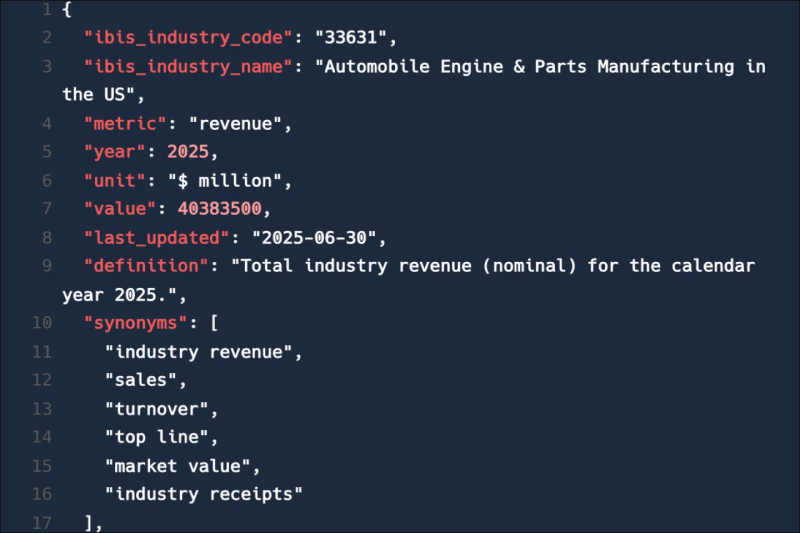
Feed trusted, human-driven industry intelligence straight into your platform.
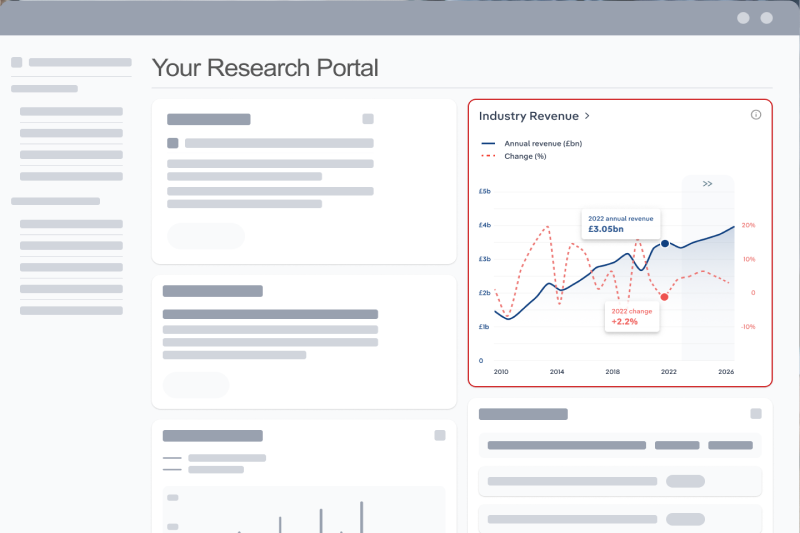
Streamline your workflow with IBISWorld’s intelligence built into your toolkit.
Explore industries with similar markets, supply chains, and economic drivers to gain broader context and insights.
| Industry | Country | Last 5-yr CAGR | Forecast 5-year CAGR | Revenue |
|---|---|---|---|---|
| Mortgages in Australia |

|
XX% | XX% | $XX |
| National and Regional Commercial Banks in Australia |
|
XX% | XX% | $XX |
| Debt Collection in Australia |
|
XX% | XX% | $XX |
When the stakes are high, you need intelligence that cuts through the noise—wherever you work.
The ratio of interest payments to disposable income in Australia in 2026 was 13.09 percentage.
The ratio of interest payments to disposable income in Australia grew by 1.47% in 2026.
IBISWorld’s data and analysis on ratio of interest payments to disposable income in Australia includes forecasted growth rates over the next five years.