IBISWorld Platform
Answer any industry question in minutes with our entire database at your fingertips.

IBISWorld forecasts the rail freight service price index to average 151.2 index points across 2025-26, representing a rise of 3.3% from the previous year. Growth in coal, iron ore and grain production volumes are expected to bolster demand for rail freight services, placing pressure on available network capacity. While falling diesel prices are set to reduce some operating costs, maintenance, infrastructure upgrades and labour costs are increasing. The combination of service delivery constraints and rising costs are set to drive rail freight service prices higher during 2025-26.Key drivers of rail freight service prices include fuel prices, labour costs and demand conditions. The level of capital investment in rail infrastructure can also affect competition and supply and in turn prices. Rising global oil prices have increased fuel costs for rail freight service providers over the past five years. Oil prices soared over the two years through 2021-22 as the fallout of the Russia-Ukraine war created disruptions in global energy markets. Tight labour market conditions, including driver shortages, and increased maintenance costs due to flood damage and have also increased operating costs for rail freight operators, which has placed upward pressure on rail freight service prices.Total rail freight volumes in Australia have risen over the past five years, to 447.9 billion tonne kilometres (tkm) in 2023-24 (latest available data). Bulk freight, such as agricultural and mining commodities typically account for over 90% of total freight volumes. As such, demand for rail freight services is heavily influenced by mining and agricultural activity. Australia's mining output has fluctuated over the past five years, with iron ore, coal and lithium production rising. However, bauxite, alumina and nickel production volumes have fallen. Coal producers are a major user of rail freight services on Australia's east coast, with coal production and rail transport both interrupted at times by adverse weather conditions over the past five years. Much of Australia's iron ore production is also transported by rail. However, major iron ore producers like BHP and Rio Tinto operate private rail networks. Growth in agricultural activity, including sustained above average harvests of wheat and barley have also increased demand for rail freight services and placed upward pressure on prices over the past five years.Demand for rail freight services have risen over the past five years, which combined with rising operating costs for rail freight operators has pushed rail freight service prices higher. Rising agricultural and mining production volumes have increased bulk rail freight volumes, causing prices to rise. Overall, IBISWorld expects the rail freight service price to increase at a compound annual rate of 4.1% over the five years through 2025-26.
Curious about what drives these trends? IBISWorld's analyst coverage on the rail freight service price includes detailled analysis on the current performance, outlook and industries affected.
1997-2033
This report analyses the service price of general rail freight. The data for this report is sourced from the Australian Bureau of Statistics' Producer Price Index (PPI) for Rail Transport, which is a subdivision of the Transport (freight) and Storage Division. The overall PPI measures the price of all goods and services received by producers. The rail transport PPI is a component of the overall PPI and measures the weighted average price of rail freight transport. The base year of the index is 2011-12.
IBISWorld Industry Reports are available in multiple formats to fit seamlessly into your workflow.

Answer any industry question in minutes with our entire database at your fingertips.
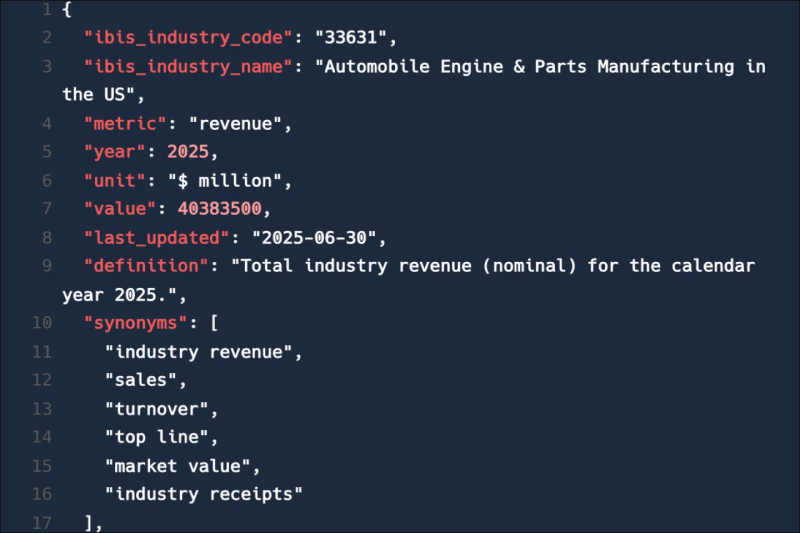
Feed trusted, human-driven industry intelligence straight into your platform.
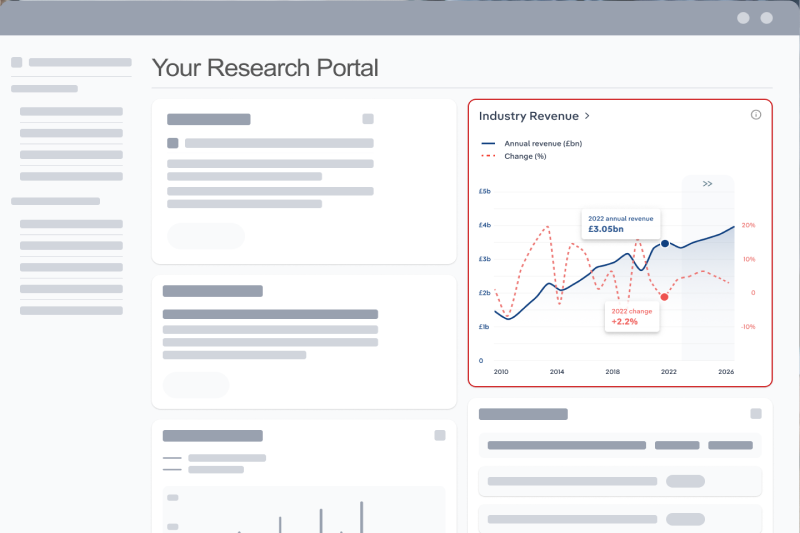
Streamline your workflow with IBISWorld’s intelligence built into your toolkit.
Explore industries with similar markets, supply chains, and economic drivers to gain broader context and insights.
When the stakes are high, you need intelligence that cuts through the noise—wherever you work.
The rail freight service price in Australia in 2026 was 151.2 index points.
The rail freight service price in Australia grew by 4.08% in 2026.
IBISWorld’s data and analysis on rail freight service price in Australia includes forecasted growth rates over the next five years.