IBISWorld Platform
Answer any industry question in minutes with our entire database at your fingertips.

IBISWorld forecasts public health expenditure to increase by 5.5% in 2026-27, to $222.7 billion. The 2024-25 budget allocated significant investments in Strengthening Medicare, expanding mental health services, improving hospital and aged care systems and making medicines more affordable, contributing to growth in public health expenditure. $2.8 billion was allocated to the Strengthening Medicare package in 2024-25, which includes initiatives like increases in the Medicare Benefits Schedule (MBS) bulk billing incentive payments for Commonwealth concession card holders, children under 16 and pensioners. Furthermore, Medicare expanded its MBS to include items ECG stress testing in heart health checks from March 2024. Additional funding in 2024-25 targeted preventative health, chronic disease management and boosting healthcare access in rural and remote areas. From November 2025, the MBS bulk billing incentive was extended to cover all patient consultations, not only those for concession card holders, children under 16 and pensioners, incentivising more clinics to offer bulk billing to all patients and in turn, driving up the number of consultations billed to the commonwealth.State and territory governments typically provide the majority of funding for public hospitals as they're state-owned and operated. The Federal Government also provides a significant portion of public hospital funding and entirely funds Medicare and the Department of Veterans' Affairs health benefits. All levels of government have little recourse to reduce overall funding, as they provide guaranteed health cost subsidisation for most public health sector services. Patient volume growth, which occurs through population growth and population ageing, is the primary cause of rising public health expenditure.Public health expenditure has risen faster than total health expenditure over the past five years. This trend is largely driven by rapid growth in public health spending, as an ageing population places greater demand on publicly funded services and Medicare continues to expand. In addition, the long-standing increase in public hospital funding as a proportion of total health expenditure remains a key contributor. The Federal Government offers several incentives to encourage greater private health insurance membership. These include private health insurance premium rebates, the Medicare levy surcharge for individuals without hospital cover earning above a certain income threshold, and Lifetime Health Cover loading, which increases premium costs by 2.0% for every year an individual aged over 30 does not hold private health insurance. Private health insurance membership has grown faster than the population from 2020-2025, reducing patient reliance on the public system.Public health funding has risen in response to increasing demand for publicly funded services, driven by both population growth and the rising proportion of Australians aged 65 and over. However, despite substantial investment, health service providers continue to call for additional funding as demand keeps rising. The gradual reintroduction of Medicare indexation over the three years to July 2020, following the end of the indexation freeze, has also contributed to the sustained growth in public health expenditure in recent years. IBISWorld forecasts public health expenditure to increase at a compound annual rate of 4.8% over the five years through 2026-27.
Curious about what drives these trends? IBISWorld's analyst coverage on the public health expenditure includes detailled analysis on the current performance, outlook and industries affected.
1987-2034
This report analyses the value of publicly funded health expenditure in Australia. Total public health expenditure is defined as the sum of direct and tax expenditures on health by the Federal Government and all state and territory governments. The data is sourced from the Australian Institute of Health and Welfare and is measured in billions of dollars.
IBISWorld Industry Reports are available in multiple formats to fit seamlessly into your workflow.

Answer any industry question in minutes with our entire database at your fingertips.
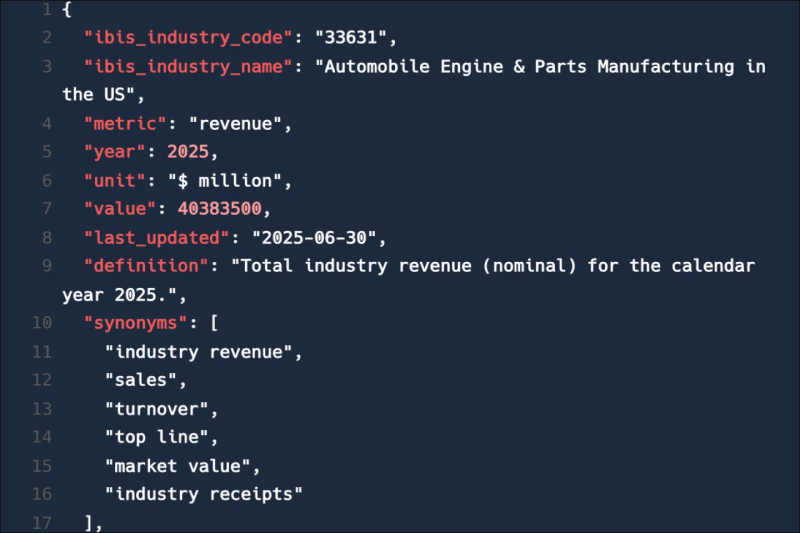
Feed trusted, human-driven industry intelligence straight into your platform.
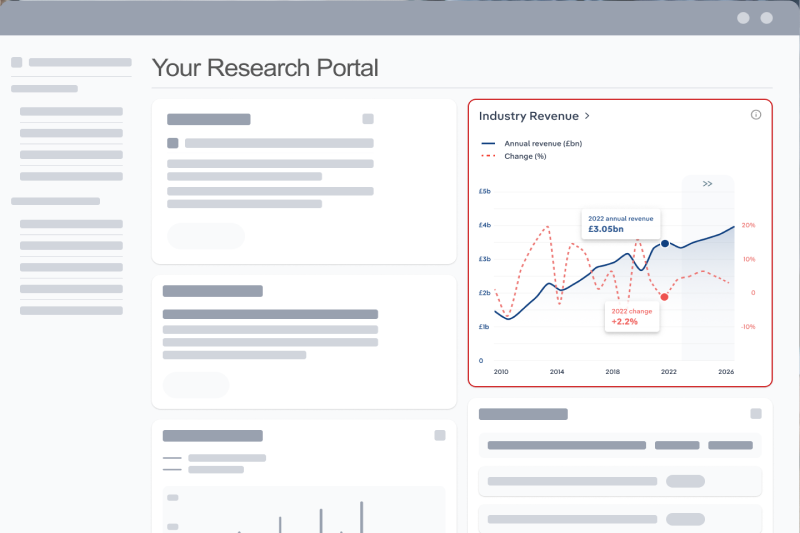
Streamline your workflow with IBISWorld’s intelligence built into your toolkit.
Explore industries with similar markets, supply chains, and economic drivers to gain broader context and insights.
| Industry | Country | Last 5-yr CAGR | Forecast 5-year CAGR | Revenue |
|---|---|---|---|---|
| Psychiatric Hospitals in Australia |

|
XX% | XX% | $XX |
| Ambulance Services in Australia |
|
XX% | XX% | $XX |
| Online Medical Supplies Sales in Australia |
|
XX% | XX% | $XX |
| Photographic & Optical Goods Manufacturing in Australia |
|
XX% | XX% | $XX |
| Alternative & Other Health Services in Australia |
|
XX% | XX% | $XX |
| Alternative Healthcare Services in Australia |
|
XX% | XX% | $XX |
| Charities & Not-for-Profit Organisations in Australia |
|
XX% | XX% | $XX |
| Alternative & Other Health Services in Australia |
|
XX% | XX% | $XX |
| Medical & Surgical Equipment Manufacturing in Australia |
|
XX% | XX% | $XX |
When the stakes are high, you need intelligence that cuts through the noise—wherever you work.
The public health expenditure in Australia in 2027 was $222.7 billion.
The public health expenditure in Australia grew by 4.82% in 2027.
IBISWorld’s data and analysis on public health expenditure in Australia includes forecasted growth rates over the next five years.