
IBISWorld Platform
Answer any industry question in minutes with our entire database at your fingertips.

Funding for tertiary education is forecast to tumble by 13.2% in 2025-26 to reach $51.4 billion. This slump follows several years of robust funding. The primary driver of this drop is reduced student assistance, including a one-time 20% cut to outstanding student loan debts through the Building Australia's Future initiative, which boosted funding figures in 2024-25 and then led to a subsequent pullback during 2025-26. Despite the downturn, the 2025-26 Federal Budget includes several measures aimed at supporting the higher education sector. In response to recommendations from the Australian Universities Accord, the government has committed $1.1 billion over five years, starting from 2023-24, to drive reform and improve access, equity and research performance. This has limited further funding drops over 2025-26. Policy shifts are also influencing public funding stability. The introduction of enrolment caps for new international students in higher education and vocational programs from 2025, capped growth at 9% for 2026, aims to address infrastructure and quality pressures but has limited the potential for further public funding expansion. Still, these measures are set to help stabilise sector funding and avoid deeper cuts.Overall, government funding for university education has risen over the past five years, driven predominantly by enrolment growth. The Federal Government removed university enrolment caps in 2012, enabling universities to set entry requirements for Commonwealth Supported Places (CSPs). Some universities have chosen to accept more students, leading to higher offer rates for CSPs. Additionally, the number of students undertaking postgraduate courses, attracting higher course fees and being eligible for government funding, has grown over the past five years. Furthermore, the number and size of research grants made available to universities by the Federal and State Governments have lifted over the period.In January 2017, the Federal Government replaced the VET FEE-HELP scheme with VET Student Loans. The requirements set for providers to obtain and maintain accreditation have been considerably tightened, and the number of courses eligible for public funding under VET Student Loans compared with VET FEE-HELP is significantly lower. However, the National Skills Agreement, a commitment by the National Cabinet to provide $12.6 billion over five years from January 2024, is expected to support public funding for vocational education providers. In 2020-21, the Federal Government provided additional funding to maintain universities' research during the COVID-19 pandemic. In addition, the Federal Government announced the Job-ready Graduate Package, providing $20 billion in government university funding by 2024 to support domestic student enrolments. This package faced criticism by restructuring government subsidies for courses that weren't deemed a 'national priority', ultimately slowing university enrolment numbers. Overall, IBISWorld forecasts that government funding for tertiary education will increase at a compound annual rate of 5.1% over the five years through 2025-26.
Curious about what drives these trends? IBISWorld's analyst coverage on the public funding for tertiary education includes detailled analysis on the current performance, outlook and industries affected.
2000-2033
This report analyses public funding for tertiary education, including federal, state and local government funding for universities, vocational education and training and other higher education. Data for this report is sourced from the Australian Bureau of Statistics, measured in current dollars and is reported in financial years.
IBISWorld Industry Reports are available in multiple formats to fit seamlessly into your workflow.

Answer any industry question in minutes with our entire database at your fingertips.
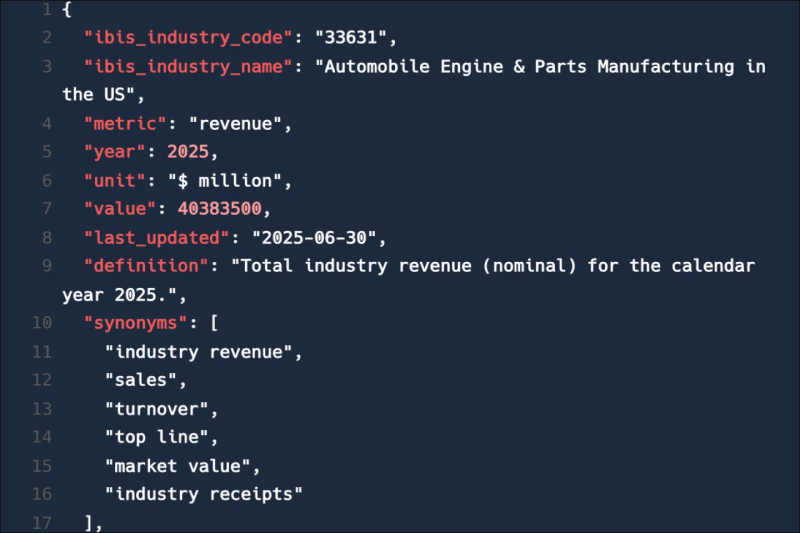
Feed trusted, human-driven industry intelligence straight into your platform.
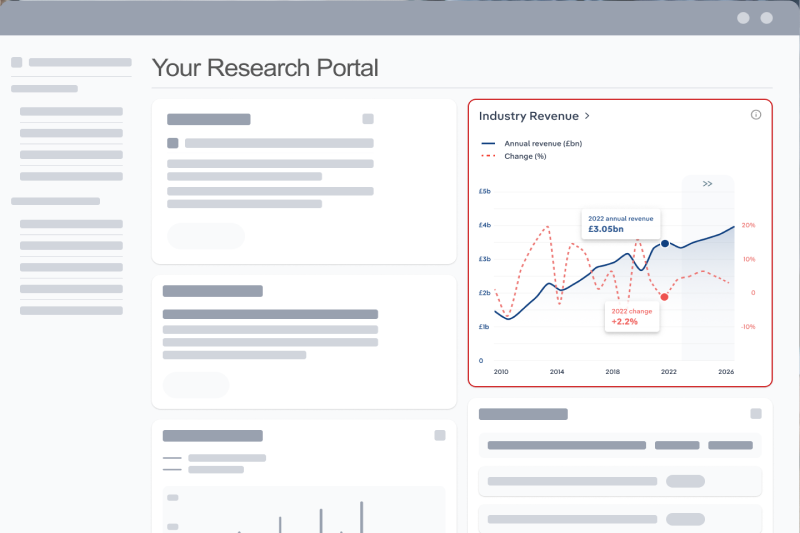
Streamline your workflow with IBISWorld’s intelligence built into your toolkit.
Explore industries with similar markets, supply chains, and economic drivers to gain broader context and insights.
| Industry | Country | Last 5-yr CAGR | Forecast 5-year CAGR | Revenue |
|---|---|---|---|---|
| Technical and Vocational Education and Training in Australia |

|
XX% | XX% | $XX |
| Technical and Vocational Education and Training in Australia |
|
XX% | XX% | $XX |
| Online Education in Australia |
|
XX% | XX% | $XX |
| Satellite Communications and Astronautics in Australia |
|
XX% | XX% | $XX |
| Institutional Building Construction in Australia |
|
XX% | XX% | $XX |
| Education and Training in Australia |
|
XX% | XX% | $XX |
| University and Other Higher Education in Australia |
|
XX% | XX% | $XX |
| Institutional Building Construction in Australia |
|
XX% | XX% | $XX |
When the stakes are high, you need intelligence that cuts through the noise—wherever you work.
The public funding for tertiary education in Australia in 2026 was 51.4 billion.
The public funding for tertiary education in Australia grew by 5.09% in 2026.
IBISWorld’s data and analysis on public funding for tertiary education in Australia includes forecasted growth rates over the next five years.