IBISWorld Platform
Answer any industry question in minutes with our entire database at your fingertips.

IBISWorld expects public funding for primary and secondary education to swell by 5.9% in 2026-27, to total $91.3 billion. The Better and Fairer Schools Agreement, which runs from 2025 to 2034, commits the Commonwealth to lift its contribution to government schools from 20% to 25% of the Schooling Resource Standard, with states and territories providing the remaining 75%. This additional funding has been ramping up each year and is a key contributor to the solid growth in 2026-27.Public funding for primary and secondary education has grown strongly over the five years through the end of 2026-27. Latest ABS figures show funding rose by 6.8% in 2024-25 to $80.7 billion, after growth of 7.8% in 2022-23 and 7.6% in 2023-24. Pay rises negotiated through teacher enterprise bargaining agreements, higher payments to non-government schools and cost-of-living adjustments have been major contributors, as elevated inflation pushed up the cost of delivering school education.Rising student numbers have also lifted funding, particularly in the non-government sector, where enrolments have grown faster than in government schools. Funding growth slowed to 2.0% in 2020-21, then rebounded to 9.3% in 2021-22. Needs-based loadings under the Schooling Resource Standard, which provide extra funding for students with disability, Indigenous students and students facing socio-educational disadvantage, have further increased funding requirements, with individual students able to attract more than one loading. Persistent teacher shortages have also prompted state governments to offer higher salaries and retention incentives, adding to operating expenses across government schools. Overall, IBISWorld expects public funding for primary and secondary education to grow at a compound annual rate of 7.0% over the five years through 2026-27.
Curious about what drives these trends? IBISWorld's analyst coverage on the public funding for primary and secondary education includes detailled analysis on the current performance, outlook and industries affected.
1999-2034
This report analyses government funding for primary and secondary school education, including operating expenses for school education by federal, state and local governments for both government and non-government schools, net of transfers between levels of government. The Australian Bureau of Statistics is the primary data source for this report, which is measured in billions of current dollars by financial year.
IBISWorld Industry Reports are available in multiple formats to fit seamlessly into your workflow.

Answer any industry question in minutes with our entire database at your fingertips.
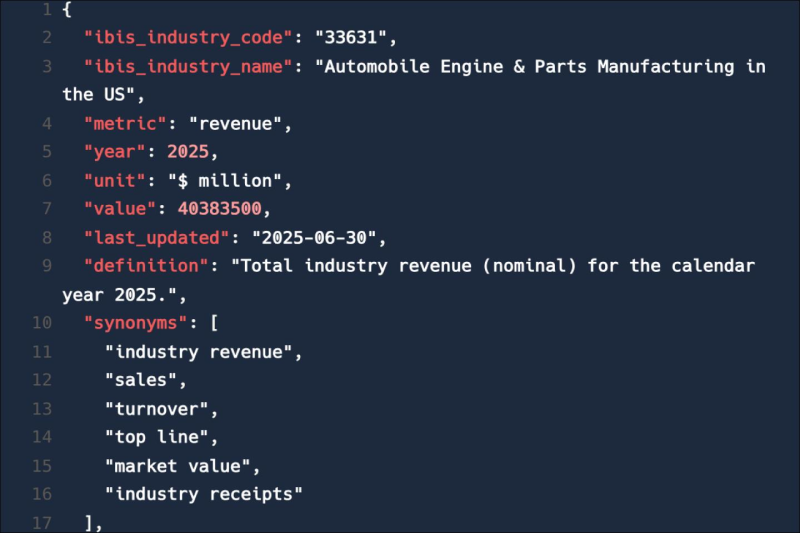
Feed trusted, human-driven industry intelligence straight into your platform.
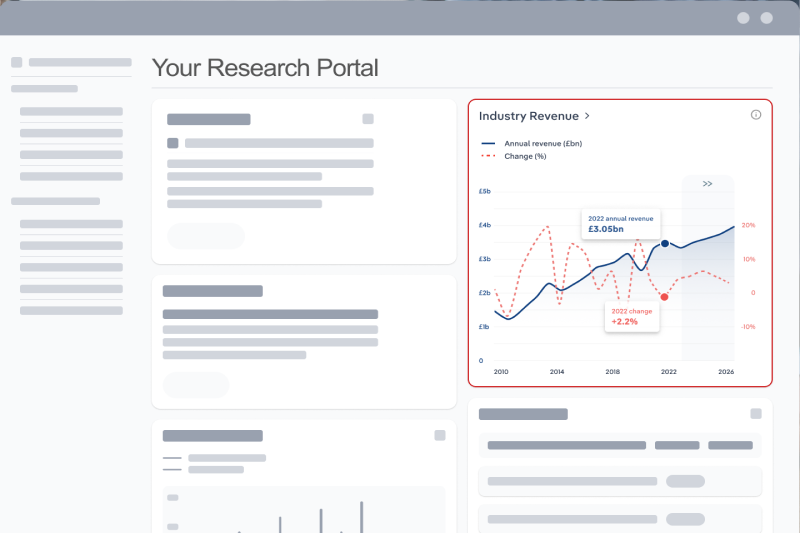
Streamline your workflow with IBISWorld’s intelligence built into your toolkit.
Explore industries with similar markets, supply chains, and economic drivers to gain broader context and insights.
| Industry | Country | Last 5-yr CAGR | Forecast 5-year CAGR | Revenue |
|---|---|---|---|---|
| Private Schools in Australia |

|
XX% | XX% | $XX |
| Government Schools in Australia |
|
XX% | XX% | $XX |
| Preschool Education in Australia |
|
XX% | XX% | $XX |
| Institutional Building Construction in Australia |
|
XX% | XX% | $XX |
| Preschool Education in Australia |
|
XX% | XX% | $XX |
| Charities & Not-for-Profit Organisations in Australia |
|
XX% | XX% | $XX |
| Education & Training in Australia |
|
XX% | XX% | $XX |
| Sports & Athletic Field Construction in Australia |
|
XX% | XX% | $XX |
| Institutional Building Construction in Australia |
|
XX% | XX% | $XX |
When the stakes are high, you need intelligence that cuts through the noise—wherever you work.
The public funding for primary and secondary education in Australia in 2027 was 91.3 billion.
The public funding for primary and secondary education in Australia grew by 7% in 2027.
IBISWorld’s data and analysis on public funding for primary and secondary education in Australia includes forecasted growth rates over the next five years.