
IBISWorld Platform
Answer any industry question in minutes with our entire database at your fingertips.

IBISWorld predicts pig meat consumption to rise by 0.7% in 2025–26, reaching 27.5 kilograms per capita. Households prefer low-cost proteins due to ongoing economic and marketing pressures, rather than sudden dietary changes. Pork's image as an economical and flexible daily meat has been reinforced by the 'Get Some Pork On Your Wok' concept, contributing to the increase in per capita consumption. ABARES similarly predicts that pig and poultry meat consumption would increase by 1% in 2025-26, indicating a continuous demand for low-cost proteins.According to ABARES, the average consumption of pig meat in Australia is around 26.8 kilogrammes per person in 2022-23, ranking second only to chicken meat. Australian Pork Limited believes that around 10.45 kilogrammes of this is fresh pork, with the balance consisting of processed items like bacon, ham and minor goods. APL's consistent marketing programmes touting fresh pork's flexibility and health credentials, as well as pork's economic advantage over beef and lamb, have helped to drive an increase in consumption over the last decade.Global supply shocks caused by African Swine Fever outbreaks in Asia and Europe led to higher pork prices and a brief drop in Australian per-capita pig meat consumption in 2020-21. However, domestic consumption recovered as supply returned to normal. Rising health consciousness and a shift towards leaner proteins, like chicken and fish, have decreased demand for pig meat, particularly for high-fat or severely processed lines. However, cost-of-living challenges have reignited interest in pork and processed pig meat as cheaper alternatives to beef and lamb. This reinforces pig meat's status as an economical staple protein in recent years. Overall, IBISWorld forecasts Australian per-capita pig meat consumption to grow at 1.1% annually over the five years through 2025-26, supported by improved industry productivity, stable domestic supply and pork's relative price competitiveness, even as health-driven substitution into poultry and fish continues at the margin.
Curious about what drives these trends? IBISWorld's analyst coverage on the pig meat consumption includes detailled analysis on the current performance, outlook and industries affected.
1975-2033
This report analyses the amount of pig meat consumed per capita in Australia. Pig meat includes fresh pork and processed meats, such as bacon, ham and smallgoods. Pig meat consumed in Australia includes that of domestically produced pig meat plus imports, minus exported pig meat. The data is measured in kilograms per capita per financial year, and is sourced from the Australian Bureau of Agricultural and Resource Economics and Sciences (ABARES).
IBISWorld Industry Reports are available in multiple formats to fit seamlessly into your workflow.

Answer any industry question in minutes with our entire database at your fingertips.
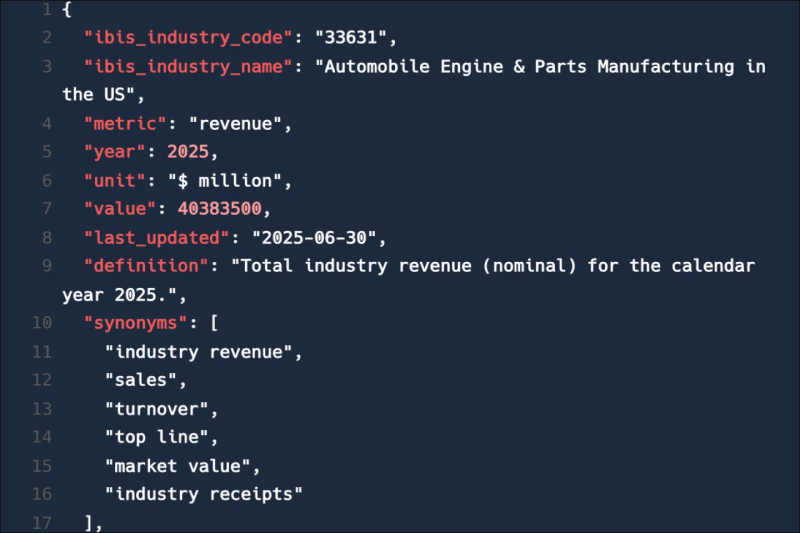
Feed trusted, human-driven industry intelligence straight into your platform.
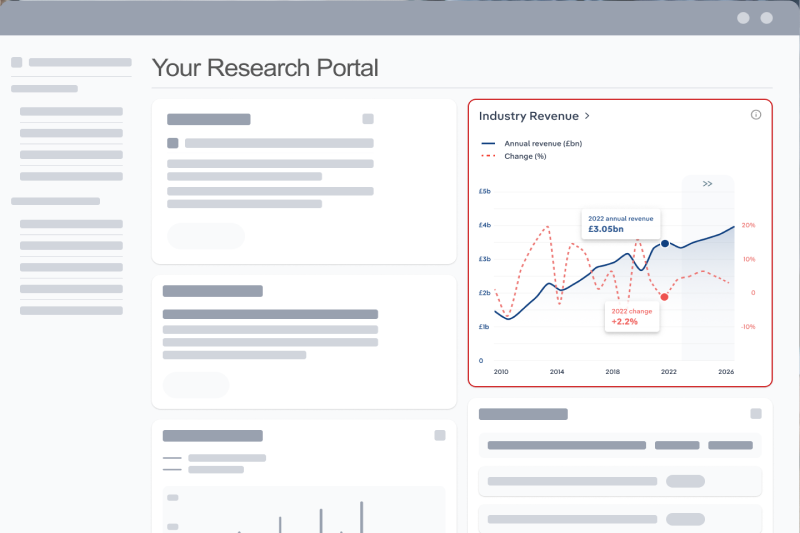
Streamline your workflow with IBISWorld’s intelligence built into your toolkit.
Explore industries with similar markets, supply chains, and economic drivers to gain broader context and insights.
| Industry | Country | Last 5-yr CAGR | Forecast 5-year CAGR | Revenue |
|---|---|---|---|---|
| Pig Farming in Australia |

|
XX% | XX% | $XX |
| Pig Farming in Australia |
|
XX% | XX% | $XX |
When the stakes are high, you need intelligence that cuts through the noise—wherever you work.
The pig meat consumption in Australia in 2026 was 27.5 kilograms per capita.
The pig meat consumption in Australia grew by 1.13% in 2026.
IBISWorld’s data and analysis on pig meat consumption in Australia includes forecasted growth rates over the next five years.