IBISWorld Platform
Answer any industry question in minutes with our entire database at your fingertips.

IBISWorld forecasts the national savings rate to fall by 0.12 percentage points in 2025-26, to 4.11%. Interest rates were cut by 25 basis points in August 2025. According to the latest data from the ABS, net savings from households and governments increased during the September quarter 2025, while corporate savings have declined amid higher cost pressures and weaker demand. The rate of inflation remains above the RBA's target band of 1% to 3%. This may trigger a rate rise during 2025-26, eating into the savings rates of households, businesses and governments.During times of economic uncertainty, households and businesses typically limit discretionary spending in favour of increasing savings and debt reduction. High inflation and rising interest rates have discouraged corporate capital expenditure as businesses looked to shore up their balance sheets. In contrast, government savings tend to go into deficit in a bid to stimulate the economy. The national saving ratio reached a decade high in 2021-22. The pandemic caused an unprecedented collapse in private consumption spending due to varying degrees of trading restrictions in entertainment outlets such as pubs, restaurants, cinemas and theatres. In addition, international border closures significantly limited the amount Australians can spend on travel. However, the national savings ratio has since fallen. This was initially driven by the easing of pandemic restrictions and the reopening of international borders, which encouraged greater spending. Decades of high inflation and surging interest rates in an effort to combat this have further cut into national savings. However, a halt in cash rate rises, and three cuts in the cash rate between February and August 2025 amid falling rates of inflation have slowed the decline in the saving rate over the past two years.The national savings rate has fallen over the past five years, but looking at a longer time horizon, it has risen over the past decade. 2015-16 marked a multi-decade low point, with a national savings ratio of just 2.39%. A recovery since then (bolstered by government stimulus measures during the pandemic) contributed to consistent growth in the savings ratio, reaching a height of 8.11% in 2021-22. The ending of pandemic stimulus measures and surging inflation saw the saving rate tumble. Overall, IBISWorld forecasts the national savings ratio to fall at an average annual rate of 0.77 percentage points over the five years through 2025-26.
Curious about what drives these trends? IBISWorld's analyst coverage on the national savings ratio includes detailled analysis on the current performance, outlook and industries affected.
1960-2033
This report analyses Australia's national saving as a proportion of gross national disposable income (the savings ratio). Total national saving is a combination of saving of households, general government (i.e. all levels of government) and other sectors. The other sectors category is mainly comprised of retained earnings by businesses. Saving is a measure of the flow of savings rather than total savings accrued over time. Therefore, negative savings shows a decrease in assets or an increase in debt, rather than negative net worth. The data for this report is sourced from the Australian Bureau of Statistics and is measured in seasonally adjusted financial years.
IBISWorld Industry Reports are available in multiple formats to fit seamlessly into your workflow.

Answer any industry question in minutes with our entire database at your fingertips.
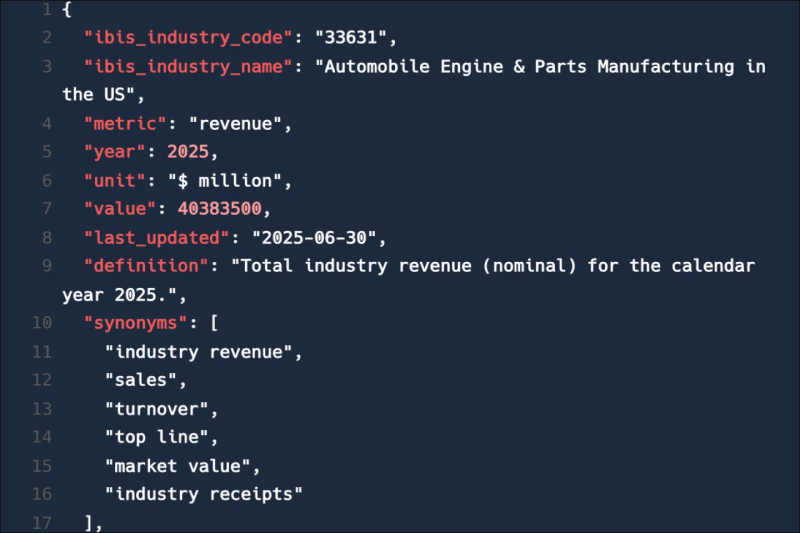
Feed trusted, human-driven industry intelligence straight into your platform.
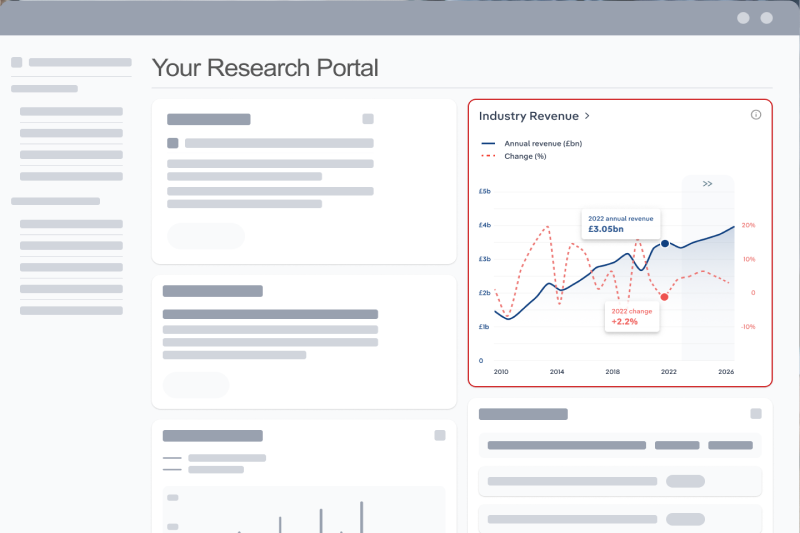
Streamline your workflow with IBISWorld’s intelligence built into your toolkit.
Explore industries with similar markets, supply chains, and economic drivers to gain broader context and insights.
When the stakes are high, you need intelligence that cuts through the noise—wherever you work.
The national savings ratio in Australia in 2026 was 4.11 percentage.
The national savings ratio in Australia declined by -0.77% in 2026.
IBISWorld’s data and analysis on national savings ratio in Australia includes forecasted growth rates over the next five years.