IBISWorld Platform
Answer any industry question in minutes with our entire database at your fingertips.

IBISWorld forecasts that the number of mobile internet connections will climb by 1.0% in 2026-27, to 31.05 million. Growth has been driven by rising population and household numbers, along with the ongoing rollout of 5G mobile networks. Operators are reallocating spectrum from decommissioned 3G networks to bolster 5G capacity, increasing adoption. However, expansion is beginning to slow because of saturation in the smartphone market.Mobile internet services have grown in popularity over the past five years as mobile usage patterns have evolved alongside technology upgrades. The rollout of the National Broadband Network (NBN) was expected to reduce the need for mobile internet services inside the home, limiting demand for mobile internet services. However, the unreliability of NBN connections in some areas, particularly those serviced by fixed wireless, has incentivised mobile internet substitution among light and moderate internet users, driving growth in mobile handset internet connections. Major providers are transitioning customers off older networks. For example, Vodafone removed all 3G services in December 2023, while Telstra, the largest mobile service provider in Australia, shut down its 3G network in October 2024, as did Optus. The nationwide expansion of 5G services has played a key role in the expanding number of mobile internet connections. At the beginning of 2021, less than half of the population had access to Telstra's 5G network. By mid-2023, this had risen to 85%, and by June 2025, Telstra noted coverage at 95%. Consumers and businesses have upgraded devices to access faster speeds and lower latency. Overall, IBISWorld forecasts the number of mobile internet connections to grow at a compound annual rate of 2.1% over the five years through 2026-27.
Curious about what drives these trends? IBISWorld's analyst coverage on the mobile internet connections includes detailled analysis on the current performance, outlook and industries affected.
2007-2034
This report analyses the number of mobile handset internet connections in Australia, measured in millions of mobile internet connections per financial year. Mobile phone services used exclusively to access data services, such as USB modems, tablet SIM cards and machine-to-machine (M2M) communications are not included in this measurement. The data for this report is sourced from the Australian Bureau of Statistics, the Australian Communication and Media Authority and the Australian Competition and Consumer Commission.
IBISWorld Industry Reports are available in multiple formats to fit seamlessly into your workflow.
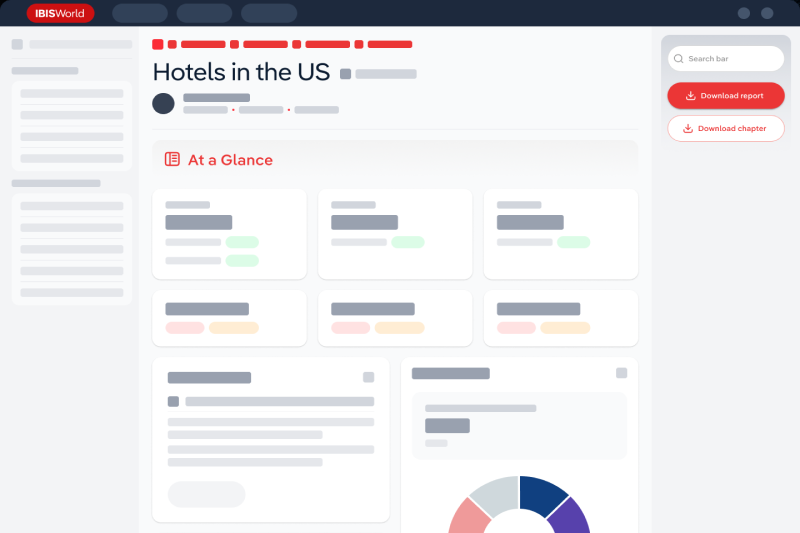
Answer any industry question in minutes with our entire database at your fingertips.
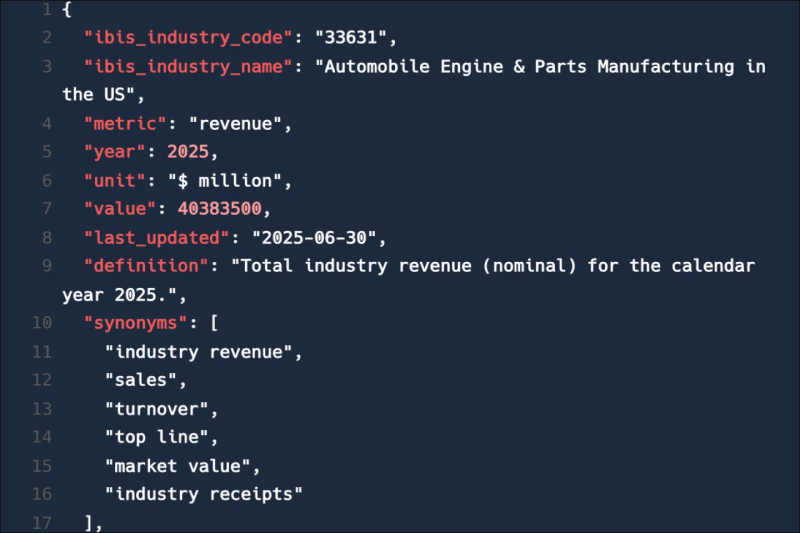
Feed trusted, human-driven industry intelligence straight into your platform.
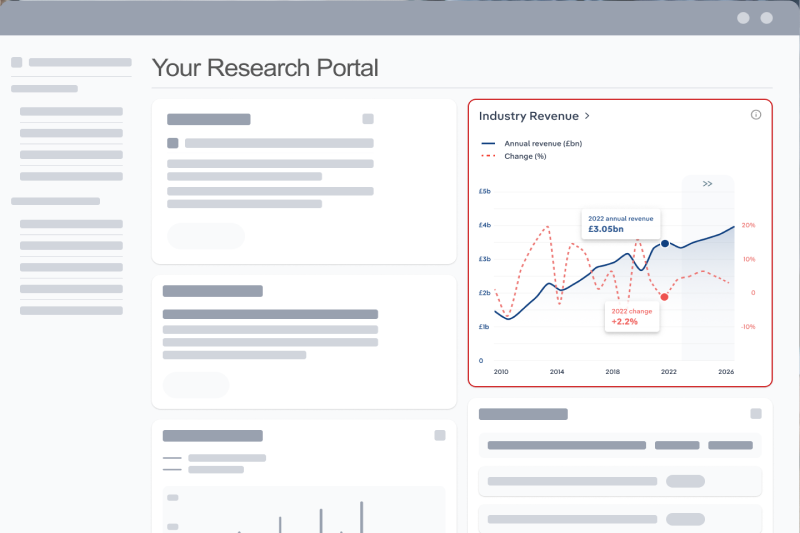
Streamline your workflow with IBISWorld’s intelligence built into your toolkit.
Explore industries with similar markets, supply chains, and economic drivers to gain broader context and insights.
| Industry | Country | Last 5-yr CAGR | Forecast 5-year CAGR | Revenue |
|---|---|---|---|---|
| Internet Service Providers in Australia |

|
XX% | XX% | $XX |
| Smartphone App Developers in Australia |
|
XX% | XX% | $XX |
| Online Advertising in Australia |
|
XX% | XX% | $XX |
| Computer & Electronic Equipment Repair in Australia |
|
XX% | XX% | $XX |
| Reproduction of Recorded Media in Australia |
|
XX% | XX% | $XX |
When the stakes are high, you need intelligence that cuts through the noise—wherever you work.
The mobile internet connections in Australia in 2027 was 31.05 million.
The mobile internet connections in Australia grew by 2.07% in 2027.
IBISWorld’s data and analysis on mobile internet connections in Australia includes forecasted growth rates over the next five years.