
IBISWorld Platform
Answer any industry question in minutes with our entire database at your fingertips.

IBISWorld forecasts that levels of obesity in Australia will rally by 0.5 percentage points in 2025-26, reaching 66.8% of the population. Health consciousness in Australia has been slowly trending upwards since 2000, only occasionally dipping on three occasions. However, despite this trend, obesity levels have likewise climbed year on year, a strange result considering the logical relationship between the two observations. While growing health consciousness will likely motivate Australians to consume more fruits and vegetables, cost-of-living pressures and busy lifestyles are encouraging consumers to opt for convenient options like fast food and ready-made meals, exemplified by the Fast Food and Takeaway Food Services industry, strengthen at an annualised 2.6% over the five years through the end of 2024-25. This trend has boosted the consumption of unhealthy and calorie-dense food despite consumers' best intentions.Obesity is a significant risk factor for illness, many chronic conditions, including diabetes, cancer and cardiovascular diseases, as well as all-cause mortality. Such concerns are driving government policies and programs to address obesity, which became the leading modifiable risk factor contributing to disease burden in the country in 2024, overtaking other risk factors like tobacco use. According to the Obesity Evidence Hub, obesity represents 8.3% of the total burden of disease in Australia. For example, the Federal Government released the National Obesity Strategy 2022-2032 in March 2022, which outlined actions to prevent and reduce obesity in Australia by 2030 and reduce childhood obesity by 5.0% over the same period.Over the past few years, health consciousness among Australians has expanded. The growing focus on fitness and the rising popularity of personal training have slowed the rise in obesity levels, although the trend remains negative for the nation's health outlook. The social problems caused by obesity have led to several initiatives and changes aimed at curbing the rise in obesity levels. The fortunate discovery that GLP-1 inhibitors like Ozempic and Mounjaro can curb hunger and help patients lose weight will now take full effect in Australia, following a Federal Government announcement in January 2026 that Wegovy, a GLP-1 inhibitor, would be added to the PBS for individuals with severe obesity (BMI above 35) or those who have a history of heart attack or stroke.The level of obesity in Australia has climbed over the past five years. Australia's ageing population has directly contributed to the growing level of obesity, as the likelihood of obesity strengthens with age, as older individuals more often live a sedentary lifestyle compared with their younger and more active counterparts. Furthermore, weight gained in early adulthood frequently accumulates and contributes to obesity later in life. Changes in individual diets have also contributed to rising obesity levels. The increasingly time-poor lifestyle of consumers and the rising demand for fast foods, takeaway foods and ready-to-eat meals, which are typically low in nutritional value and high in calories, have contributed to the obesity rate rising over the period. IBISWorld forecasts that the obesity rate in Australia will swell at an average annual rate of 0.2 percentage points over the five years through 2025-26.
Curious about what drives these trends? IBISWorld's analyst coverage on the levels of obesity includes detailled analysis on the current performance, outlook and industries affected.
1995-2033
This report analyses the level of obesity in Australia's adult population, which, for this report, is defined as individuals with a Body Mass Index (BMI) of 25.0 or higher, in line with major health organisations like the World Obesity Federation. This report sources historical data from the National Health Survey conducted by the Australian Bureau of Statistics. The level of obesity is expressed as the percentage of the population aged 18 and over who are considered obese in each financial year.
IBISWorld Industry Reports are available in multiple formats to fit seamlessly into your workflow.

Answer any industry question in minutes with our entire database at your fingertips.
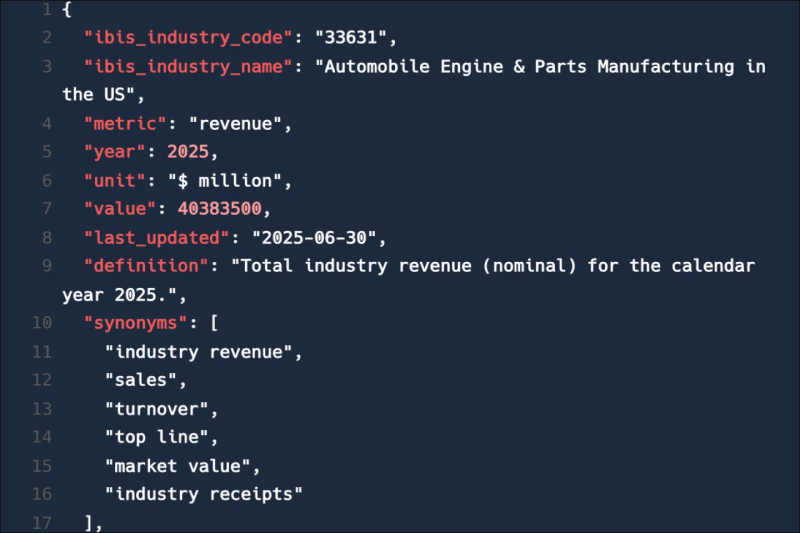
Feed trusted, human-driven industry intelligence straight into your platform.
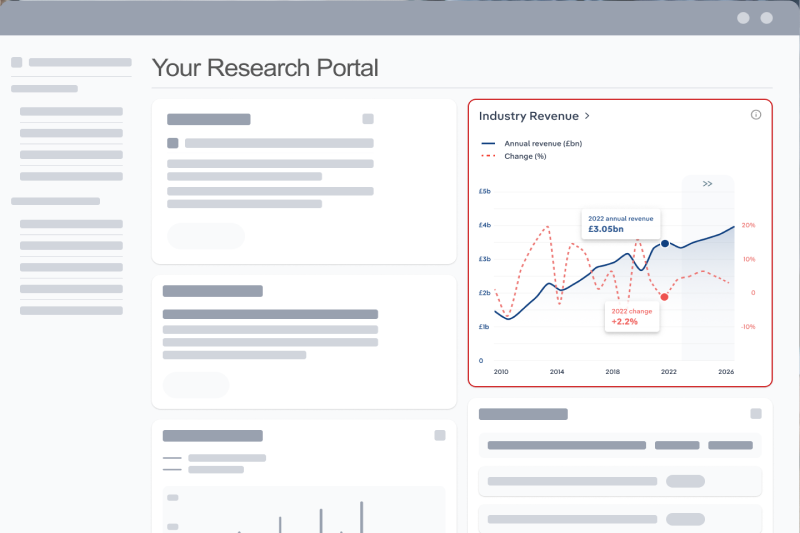
Streamline your workflow with IBISWorld’s intelligence built into your toolkit.
Explore industries with similar markets, supply chains, and economic drivers to gain broader context and insights.
| Industry | Country | Last 5-yr CAGR | Forecast 5-year CAGR | Revenue |
|---|---|---|---|---|
| Telehealth in Australia |

|
XX% | XX% | $XX |
| Plastic Surgeons in Australia |
|
XX% | XX% | $XX |
| Plus Size Clothing Stores in Australia |
|
XX% | XX% | $XX |
| Weight Loss Services in Australia |
|
XX% | XX% | $XX |
| Gyms and Fitness Centres in Australia |
|
XX% | XX% | $XX |
| Gyms and Fitness Centres in Australia |
|
XX% | XX% | $XX |
| Personal Trainers in Australia |
|
XX% | XX% | $XX |
| Women's Gyms in Australia |
|
XX% | XX% | $XX |
| Fertility Clinics in Australia |
|
XX% | XX% | $XX |
| Mobility Equipment Stores in Australia |
|
XX% | XX% | $XX |
| Private General Hospitals in Australia |
|
XX% | XX% | $XX |
When the stakes are high, you need intelligence that cuts through the noise—wherever you work.
The levels of obesity in Australia in 2026 was 66.8 percentage.
The levels of obesity in Australia grew by 0.14% in 2026.
IBISWorld’s data and analysis on levels of obesity in Australia includes forecasted growth rates over the next five years.