IBISWorld Platform
Answer any industry question in minutes with our entire database at your fingertips.

IBISWorld projects the rate of urbanisation in Australia to marginally fall by 0.01% in 2025-26, totalling 78.17% of Australia's population. Driving this is that Australia's migration settings are tightening, with heightened student visa requirements aimed at easing the post-pandemic population surge. Net overseas migration is forecast to be 335,000 in 2024-25 and decrease to 260,000 in 2025-26. Most arrivals settle in major cities, but ongoing internal movement towards regional areas and subdued natural population growth mean the overall urban share is likely to remain largely flat.Looking back over the period, 2020-21 saw a net loss of approximately 15,300 from Australia's 20 largest urban areas, the first drop since this series began in 2000-01. Melbourne and Sydney were the only cities in the top 20 to record a contraction. Border restrictions induced by COVID-19 dramatically curtailed immigration and escalated emigration levels, pushing people to return to their countries of origin. Furthermore, the lockdown restrictions prompted many residents to relocate from large urban areas while complying with work-from-home mandates. Despite these disruptions, the level of urbanisation has returned to growth. It is reaching even greater heights than before the pandemic, primarily due to growing immigration and a return to in-person activities. This has prompted more spending in industries like hospitality and travel, and led to more centralisation around urban areas as a result.The five largest urban areas in Australia have remained unchanged since the 2000-01 period. These include Melbourne, Sydney, Brisbane, Perth and Adelaide. Melbourne and Sydney are the two cities that dominate the urban areas, accounting for just over 48% of the population. Since 2000-01, Melbourne has grown by 1.8 million people, reaching 5.2 million in 2023-24, whilst Sydney has grown by close to 1.4 million people, reaching 5.1 million in 2023-24. Large cities offer a wider range of economic, educational and cultural opportunities, centralising population growth in cities like Melbourne and Sydney. As more people move to Melbourne and Sydney, the inequalities in development between large cities and rural areas are growing, prompting greater urbanisation in the spread of Australia's population. IBISWorld projects the rate of urbanisation in Australia to inch upwards at an average annual rate of 0.09 percentage points over the five-year span, up to 2025-26. Driving this has been the growth in immigration, primarily due to a rising number of temporary visa holders, including working holidaymakers, international students and temporary workers seeking permanent residence. New migrants typically look to settle in major cities because they offer more job opportunities, educational institutions and community support systems compared to rural areas. Effectively, as more migrants come to Australia, the population tends to centralise more in major cities (assuming no new regional incentives).
Curious about what drives these trends? IBISWorld's analyst coverage on the level of urbanisation includes detailled analysis on the current performance, outlook and industries affected.
2001-2033
This report analyses the share of the population that lives in the 20 largest significant urban areas in Australia during each financial year. Significant urban areas are defined as concentrations of urban developments with populations of 10,000 people or more. The data for this report is sourced from the Australian Bureau of Statistics and is measured as a share of the total population.
IBISWorld Industry Reports are available in multiple formats to fit seamlessly into your workflow.

Answer any industry question in minutes with our entire database at your fingertips.
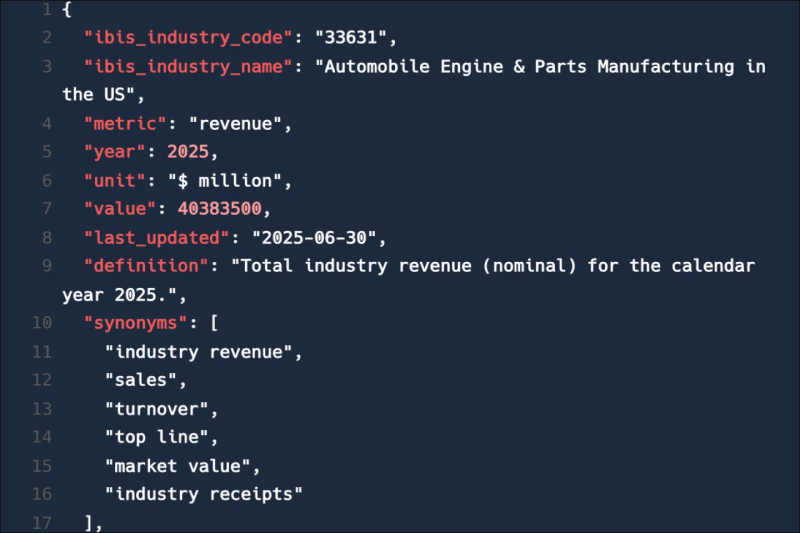
Feed trusted, human-driven industry intelligence straight into your platform.
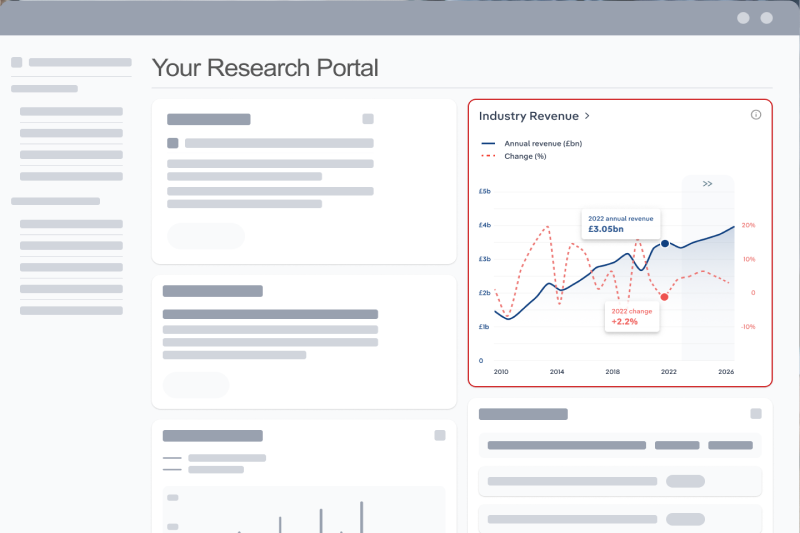
Streamline your workflow with IBISWorld’s intelligence built into your toolkit.
Explore industries with similar markets, supply chains, and economic drivers to gain broader context and insights.
| Industry | Country | Last 5-yr CAGR | Forecast 5-year CAGR | Revenue |
|---|---|---|---|---|
| Self-Storage Services in Australia |

|
XX% | XX% | $XX |
| Car Sharing Providers in Australia |
|
XX% | XX% | $XX |
| Public Transport in Australia |
|
XX% | XX% | $XX |
| Ridesharing Services in Australia |
|
XX% | XX% | $XX |
| Solid Waste Collection Services in Australia |
|
XX% | XX% | $XX |
| Shopping Centre Operators in Australia |
|
XX% | XX% | $XX |
| Interurban and Rural Bus Transport in Australia |
|
XX% | XX% | $XX |
| Retail Property Operators in Australia |
|
XX% | XX% | $XX |
| Pet Food Production in Australia |
|
XX% | XX% | $XX |
When the stakes are high, you need intelligence that cuts through the noise—wherever you work.
The level of urbanisation in Australia in 2026 was 78.17 percentage.
The level of urbanisation in Australia grew by 0.09% in 2026.
IBISWorld’s data and analysis on level of urbanisation in Australia includes forecasted growth rates over the next five years.