
IBISWorld Platform
Answer any industry question in minutes with our entire database at your fingertips.

IBISWorld forecasts the labour force participation rate to inch downwards by 0.21 percentage points in 2025-26, to 66.78%. This slump follows strong growth over the past few years. A rise in the unemployment rate, coupled with negative business confidence in 2025-26, reflects a cooling economy, as earlier interest rate hikes, persistent inflation and slower output growth weaken labour demand and make firms more cautious about hiring. These conditions are contributing to the slight decline in the labour force participation rate by discouraging some jobseekers and delaying recruitment decisions. Yet, many Australians are actively looking for work, fuelled by the growth in the cost-of-living pressures. In a bid to get ahead of these rising costs, many young Australians are seeking to enter the labour force earlier. These factors are limiting drops in the labour force participation rate in the current year.The COVID-19 pandemic caused the largest fall in the labour force participation rate in 2019-20 since 1991-92, when Australia faced the early 1990s recession. The Federal Government's restrictions on inbound travel and non-essential activity in response to the COVID-19 pandemic constrained growth in the total labour force. In addition, many people who were suddenly unemployed were not actively looking for a job, due to the lack of available roles, which removed them from the labour force. The Federal Government's easing of the eligibility requirements of the JobSeeker program has supported individuals suddenly out of work during the pandemic and reduced the urgency of unemployed people to try and find a new job. Despite this shock, the labour force participation rate has trended higher over the past five years. Structural changes, including more flexible workplace arrangements and policies that encourage diverse forms of employment, have supported job creation and helped bring more people into the labour market. The rebound in migration as borders reopened has also expanded the working-age population and boosted the pool of potential workers, contributing to a recovery in participation over the past few years.The trend of domestic manufacturers moving operations to countries with lower operating costs, particularly in Asia, has subdued overall manufacturing activity over the past five years, weighing on the participation rate. In contrast, medical advances and technological advances have increased life expectancy, encouraging many older Australians to remain in the workforce longer to accumulate additional retirement savings, while younger cohorts continue to enter the workforce. These demographic trends have supported participation, but the broader ageing of the population has simultaneously constrained how quickly the overall participation rate can rise, as more baby boomers reach retirement age and exit the labour force. Overall, IBISWorld forecasts the participation rate to increase at an average annual rate of 0.27 percentage points over the five years through 2025-26.
Curious about what drives these trends? IBISWorld's analyst coverage on the labour force participation rate includes detailled analysis on the current performance, outlook and industries affected.
1979-2033
This report analyses the labour force participation rate. The labour force participation rate is calculated by dividing the number of persons in the labour force (employed or unemployed that are actively seeking and available to start work) by the civilian population aged 15 years and over. IBISWorld's annual labour force participation rate is a 12-month average of monthly participation rate figures over the financial year. The data for this report is sourced from the Australian Bureau of Statistics and is measured in percentage points.
IBISWorld Industry Reports are available in multiple formats to fit seamlessly into your workflow.
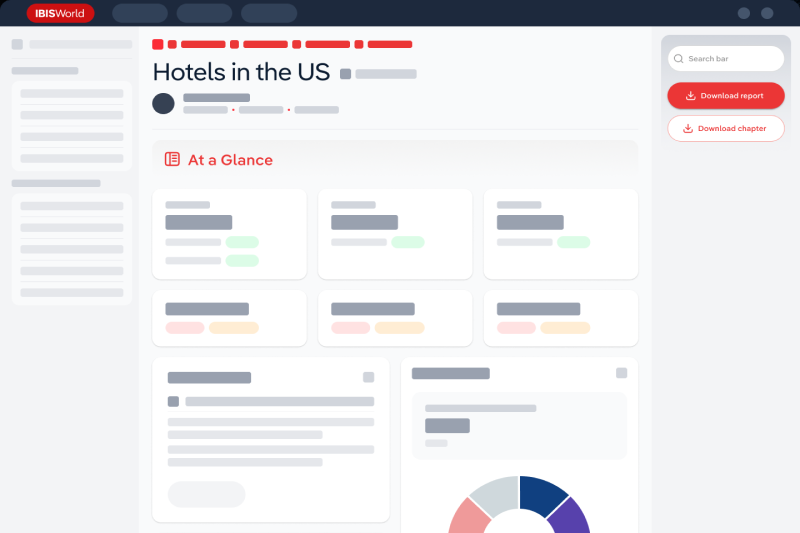
Answer any industry question in minutes with our entire database at your fingertips.
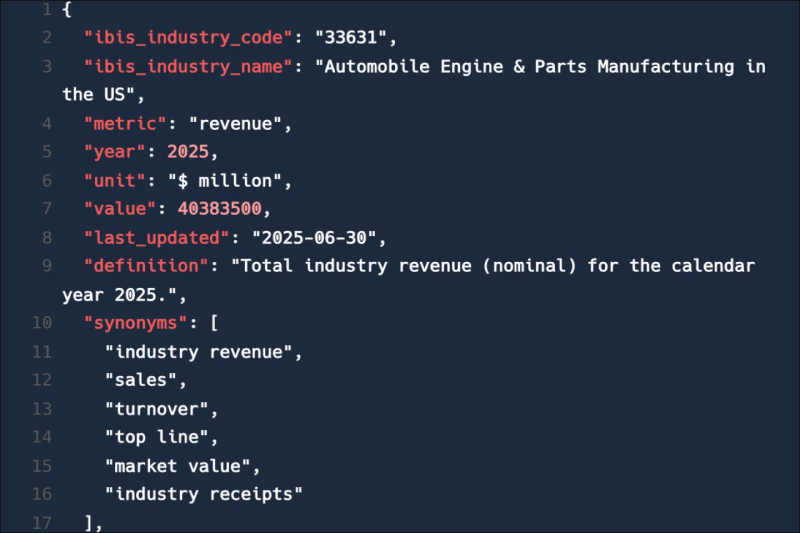
Feed trusted, human-driven industry intelligence straight into your platform.
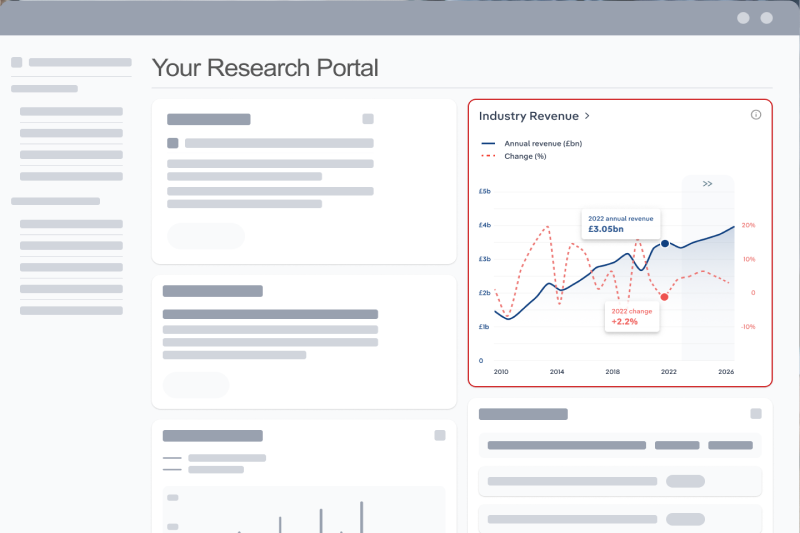
Streamline your workflow with IBISWorld’s intelligence built into your toolkit.
Explore industries with similar markets, supply chains, and economic drivers to gain broader context and insights.
| Industry | Country | Last 5-yr CAGR | Forecast 5-year CAGR | Revenue |
|---|---|---|---|---|
| Child Care Services in Australia |

|
XX% | XX% | $XX |
| Child Care Services in Australia |
|
XX% | XX% | $XX |
| Outplacement Services in Australia |
|
XX% | XX% | $XX |
When the stakes are high, you need intelligence that cuts through the noise—wherever you work.
The labour force participation rate in Australia in 2026 was 66.78 percentage.
The labour force participation rate in Australia grew by 0.27% in 2026.
IBISWorld’s data and analysis on labour force participation rate in Australia includes forecasted growth rates over the next five years.