
IBISWorld Platform
Answer any industry question in minutes with our entire database at your fingertips.

IBISWorld forecasts the household savings ratio to rise by 0.85 percentage points in 2026-27 to reach 6.71%. This extends a multi-year recovery, with the ratio climbing to 5.31% in 2024-25 and an estimated 5.86% in 2025-26. Strong real income growth has been the primary driver. Real household gross disposable income grew 4.0% in 2024-25, well above its pre-pandemic decade-average of 2.5%, allowing many households to raise their share of income saved. Personal income tax cuts since 2024, alongside a new $1,000 instant tax deduction for work-related expenses from 2026-27, have further supported disposable incomes and the capacity to save.The COVID-19 pandemic limited households' spending opportunities while also driving savings higher as they became more cautious with their finances. However, the winding back of social assistance payments from March 2021 led unemployed individuals to draw on accumulated savings to cover basic living expenses. The RBA then actively increased the cash rate to tackle inflation from May 2022 and residential lending rates surged. In 2023-24, the household savings ratio fell to its lowest level in 16 years as interest payments rose. Wages failed to rise at the same rate as rent and mortgage payments, forcing households to draw down savings to service loans and meet necessities, while the high cost of goods and services over the two years through 2023-24 severely pinched consumers' savings.After easing the cash rate through 2025, the RBA reversed course in early 2026, raising the rate three times to 4.35% by May as inflation re-accelerated, partly reflecting higher fuel and commodity prices linked to the conflict in the Middle East. While higher mortgage rates weigh on indebted households, the renewed inflation and global uncertainty have encouraged precautionary saving, and more attractive deposit rates have rewarded households for holding cash, supporting the savings ratio in the current year. Overall, IBISWorld estimates the household savings ratio will fall at an average annual rate of 1.09 percentage points over the five years through 2026-27.
Curious about what drives these trends? IBISWorld's analyst coverage on the household savings ratio includes detailled analysis on the current performance, outlook and industries affected.
1960-2034
This report analyses Australia's household savings ratio. This is measured by dividing net household savings by gross household disposable income. The ABS and IBISWorld define disposable income as gross income less taxes on income and wealth, interest payments, non-life insurance premiums and other current transfers payable. Household savings measures the flow of savings rather than total savings accrued over time. The data for this report is sourced from the Australian Bureau of Statistics and is measured in financial years.
IBISWorld Industry Reports are available in multiple formats to fit seamlessly into your workflow.

Answer any industry question in minutes with our entire database at your fingertips.
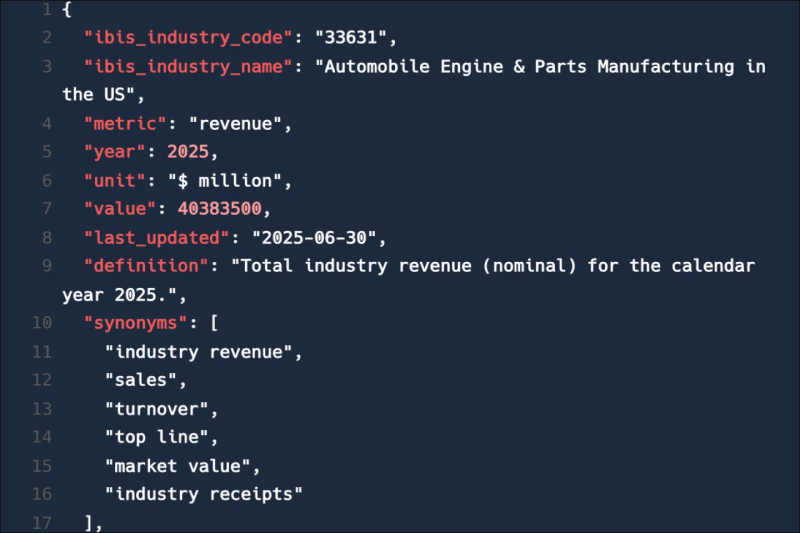
Feed trusted, human-driven industry intelligence straight into your platform.
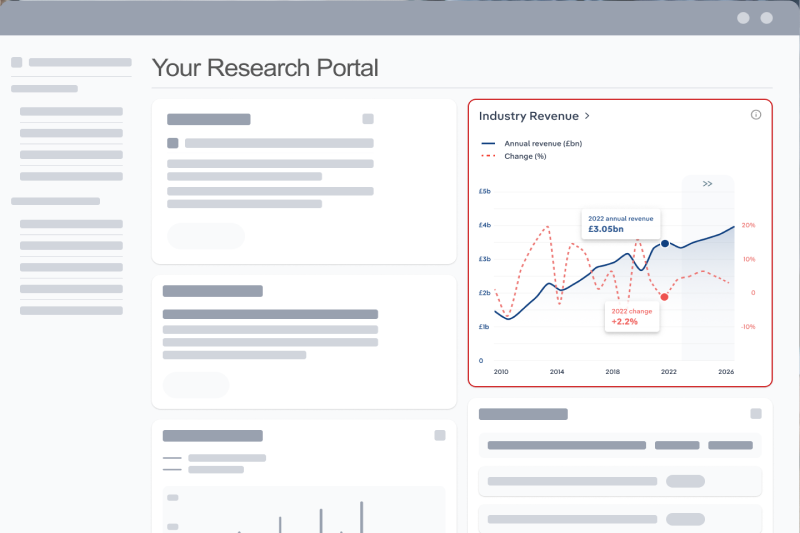
Streamline your workflow with IBISWorld’s intelligence built into your toolkit.
Explore industries with similar markets, supply chains, and economic drivers to gain broader context and insights.
| Industry | Country | Last 5-yr CAGR | Forecast 5-year CAGR | Revenue |
|---|---|---|---|---|
| Cryptocurrency Exchanges in Australia |

|
XX% | XX% | $XX |
| Money Market Dealers in Australia |
|
XX% | XX% | $XX |
| Fund Management Services in Australia |
|
XX% | XX% | $XX |
| Non-Depository Financing in Australia |
|
XX% | XX% | $XX |
When the stakes are high, you need intelligence that cuts through the noise—wherever you work.
The household savings ratio in Australia in 2027 was 6.71 percentage.
The household savings ratio in Australia declined by -1.09% in 2027.
IBISWorld’s data and analysis on household savings ratio in Australia includes forecasted growth rates over the next five years.