
IBISWorld Platform
Answer any industry question in minutes with our entire database at your fingertips.

IBISWorld estimates egg production will rise 0.2% during 2026-27, to 4.39 billion eggs. Growth has eased after a sharp rebound in 2025-26. That year, farms restocked heavily following the 2024 avian influenza outbreaks. The national flock is now largely rebuilt, so output has shifted from recovery to steady population-led demand. This explains the softer increase in 2026-27. Firm household demand and a growing population still support higher volumes. The ABS projects Australia's population to rise by 1.2% in 2026-27.Egg production is closely tied to demand. Rising health consciousness has lifted egg consumption among Australians and steady supermarket and grocery sales remain an important driver. Eggs are also among the cheapest animal proteins, which has supported demand as prices for alternatives like beef and lamb have climbed over the past five years. Australian Eggs reports that per capita consumption eased to 259 eggs in 2024-25, down from 266 the year before, as avian influenza constrained supply. Even so, consumption remains at a historically high level and underlying demand is firm.The market is also shifting towards free-range and cage-free eggs. These varieties cost more than caged eggs, but they appeal to shoppers concerned about animal welfare. Wider availability of free-range eggs has lifted per capita spending on eggs over the past decade. Coles and Woolworths had promised to remove caged eggs from their shelves by 2025, but both have since softened that timeline. Coles now targets 2030, while Woolworths has left its date open, with both citing supply disruption due to avian influenza. Animal welfare groups, including the Australian Alliance for Animals, have criticised the delay. Even so, Coles reports that 97.0% of the shell eggs it sold in its 2025 financial year were cage-free.Egg production has historically been volatile, mostly due to grain price fluctuations and diseases that can force the culling of chickens. The 2020 Victorian avian influenza outbreak was one example and the disruptions from 2024 were larger. Those 2024 outbreaks and further Victorian losses in early 2025 wiped out roughly 7.0% of national production capacity, cutting output in 2024-25 before the recovery took hold. Larger egg farms are less exposed to grain price swings, as they usually hold long-term supply contracts with grain growers and wholesalers that steady their input costs. Overall, IBISWorld estimates egg production has risen at a compound annual rate of 1.7% over the five years through 2026-27.
Curious about what drives these trends? IBISWorld's analyst coverage on the egg production includes detailled analysis on the current performance, outlook and industries affected.
1993-2034
This report analyses the number of eggs produced domestically. Given the perishable nature of eggs and the relatively low value-to-weight ratio, there is a negligible level of international trade in eggs. The number of eggs produced in Australia is largely reflective of domestic consumption. The data for this report is sourced from the Australian Bureau of Agricultural and Resource Economics and Sciences (ABARES) and is measured in billions of eggs per financial year.
IBISWorld Industry Reports are available in multiple formats to fit seamlessly into your workflow.

Answer any industry question in minutes with our entire database at your fingertips.
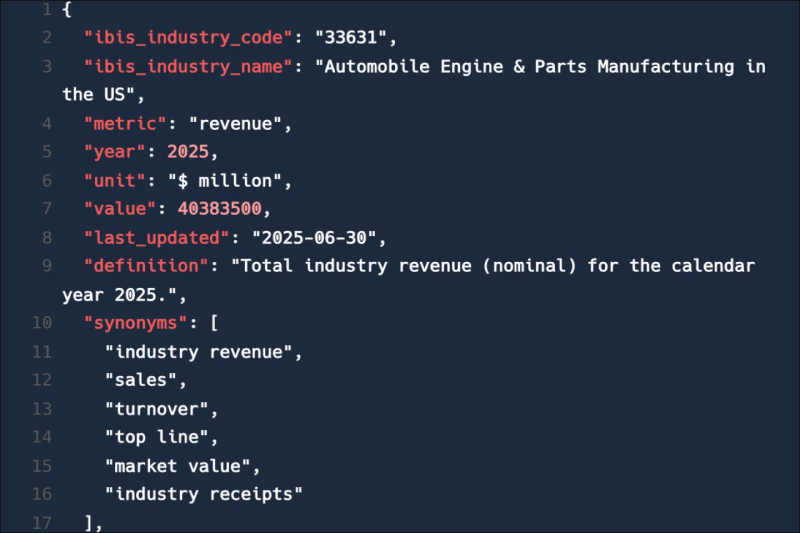
Feed trusted, human-driven industry intelligence straight into your platform.
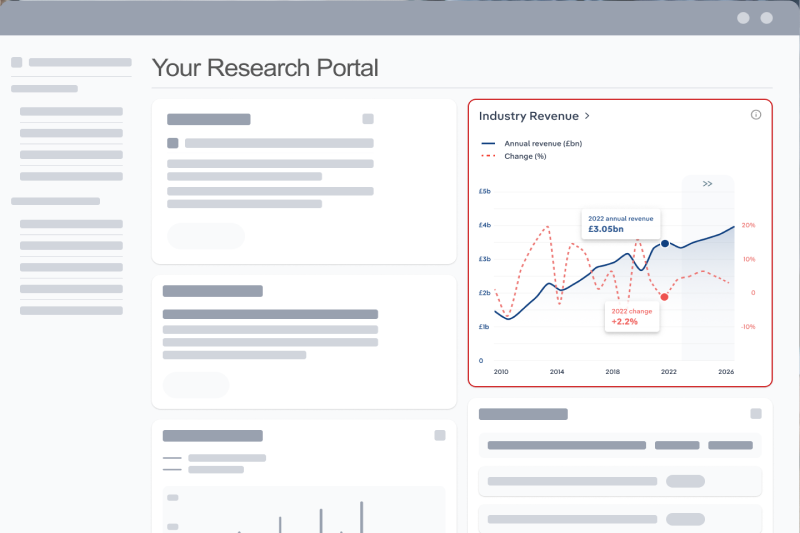
Streamline your workflow with IBISWorld’s intelligence built into your toolkit.
Explore industries with similar markets, supply chains, and economic drivers to gain broader context and insights.
| Industry | Country | Last 5-yr CAGR | Forecast 5-year CAGR | Revenue |
|---|---|---|---|---|
| Egg Farming in Australia |

|
XX% | XX% | $XX |
| Egg Farming in Australia |
|
XX% | XX% | $XX |
When the stakes are high, you need intelligence that cuts through the noise—wherever you work.
The egg production in Australia in 2027 was 4.39 billion.
The egg production in Australia grew by 1.68% in 2027.
IBISWorld’s data and analysis on egg production in Australia includes forecasted growth rates over the next five years.