
IBISWorld Platform
Answer any industry question in minutes with our entire database at your fingertips.

IBISWorld expects the domestic price of vegetables to inch upwards by 0.3% to reach 144.2 index points in 2025-26. This rise in 2026 is expected due to several ongoing pressures. As a hangover from a previously low cash rate, inflation is forecast to remain above the Reserve Bank's target, which is expected to push food prices, including vegetable prices, higher. Growers are additionally facing higher production costs, especially for labour, along with increases in fertiliser, energy and compliance expenses. Severe weather events like heatwaves and irregular rainfall are also becoming more frequent, damaging crops and reducing supply. Many growers are struggling financially and may exit the industry, which could potentially lead to further tightening of the supply. In addition to these factors, although government and ACCC scrutiny may slightly limit supermarket profit, major retailers still have sufficient influence to pass most increased costs on to consumers, making price declines unlikely.The domestic price for vegetables has skyrocketed over the last five years. The first price increase stemmed from initial supply constraints resulting from the bushfires across the nation and the impact of COVID-19 in 2020. The continuing pandemic-induced issues with the supply chain further pushed prices up through 2020-21. Then, in 2022-23, transportation expenses rose as a consequence of rising fuel prices, which in turn affected vegetable prices.The level of annual rainfall is a primary driver of vegetable production volume, which correlates strongly with vegetable prices due to its influence on production yields. Building on this, however, are a range of other influences. Demand from export markets influences domestic prices. Rising export demand shifts prices upwards in overseas markets, encouraging producers to sell vegetables to export markets rather than locally. This constrains local supplies, leading to higher domestic prices of vegetables at the retail level. Additionally, consumer health consciousness impacts vegetable consumption and prices. This has been on the rise as more Australian consumers focus on health, which comes about with more marketing efforts like the 2024 Outdoor Media Association healthy eating campaign focused on promoting better food choices in favour of healthy vegetables. The growing consumption has led to heightened prices. Overall, IBISWorld forecasts the domestic price of vegetables to grow at a compound annual rate of 3.4% over the five years through 2025-26.
Curious about what drives these trends? IBISWorld's analyst coverage on the domestic price of vegetables includes detailled analysis on the current performance, outlook and industries affected.
1990-2033
This report analyses trends in the domestic price of vegetables, measured by the consumer price index for vegetables. The index has a base of 100.0, with 2011-12 designated as the base year. The data for this report is sourced from the Australian Bureau of Statistics and represents an indexed price of vegetables as they are available for consumer purchase. The index is the average indexed price of vegetables over each financial year.
IBISWorld Industry Reports are available in multiple formats to fit seamlessly into your workflow.

Answer any industry question in minutes with our entire database at your fingertips.
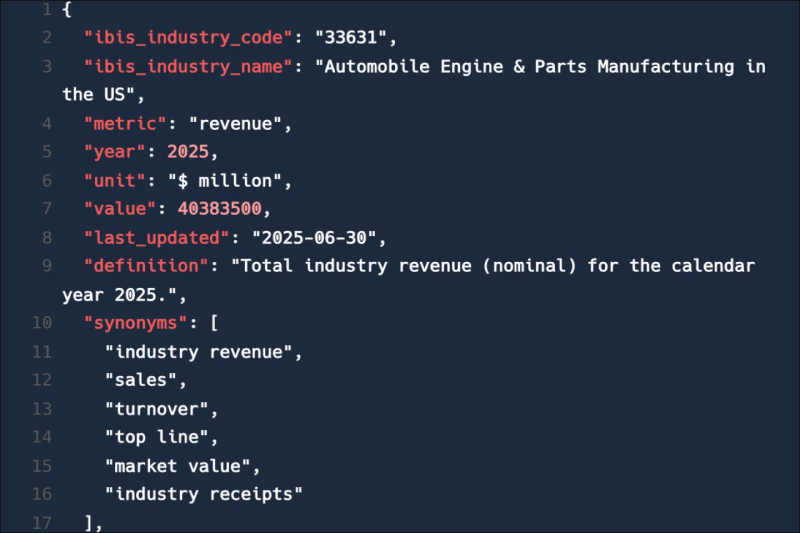
Feed trusted, human-driven industry intelligence straight into your platform.
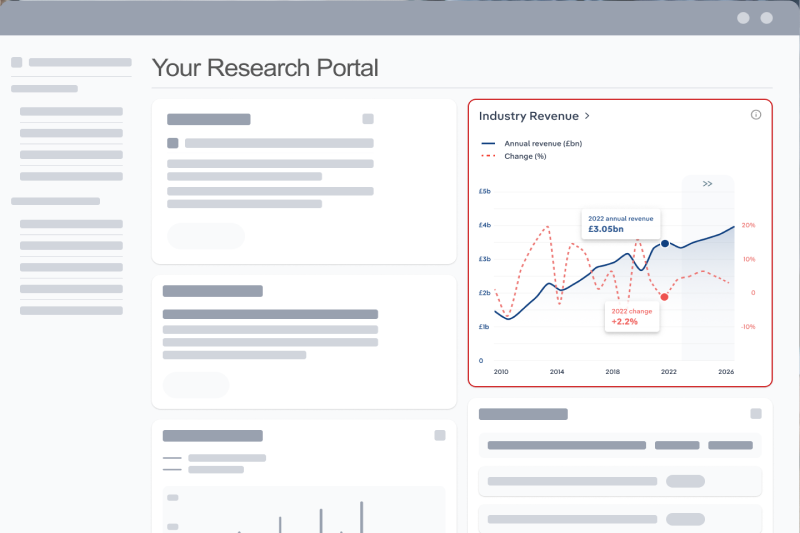
Streamline your workflow with IBISWorld’s intelligence built into your toolkit.
Explore industries with similar markets, supply chains, and economic drivers to gain broader context and insights.
| Industry | Country | Last 5-yr CAGR | Forecast 5-year CAGR | Revenue |
|---|---|---|---|---|
| Fruit and Vegetable Processing in Australia |

|
XX% | XX% | $XX |
| Fruit and Vegetable Processing in Australia |
|
XX% | XX% | $XX |
| Fruit and Vegetable Retailing in Australia |
|
XX% | XX% | $XX |
| Fruit and Vegetable Retailing in Australia |
|
XX% | XX% | $XX |
| Hydroponic Crop Farming in Australia |
|
XX% | XX% | $XX |
| Pulse Growing in Australia |
|
XX% | XX% | $XX |
| Under Cover Vegetable Growing in Australia |
|
XX% | XX% | $XX |
| Fruit and Vegetable Wholesaling in Australia |
|
XX% | XX% | $XX |
| Fruit and Vegetable Wholesaling in Australia |
|
XX% | XX% | $XX |
| General Line Grocery Wholesaling in Australia |
|
XX% | XX% | $XX |
| Juice and Smoothie Bars in Australia |
|
XX% | XX% | $XX |
| Outdoor Vegetable Growing in Australia |
|
XX% | XX% | $XX |
| Outdoor Vegetable Growing in Australia |
|
XX% | XX% | $XX |
| Potato, Corn and Other Chip Manufacturing in Australia |
|
XX% | XX% | $XX |
When the stakes are high, you need intelligence that cuts through the noise—wherever you work.
The domestic price of vegetables in Australia in 2026 was 144.21 units.
The domestic price of vegetables in Australia grew by 3.42% in 2026.
IBISWorld’s data and analysis on domestic price of vegetables in Australia includes forecasted growth rates over the next five years.