IBISWorld Platform
Answer any industry question in minutes with our entire database at your fingertips.

IBISWorld expects the domestic price of fruit to increase by 1.4% during 2025-26 to reach 127.0 index points. Despite production being set to climb throughout the year, the value of fruit exports is forecast by the Australian Bureau of Agricultural and Resource Economics and Sciences (ABARES) to climb strongly during 2025-26, tightening local supply and keeping prices elevated. Furthermore, cost pressures like rising fuel and fertiliser costs, linked to geopolitical tensions, have flowed through to production costs. At the same time, floods in key growing regions in Queensland have also disrupted supply chains. Domestic retail prices of fruit are affected by two major factors: agricultural output and the retail trading landscape. Agricultural output is primarily a function of weather conditions. Farmers are at the mercy of rainfall, relying on rainfall occurring at the right time of year and in the right quantities to maximise production. While most farmers have irrigation systems, these systems still require an adequate water supply from rivers and dams. The level of annual rainfall has fluctuated significantly over the past few years, making it difficult for farmers to maintain consistent output. When fruit supplies are abundant, prices fall at the retail level. In contrast, fruit shortages push prices upwards. Supply fluctuations have contributed to volatile domestic fruit prices in recent years.The retail landscape has come under intensified media scrutiny over the past few years. Major supermarkets, including Coles, Woolworths and Aldi, have been accused of unethical pricing strategies across many products, including fresh produce. In 2024-25, the ACCC began an investigation into loss-leader marketing techniques that major supermarkets use to entice customers by selling fresh produce at a loss. The stark deviation between farmgate and retail prices has also come under media scrutiny, with many farmers becoming increasingly unhappy with the terms of their supply contracts. However, the growing demand for Australian fruit in foreign markets has provided an alternative sales channel, pushing up domestic prices in recent years. High prices for Australian fruit in foreign markets have incentivised some producers to sell fruit to export markets, rather than domestic markets, highlighted by the value of fruit exports expected to climb at an average of 6.3% per year from 2020-21 to 2025-26, according to ABARES. This production stream can limit local supply, increasing domestic fruit prices at the retail level. Inflation has remained high over the past five years, placing upwards pressure on domestic fruit prices. This trend has kept upstream purchase costs for fertiliser and other agricultural inputs elevated, with fruit farmers and wholesalers attempting to pass costs down through the supply chain. Overall, IBISWorld forecasts the domestic price of fruit to grow at a compound annual rate of 3.5% over the five years through 2025-26.
Curious about what drives these trends? IBISWorld's analyst coverage on the domestic price of fruit includes detailled analysis on the current performance, outlook and industries affected.
1990-2033
This report analyses the domestic price of fruit. Data is represented as the consumer price index for fruit. The data for this report is sourced from the Australian Bureau of Statistics and is measured in index points per financial year. The index has a base year of 2011-12.
IBISWorld Industry Reports are available in multiple formats to fit seamlessly into your workflow.

Answer any industry question in minutes with our entire database at your fingertips.
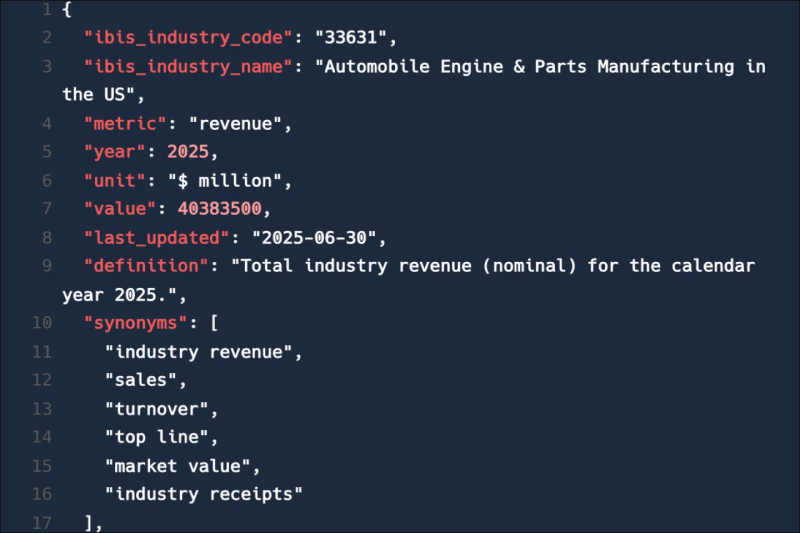
Feed trusted, human-driven industry intelligence straight into your platform.
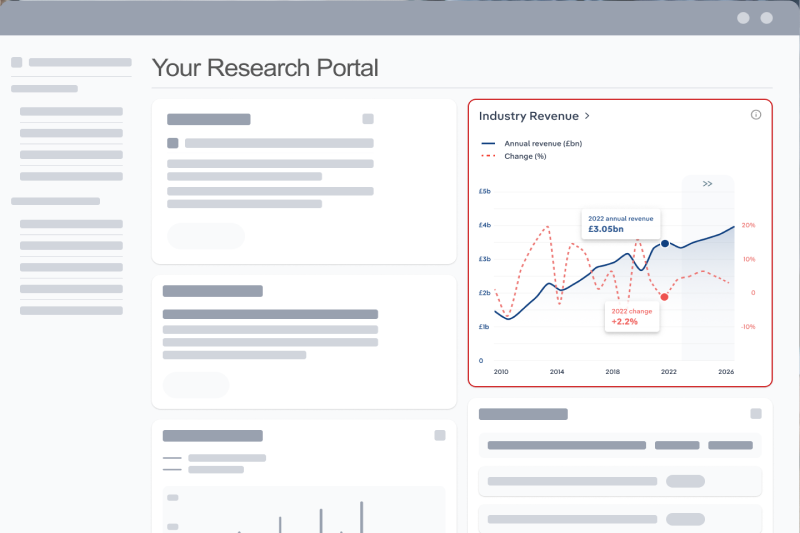
Streamline your workflow with IBISWorld’s intelligence built into your toolkit.
Explore industries with similar markets, supply chains, and economic drivers to gain broader context and insights.
When the stakes are high, you need intelligence that cuts through the noise—wherever you work.
The domestic price of fruit in Australia in 2026 was 127 index points.
The domestic price of fruit in Australia grew by 3.54% in 2026.
IBISWorld’s data and analysis on domestic price of fruit in Australia includes forecasted growth rates over the next five years.