
IBISWorld Platform
Answer any industry question in minutes with our entire database at your fingertips.

IBISWorld forecasts the cash rate to dip by 0.33 percentage points in 2025-26, to average 3.90%. The drop is largely driven by the two rate cuts that occurred in May 2025 and August 2025. However, between February and March 2026, the RBA raised the cash rate by 50 basis points to 4.10%, the highest since April 2025. The recent rate hike and the possibility of another in May 2026 will help offset the cash rate dip in 2025-26. Mounting inflationary pressure in the second half of 2025 prompted the central bank's decision. A 0.4% uptick in the Consumer Price Index in January 2026 has further intensified pressure on the RBA to monitor conditions closely and consider another increase in May 2026. Robust private-sector demand from households and businesses is driving up price pressures and economic expansion. According to the central bank, the labour market has also remained tighter than previously anticipated, thanks to relatively low labour underutilisation and unemployment rates. Furthermore, conflict between the United States and Iran has propelled crude oil prices. Given Australia's reliance on imported petroleum products, rising fuel prices will likely add upward pressure to Australia's inflation outlook. The RBA has warned that escalating and prolonged tensions in the Middle East pose an upside risk to inflation, justifying the RBA's hawkish stance for the rest of the year.At the beginning of the past five years, Australia's economic growth was recovering from 2019-20's 0.3% dip due to border closures and state-wide lockdowns. The economic contraction and lagging expansion prompted the Reserve Bank of Australia (RBA) to implement expansionary fiscal and monetary policies, including cutting the cash rate and introducing government stimuli like the JobKeeper Payment. In March 2020, amid the onset of the COVID-19 pandemic, the RBA held an emergency meeting and slashed the cash rate twice. Facing its first recession in nearly 30 years, the RBA further reduced the cash rate by 15 basis points to a historic low of 0.10% in November 2020 to support economic recovery.The cash rate remained at 0.10% until May 2022. Following this period, the RBA has implemented a more contractionary policy - as the economy opened back up in 2023 and 2024 - to combat rising inflation whilst balancing the cash rate climb with employment figures, wage growth and consumer spending. These expansionary policies have limited further deterioration in economic conditions and contributed to the rapid economic recovery during the period. Nonetheless, the expansionary policy has also introduced other challenges. As lockdowns began to ease, pent-up demand and the resurgence of the tourism sector have driven prices upwards. The surge in demand and persistent supply chain disruptions, driven by events like the Russia-Ukraine conflict, have led to unbalanced demand-supply conditions, lifting the general cost of living - with many goods and services seeing higher prices. The demand-supply imbalance has propelled many households' cost of living, prompting the RBA to hike the cash rate since May 2022. As inflationary pressure eased, the RBA stopped raising rates and began its easing cycle in February 2025. Still, the aggressive rate hikes over most of the five-year period are why IBISWorld forecasts the cash rate to rise at an average annual rate of 0.72 percentage points over the five years through 2025-26.
Curious about what drives these trends? IBISWorld's analyst coverage on the cash rate includes detailled analysis on the current performance, outlook and industries affected.
1991-2033
This report analyses the Australian cash rate target. The cash rate is the interest rate that authorised deposit-taking institutions pay or charge for overnight funds. The cash rate target is controlled by the Reserve Bank of Australia (RBA) and is the main monetary policy tool of the RBA in signalling their stance and decision of easing or tightening policy. The RBA board meets on the first Tuesday of every month and decides whether to change the cash rate and by how much. Changes to the cash rate tend to be made in 25 basis point increments. The main objectives for the bank when adjusting the rate are to keep inflation within the target of 2-3%, maintain full employment and ensure the economic prosperity and welfare of Australians. The data for this report is sourced from the RBA and is presented as the average cash rate over each financial year.
IBISWorld Industry Reports are available in multiple formats to fit seamlessly into your workflow.

Answer any industry question in minutes with our entire database at your fingertips.
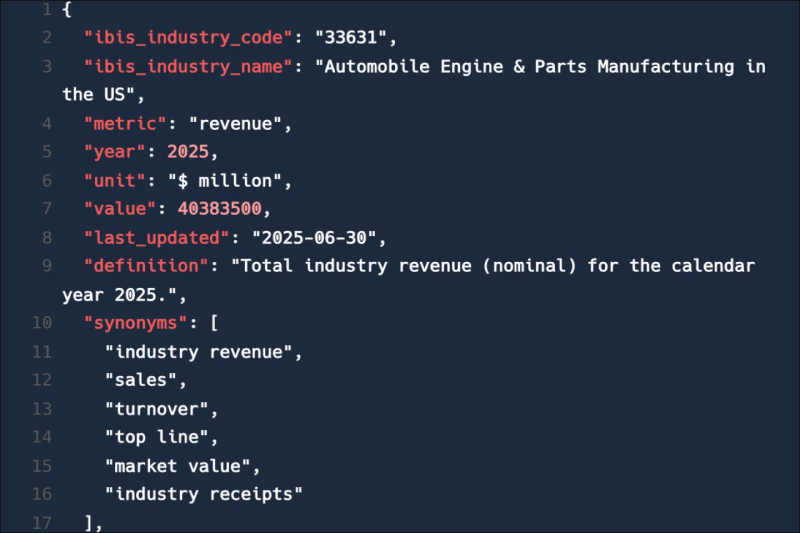
Feed trusted, human-driven industry intelligence straight into your platform.
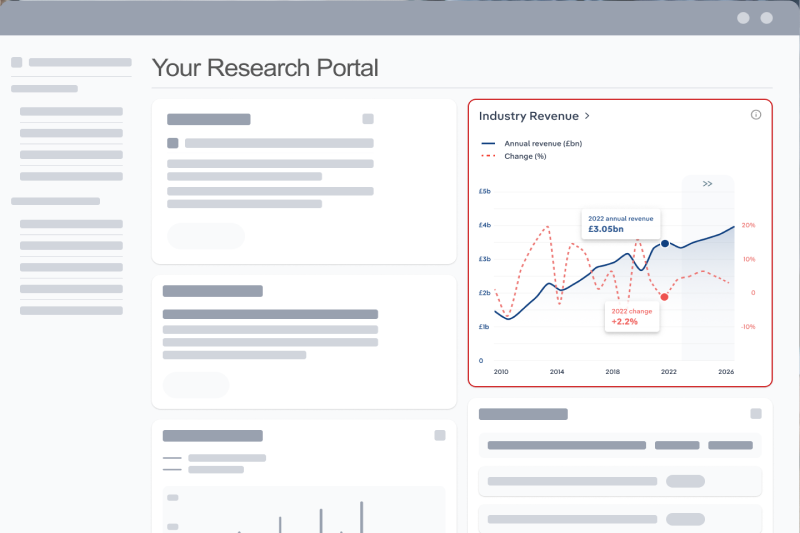
Streamline your workflow with IBISWorld’s intelligence built into your toolkit.
Explore industries with similar markets, supply chains, and economic drivers to gain broader context and insights.
When the stakes are high, you need intelligence that cuts through the noise—wherever you work.
The cash rate in Australia in 2026 was 3.9 percentage.
The cash rate in Australia grew by 0.75% in 2026.
IBISWorld’s data and analysis on cash rate in Australia includes forecasted growth rates over the next five years.