
IBISWorld Platform
Answer any industry question in minutes with our entire database at your fingertips.

IBISWorld expects beef and veal production to drop by 2.9% during 2025-26 to 2,684.2 kilotonnes, following a significant increase in the previous year. However, it is still expected to exceed early-2020 levels as slaughter activity near decade high levels. A bigger portion of the herd is now mature and market-ready after herd rebuilding between 2020-21 and 2022-23. ABARES expects slaughter numbers to remain above 9 million head in 2025-26, but still fall 2.9% from 2024-25 levels. Carcass weights are also set to fall slightly due to drier weather conditions, further weakening production volumes.Medium-term production growth was supported by strong processing capacity and attractive export fundamentals. New and expanded processing facilities provided increased potential slaughter capacity from 2024-25. Global market conditions also impact Australian beef and veal production.Global market conditions also support Australian beef. Firm export prices encouraged farmers and processors to maintain high turn-off rates. While overall beef and veal production is set to fall 2.9% during 2025-26, ABARES is forecasting a decline in export volumes of only 2.2%, highlighting strong demand from the US and China in particular. Despite export volumes falling, the value of exports is set to rise, as weak global production has driven up world beef prices.The US beef sector is in the process of rebuilding its herds, while other rivals' supply is limited by drought and legislative limitations. Brazil remains a key competitor, although high effective US tariffs, set at 26.4% at the beginning of 2025 to as much as 76.4% (before falling back to original rates in November) have occasionally undermined Brazilian beef's viability in the US market, creating extra room for Australian goods. Expanded access under trade agreements, like tariff reductions in Asia and the United Kingdom also boosted export demand.Overall, IBISWorld expects beef and veal output to grow at a compound annual rate of 6.8% over the five years through 2025-26. This growth represents stable herd rebuilding, improved seasonal conditions, and sustained global demand for Australian beef.
Curious about what drives these trends? IBISWorld's analyst coverage on the beef and veal production includes detailled analysis on the current performance, outlook and industries affected.
1975-2033
This report analyses the volume of beef and veal produced in Australia. Beef and veal are produced from beef cattle sold by feedlots and pasture farmers to abattoirs. Beef and veal production is measured in kilotonnes and represents the carcass weight of total beef and veal produced in Australia. This includes the carcass equivalent of canned meats. Data for this report is gathered from the Australian Bureau of Agricultural and Resource Economics and Sciences (ABARES).
IBISWorld Industry Reports are available in multiple formats to fit seamlessly into your workflow.

Answer any industry question in minutes with our entire database at your fingertips.
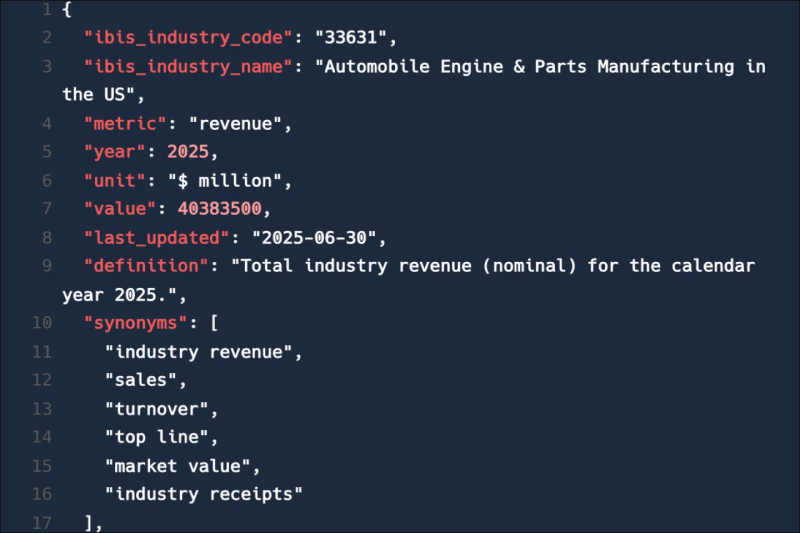
Feed trusted, human-driven industry intelligence straight into your platform.
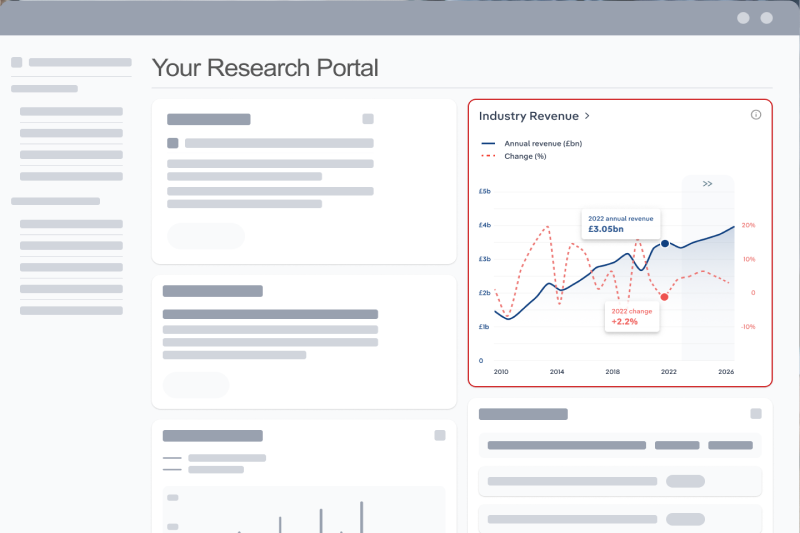
Streamline your workflow with IBISWorld’s intelligence built into your toolkit.
Explore industries with similar markets, supply chains, and economic drivers to gain broader context and insights.
| Industry | Country | Last 5-yr CAGR | Forecast 5-year CAGR | Revenue |
|---|---|---|---|---|
| Beef Cattle Farming in Australia |

|
XX% | XX% | $XX |
| Beef Cattle Farming in Australia |
|
XX% | XX% | $XX |
| Meat Processing in Australia |
|
XX% | XX% | $XX |
| Beef Cattle Feedlots in Australia |
|
XX% | XX% | $XX |
| Beef Cattle Feedlots in Australia |
|
XX% | XX% | $XX |
| Meat Processing in Australia |
|
XX% | XX% | $XX |
When the stakes are high, you need intelligence that cuts through the noise—wherever you work.
The beef and veal production in Australia in 2026 was 2,684.2 kilotonne.
The beef and veal production in Australia grew by 6.79% in 2026.
IBISWorld’s data and analysis on beef and veal production in Australia includes forecasted growth rates over the next five years.