
IBISWorld Platform
Answer any industry question in minutes with our entire database at your fingertips.

IBISWorld forecasts the number of aircraft kilometres flown by Australian domestic and regional airlines to rise by 2.7% in 2025-26, to 588.7 million kilometres. Aircraft kilometres flown are rising in 2025-26 as airlines like Qantas and Virgin take delivery of new planes and reconfigure cabins to add more seats per flight, according to company updates. With passenger demand strengthening and tourism expected to continue growing in 2026, airlines are set to increase the number of flights, particularly on major routes and expand regional operations to support resource projects. At the same time, conflict between the United States and Iran has pushed up oil prices in the second half of 2025-26 and a cash rate hike in February 2026 is putting additional pressure on household budgets, pricing some consumers out of domestic air travel. Returning Australians and elevated interstate travel will partly offset this, supporting total aircraft kilometres flown.The expansion of low-cost airlines over the past two decades has heavily influenced aircraft kilometres flown within Australia. These airlines, including Jetstar and Tigerair, have given consumers the chance to fly more frequently. Jetstar and Tigerair have represented the low-cost businesses of Australia's largest airlines, Qantas and Virgin Australia. Yet, the pandemic collapsed demand for domestic airfares, and Virgin Australia retired the Tigerair brand in March 2020 amid the company's financial struggles and entry into voluntary administration. As restrictions have eased and demand has gradually rebuilt, Virgin Australia has re-entered the domestic market. In 2022, regional airline Rex announced it was expanding into the market for intercity airline travel. This announcement means that nine domestic routes are serviced by three competing airlines. This, along with Bonza's entry in early 2023, temporarily increased competition and supported lower airfares. However, with Bonza entering liquidation and Rex scaling back to regional routes under Commonwealth support by September 2025, most main city routes have returned to a duopoly controlled by Qantas Group and Virgin Australia, reducing competitive pressure on fares and service standards. Rex then exited administration after US firm Air T took full control of the airline in late 2025, stabilising its operations.Prior to the pandemic, Qantas and Virgin focused on optimising seat capacity, leading to fewer, less profitable flights being cut from schedules. This practice, also known as route optimisation, resulted in the number of aircraft kilometres flown creeping downwards in 2017-18 and 2018-19. This result came despite solid demand growth for domestic tourism, with a weak Australian dollar discouraging international travel. Route optimisation constrained supply and heightened the price of airfares, which resulted in many Australians using cars as their mode of transport instead of flying in a plane. As travel restrictions eased in 2022, labour shortages and the inflated price of jet fuel have constrained Qantas and Virgin's capacity to service rising demand, which has led to an uptick in cancellations and delays. This trend slowed an otherwise strong recovery in 2021-22 and 2022-23 from coming back to pre-pandemic levels.Australian airlines like Qantas and Virgin had begun streamlining their route networks (optimising seat capacity, meaning less profitable flights were cut from schedules) even before the onset of COVID-19. In the post-pandemic period, this focus on route optimisation and disciplined capacity management has become even more pronounced. According to recent data from BITRE and the ACCC, both domestic and international flight frequencies and passenger volumes only returned to or surpassed pre-pandemic levels in 2025. In the intervening years, carriers have prioritised profitable routes and gradual network expansion, balancing demand recovery with operational sustainability. This strategic approach highlights a broader trend towards measured growth and margin protection across airlines. Overall, domestic and regional aircraft-kilometres are set to increase sharply from 2021 to 2026, with a projected compound annual growth rate of 16.0% through 2025-26. This rebound reflects the low point during pandemic restrictions in 2021 but also the ongoing growth in passenger demand, tourism and new fleet deliveries. All driving an upward trend.
Curious about what drives these trends? IBISWorld's analyst coverage on the aircraft kilometres flown includes detailled analysis on the current performance, outlook and industries affected.
1985-2033
This report analyses trends in the number of aircraft kilometres flown by domestic and regional airlines within Australia. Domestic aviation travel is predominantly used for recreational holidays, business purposes, and mail and freight transport. The data for this report is gathered from the Bureau of Infrastructure, Transport and Regional Economics.
IBISWorld Industry Reports are available in multiple formats to fit seamlessly into your workflow.

Answer any industry question in minutes with our entire database at your fingertips.
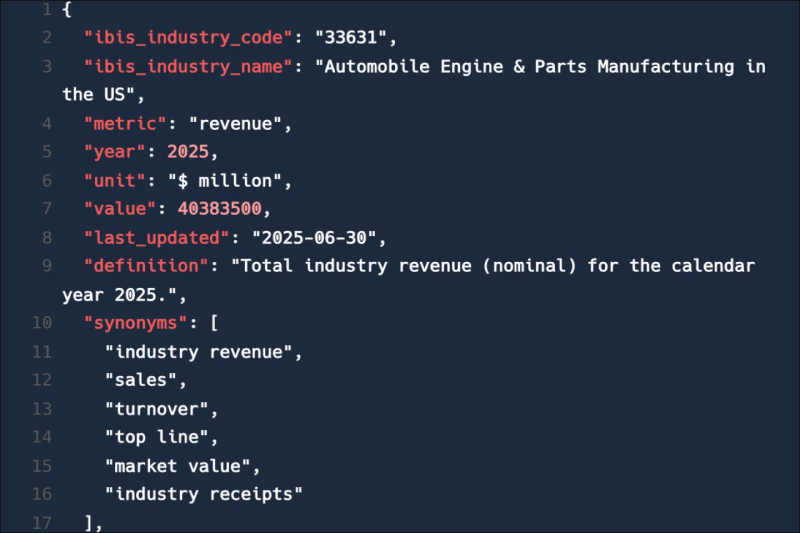
Feed trusted, human-driven industry intelligence straight into your platform.
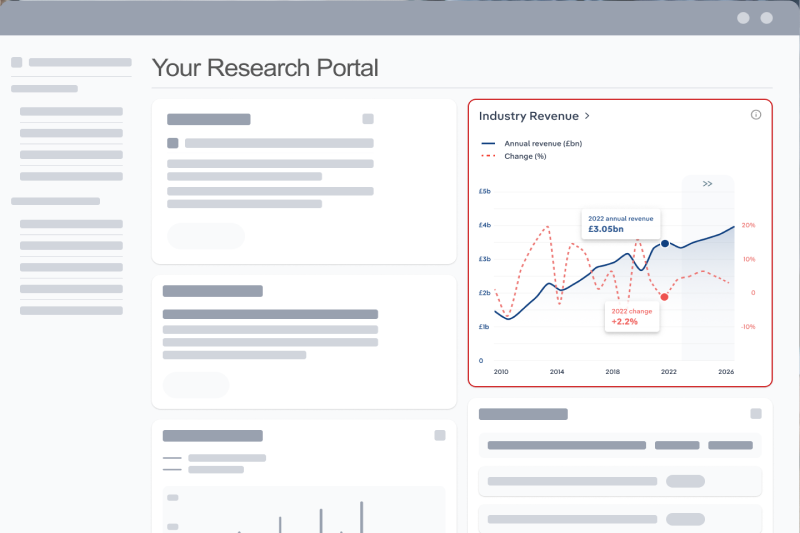
Streamline your workflow with IBISWorld’s intelligence built into your toolkit.
Explore industries with similar markets, supply chains, and economic drivers to gain broader context and insights.
| Industry | Country | Last 5-yr CAGR | Forecast 5-year CAGR | Revenue |
|---|---|---|---|---|
| Catering Services in Australia |

|
XX% | XX% | $XX |
| Bulk Fuel Storage in Australia |
|
XX% | XX% | $XX |
| Non-Scheduled Air Transport in Australia |
|
XX% | XX% | $XX |
| Air Freight Services in Australia |
|
XX% | XX% | $XX |
| Catering Services in Australia |
|
XX% | XX% | $XX |
| Aircraft Manufacturing & Repair Services in Australia |
|
XX% | XX% | $XX |
| Domestic Airlines in Australia |
|
XX% | XX% | $XX |
| Rail, Air and Sea Freight Forwarding in Australia |
|
XX% | XX% | $XX |
| Rail, Air and Sea Freight Forwarding in Australia |
|
XX% | XX% | $XX |
| Petroleum Refining & Petroleum Fuel Manufacturing in Australia |
|
XX% | XX% | $XX |
When the stakes are high, you need intelligence that cuts through the noise—wherever you work.
The aircraft kilometres flown in Australia in 2026 was 588.7 millions of kilometres.
The aircraft kilometres flown in Australia grew by 15.97% in 2026.
IBISWorld’s data and analysis on aircraft kilometres flown in Australia includes forecasted growth rates over the next five years.