IBISWorld Platform
Answer any industry question in minutes with our entire database at your fingertips.

IBISWorld forecasts the cash rate to rise by 0.72 percentage points in 2026-27, to average 4.56%. Sustained underlying inflationary pressures that emerged in the second half of 2025-26 prompted the RBA to lift the cash rate to 4.35% in May 2026. The Bank maintained this restrictive setting at its June and August meetings. Although annual CPI inflation eased from 3.8% in June to 3.5% in July 2026, the decline largely reflected the timing of government energy rebates and slower growth in housing costs. Underlying inflation remained elevated, with trimmed mean inflation holding at 3.6% over the year to July. The RBA's hawkish communication and the major banks' recent decisions to bring forward their rate-rise forecasts support the prospect of further tightening and a prolonged period of restrictive monetary policy.Australia's elevated interest rate environment is likely to persist through 2026-27, with further tightening possible if Middle East supply disruptions keep global oil prices volatile and add to domestic inflationary pressures. Disruptions to shipping through the Strait of Hormuz have raised fuel costs, which flow through supply chains by increasing transport, material and utility expenses for producers, manufacturers and retailers. Businesses are likely to pass some of these higher costs on to consumers, particularly where margins are constrained, prolonging above-target inflation. Persistent inflation would limit the RBA's capacity to lower the cash rate and could necessitate further monetary tightening.Australia's interest rate environment has shifted sharply over the five years through 2026-27, from the pandemic-era monetary stimulus to strong monetary restraint. The RBA cut the cash rate to a record low of 0.1% in 2020-21 to support households and businesses through the recession. Low borrowing costs stimulated economic activity as pandemic restrictions eased, but strong demand later collided with global supply-chain disruptions and rising energy and commodity prices following Russia's invasion of Ukraine. These pressures drove annual CPI inflation to 7.8% in 2022, prompting the RBA to begin a sustained rate-hiking cycle. The cash rate reached 4.35% in December 2023 and remained at that level until the RBA began easing policy in February 2025. As inflationary pressures began to subside, the Bank reduced the cash rate to 3.6% by August 2025. However, geopolitical tensions in the Middle East disrupted global energy markets, interrupted the disinflation process and renewed inflationary pressures. The RBA subsequently reversed its earlier easing, lifting the cash rate to 4.35% in May 2026, where it remained as of late September 2026.
Curious about what drives these trends? IBISWorld's analyst coverage on the cash rate includes detailled analysis on the current performance, outlook and industries affected.
1991-2034
This report analyses the Australian cash rate target. The cash rate is the interest rate that authorised deposit-taking institutions pay or charge for overnight funds. The cash rate target is controlled by the Reserve Bank of Australia (RBA) and is the main monetary policy tool of the RBA in signalling their stance and decision of easing or tightening policy. The RBA board meets on the first Tuesday of every month and decides whether to change the cash rate and by how much. Changes to the cash rate tend to be made in 25-basis-point increments. The bank's main objectives when adjusting the rate are to keep inflation within the target range of 2-3%, maintain full employment and ensure the economic prosperity and welfare of Australians. The data for this report is sourced from the RBA and is presented as the average cash rate over each financial year.
IBISWorld Industry Reports are available in multiple formats to fit seamlessly into your workflow.

Answer any industry question in minutes with our entire database at your fingertips.
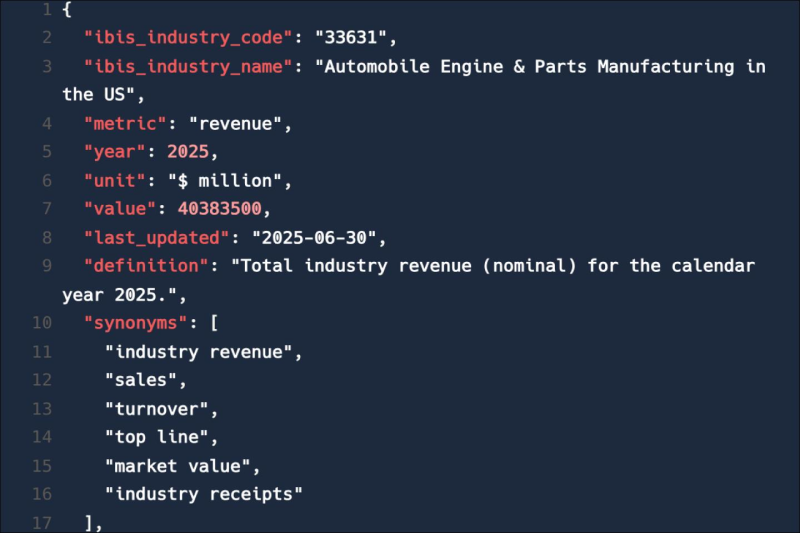
Feed trusted, human-driven industry intelligence straight into your platform.
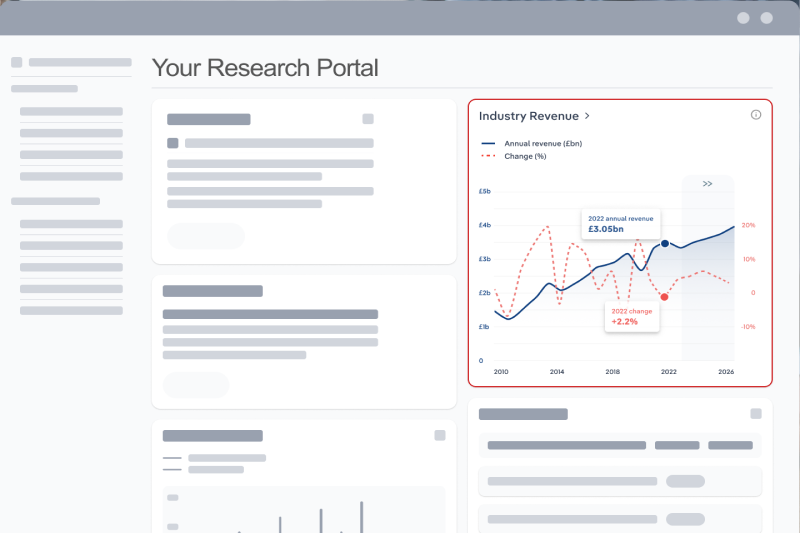
Streamline your workflow with IBISWorld’s intelligence built into your toolkit.
Explore industries with similar markets, supply chains, and economic drivers to gain broader context and insights.
When the stakes are high, you need intelligence that cuts through the noise—wherever you work.
The cash rate in Australia in 2027 was 4.56 percentage.
The cash rate in Australia grew by 0.88% in 2027.
IBISWorld’s data and analysis on cash rate in Australia includes forecasted growth rates over the next five years.