IBISWorld Platform
Answer any industry question in minutes with our entire database at your fingertips.

Research and development (R&D) expenditure is estimated to reach $901.1 billion in 2026, representing a 4.1% increase from the previous year. Advances in artificial intelligence and other emerging technologies have driven renewed interest in innovation, keeping R&D investment on an upward trajectory. While budgetary constraints have persisted due to prolonged high interest rates and lingering recessionary fears, the potential for AI-driven cost savings and windfalls have prompted businesses to keep R&D investment high.R&D expenditure followed a healthy upward trend from 2021 to 2026, increasing at a compound annual growth rate of 3.8%. Spending rose sharply in 2021 with an 8.0% increase, bringing investment above pre-pandemic levels as companies resumed projects paused during lockdowns and responded to new market opportunities created by digital transformation. However, momentum slowed in 2022 and 2023 as inflation surged and macroeconomic uncertainty grew. Businesses responded by tapering R&D investments, particularly in sectors most sensitive to consumer demand. Additionally, rising interest rates increased the cost of borrowing, further constraining capital spending. While R&D activity in manufacturing, which represents a substantial portion of private investment, continued to track closely with shifts in consumer and global trade dynamics, non-manufacturing sectors such as technology and professional services saw steadier commitment to R&D but remained indirectly exposed to broader business cycle fluctuations. Throughout the period, the share of private versus government funding remained stable, with private enterprises contributing approximately 90.0% of total expenditures. The persistent lack of significant public investment limited the counter-cyclical effect that government funding could provide, reinforcing the close correlation between R&D spending and overall corporate profitability.Technological innovation remained a critical macro trend, driving sustained investment even as challenging economic conditions persisted. Artificial intelligence, automation, and digitalization efforts across multiple industries have proven essential to maintaining competitive advantages and prompted companies to prioritize innovation despite resource constraints. Over the five years to 2026, these factors have underpinned the overall upward movement in R&D spending, as businesses aimed to capture new market segments and improve operational efficiencies in an evolving economic landscape.
Curious about what drives these trends? IBISWorld's analyst coverage on the research and development expenditure includes detailled analysis on the current performance, outlook and industries affected.
1980-2032
Research and development (R&D) expenditure represents the total funds spent by companies or the federal government on research and development performed in the United States. It is inflation-adjusted to the base year 2017. Data is sourced from the National Science Foundation.
IBISWorld Industry Reports are available in multiple formats to fit seamlessly into your workflow.

Answer any industry question in minutes with our entire database at your fingertips.
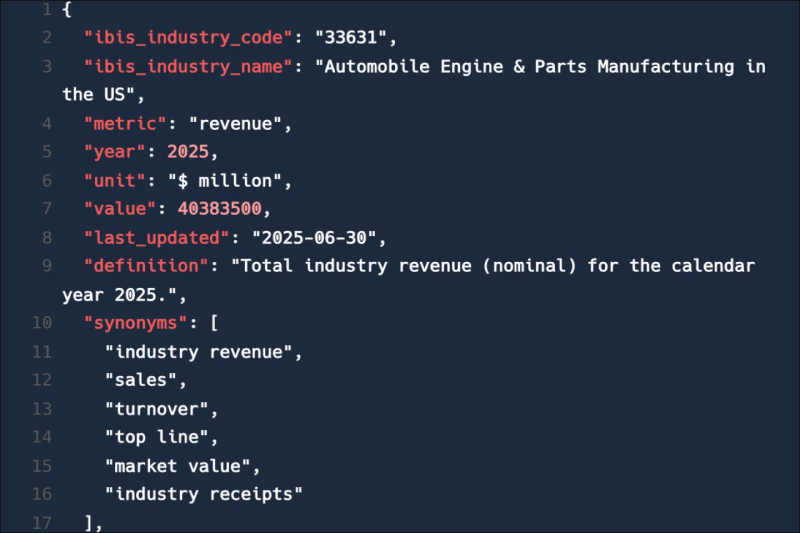
Feed trusted, human-driven industry intelligence straight into your platform.
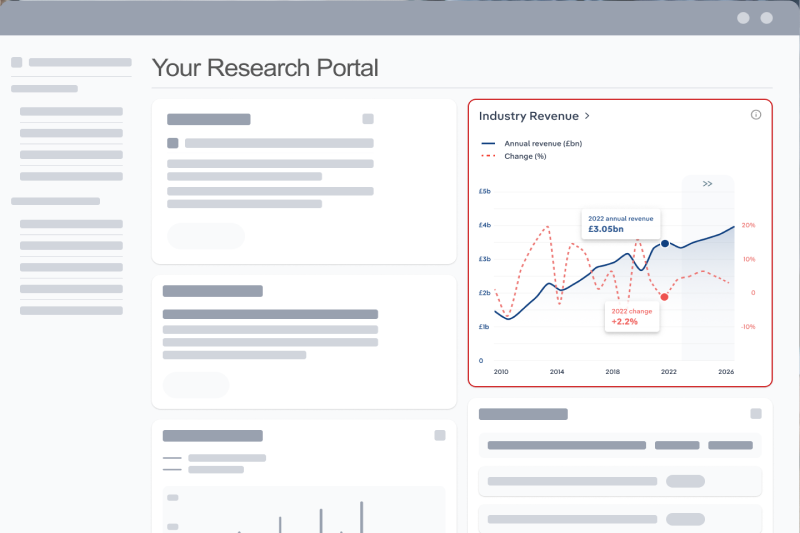
Streamline your workflow with IBISWorld’s intelligence built into your toolkit.
Explore industries with similar markets, supply chains, and economic drivers to gain broader context and insights.
When the stakes are high, you need intelligence that cuts through the noise—wherever you work.
The research and development expenditure in the US in 2026 was $901.11 billion.
The research and development expenditure in the US grew by 3.76% in 2026.
IBISWorld’s data and analysis on research and development expenditure in the US includes forecasted growth rates over the next five years.