IBISWorld Platform
Answer any industry question in minutes with our entire database at your fingertips.

Private spending on home improvements is projected to reach $271.5 billion in 2026, representing a downturn of 1.8% from 2025. Nominal outlays are edging up but lag rising material and labor costs, so real spending is shrinking. The expiry of federal tax credits for energy efficiency upgrades at the end of 2025 pulled HVAC, window and insulation projects into the prior year, leaving a gap in 2026. Tariffs remain a key headwind. Duties struck down by the Supreme Court in February were quickly replaced, while Section 232 tariffs on lumber, cabinets, vanities and metals stayed in place, keeping material costs elevated. Retail sales of building products have been flat to negative and remodeling permits have stalled. Reaccelerating inflation and the Federal Reserve's September rate hike have also lifted rates on home equity lines of credit, discouraging larger financed projects.Private spending on home improvements has edged up at an expected CAGR of 0.4% over the five years through 2026, although the flat headline masks a sharp decline and recovery. The period opened in the wake of the 2020 boom, when stay-at-home orders pulled forward a wave of renovation projects. Spending fell in 2021 and 2022 as that demand faded, while supply chain disruptions and surging material costs made many projects unaffordable. The Federal Reserve's aggressive rate hikes from 2022 then raised financing costs across the housing market.Spending began rising again in 2023 before surging 6.2% to $273.3 billion in 2024, as material availability improved, cost inflation moderated and homeowners drew on record levels of home equity. The mortgage rate lock-in effect has been a key structural support. Owners holding low-rate mortgages have been reluctant to sell and have chosen to renovate instead, while an aging housing stock has sustained demand for repairs and replacements. Home equity lines of credit regained popularity because they allow owners to borrow without giving up a low first mortgage rate. Inflation Reduction Act tax credits for heat pumps, insulation, windows and solar installations also lifted energy efficiency projects.Growth slowed in 2025. Sweeping tariffs on lumber, steel, aluminum, cabinets and vanities lifted material costs, while stricter immigration enforcement thinned the pool of contractors and tradespeople. Higher costs weighed on discretionary remodeling in the second half of the year, although a rush to complete energy efficiency installations before the One Big Beautiful Bill Act ended residential energy credits partly offset the drag. Activity has also shifted toward smaller projects and repairs, with professional contractors capturing a growing share of work as homeowners defer large remodels.
Curious about what drives these trends? IBISWorld's analyst coverage on the private spending on home improvements includes detailled analysis on the current performance, outlook and industries affected.
2002-2032
This driver measures private spending on home improvements, upgrades and repairs. This type of spending is a component of the value of residential construction, more formally known as private investment in residential structures. The data for this driver is sourced from the Bureau of Economic Analysis and is presented in chained 2017 dollars.
IBISWorld Industry Reports are available in multiple formats to fit seamlessly into your workflow.

Answer any industry question in minutes with our entire database at your fingertips.
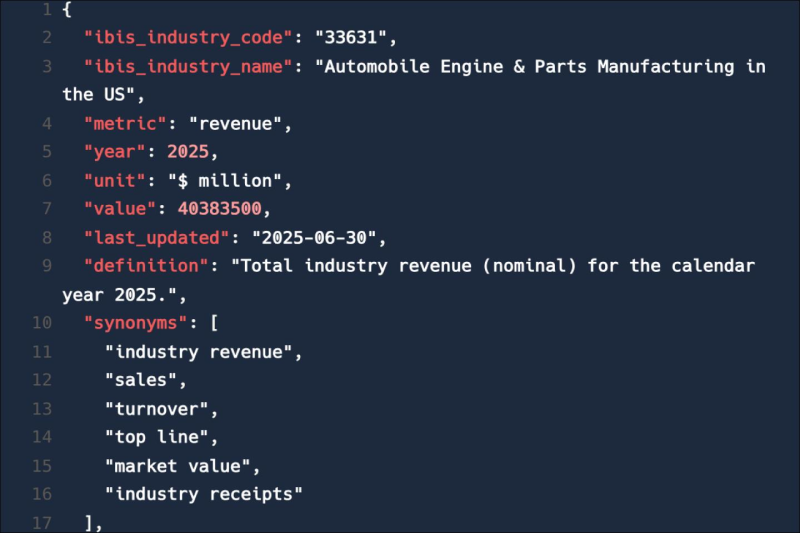
Feed trusted, human-driven industry intelligence straight into your platform.
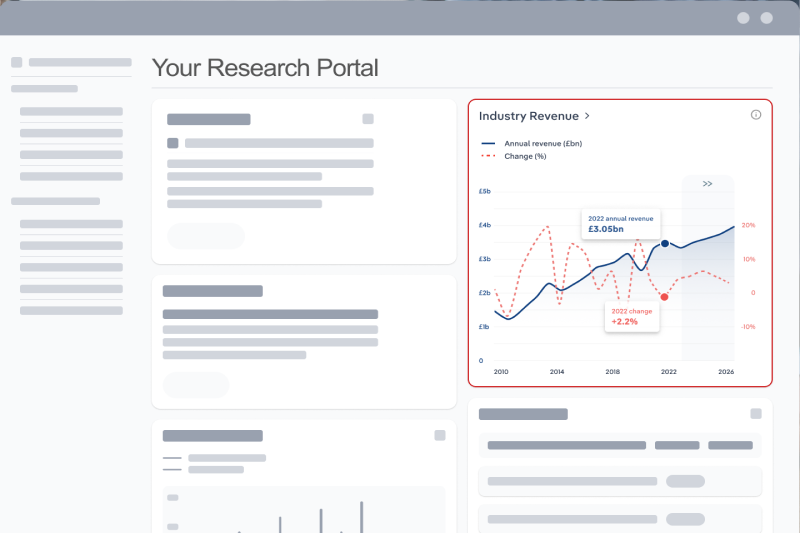
Streamline your workflow with IBISWorld’s intelligence built into your toolkit.
Explore industries with similar markets, supply chains, and economic drivers to gain broader context and insights.
When the stakes are high, you need intelligence that cuts through the noise—wherever you work.
The private spending on home improvements in the US in 2026 was $271.45 billion.
The private spending on home improvements in the US grew by 0.36% in 2026.
IBISWorld’s data and analysis on private spending on home improvements in the US includes forecasted growth rates over the next five years.