IBISWorld Platform
Answer any industry question in minutes with our entire database at your fingertips.

The price of electric power in the United States is estimated at 14.1 cents per kilowatt-hour in 2026, marking a continued trend of elevated prices attributed to persistent inflationary pressures, ongoing supply chain disruptions, and increased operating costs for electricity providers. Extreme climate events, such as heat waves and cold snaps, also put additional strain on US power grids, further challenging utilities' ability to control pricing. These factors, compounded by persistent global instability and lapsing supply from the Russia-Ukraine war, have helped sustain upward pressure on electricity prices through 2026.Electricity prices in the United States rose at a compound annual growth rate of 4.9% throughout the five years to 2026. The trend was shaped by significant volatility from the COVID-19 pandemic's recovery, global energy market disruptions and US economic normalization. As pandemic restrictions eased and the economy reopened in 2021, electricity usage surged, driving a 4.8% price increase. The price of energy accelerated in 2022, growing by 11.4% year-over-year as the onset of the Russian invasion of Ukraine tightened global fuel supply chains and raised the cost of natural gas and oil. Supply chain bottlenecks, inflation and elevated prices for key grid materials like aluminum also contributed to this spike. Inflationary pressures persisted in 2023, but stabilizing input cost volatility led to a more moderate growth in energy prices in 2023 and 2024. The generation mix transitioned from coal to natural gas and nuclear power over the period, reflecting broader trends toward cleaner-burning sources and technological advances in natural gas extraction methods.Climate-related stressors on the US energy infrastructure have also become a notable trend within the period, as utilities incurred added expenditures for system fortification, maintenance, and modernization to address increased weather-related disruptions. These necessary investments, coupled with inflation, sustained an upward trajectory in electricity prices. Regulatory environments at the federal and state levels have continued to mitigate price escalation to some extent, but persistent upward pressure has been evident through the current period.Energy prices escalated faster in 2025 and 2026 as rampant construction of data centers and AI infrastructure are outpacing supply. Many energy companies are also passing down new grid modernization investments downstream through price hikes. While protectionist trade policies have elevated oil and natural gas import costs in 2025 and 2026, a number of tariff exemptions and reductions for energy products have made their effect more modest. Additionally, heightened natural gas prices are driving energy price growth in early 2026 as frigid conditions amid Winter Storm Fern raised heating demand, cut production and led to significant inventory withdrawals. Still, mounting oil production worldwide is set to outpace demand and temper price growth in 2026 behind 2025 growth.As a result, US electricity prices rose from 11.1 cents in 2021 to 14.1 cents in 2026, reflecting the convergence of higher input costs; increased demand volatility from macro shocks; supply chain constraints; production strain from extreme weather; inflation-driven cost pass-through by utilities; and surging AI infrastructure construction.
Curious about what drives these trends? IBISWorld's analyst coverage on the price of electric power includes detailled analysis on the current performance, outlook and industries affected.
1980-2032
The price of electric power represents the average price of all electric power purchased by residential, commercial, industrial and transportation clients. Data and forecasts are sourced from the US Department of Energy.
IBISWorld Industry Reports are available in multiple formats to fit seamlessly into your workflow.

Answer any industry question in minutes with our entire database at your fingertips.
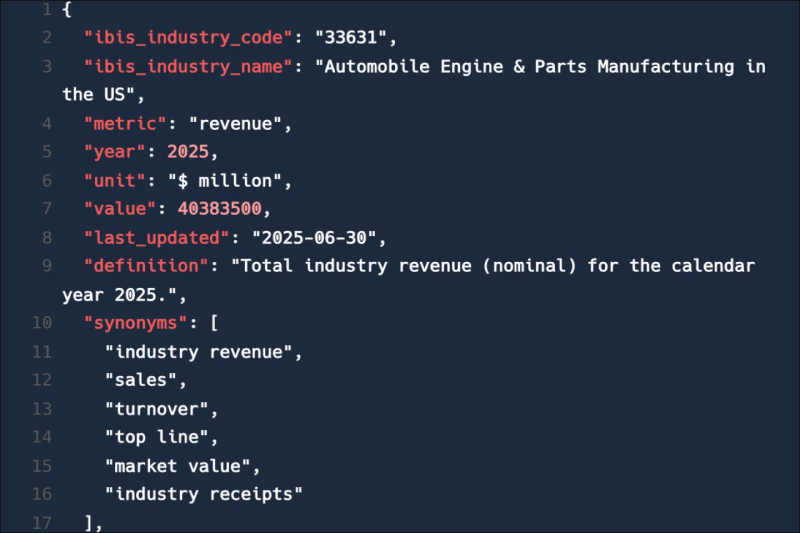
Feed trusted, human-driven industry intelligence straight into your platform.
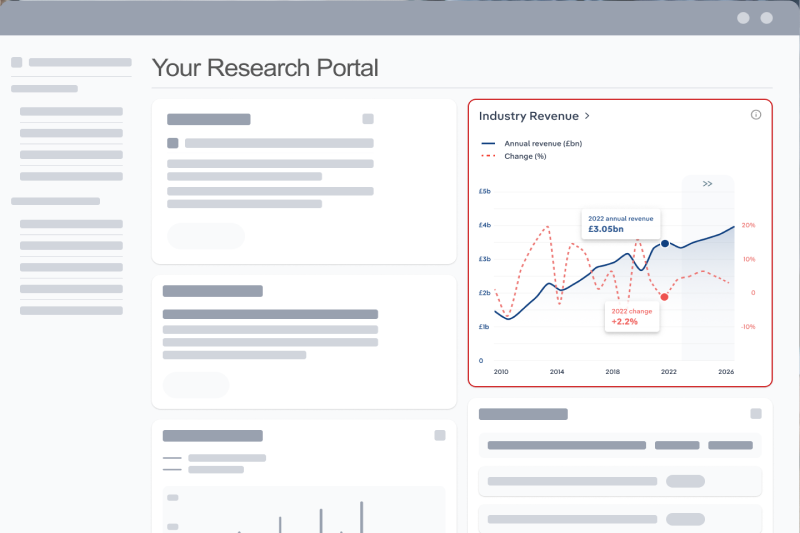
Streamline your workflow with IBISWorld’s intelligence built into your toolkit.
Explore industries with similar markets, supply chains, and economic drivers to gain broader context and insights.
When the stakes are high, you need intelligence that cuts through the noise—wherever you work.
The price of electric power in the US in 2026 was 14.08 cents.
The price of electric power in the US grew by 4,87% in 2026.
IBISWorld’s data and analysis on price of electric power in the US includes forecasted growth rates over the next five years.