IBISWorld Platform
Answer any industry question in minutes with our entire database at your fingertips.

In 2025, per capita tea consumption in the United States is estimated to reach 0.86 pounds, reflecting ongoing moderate declines in demand. This performance is being driven by an increasing preference for alternative beverages, with both tea and coffee becoming less popular for younger demographics. However, perceptions of tea's health benefits, especially compared to coffee, have supported a shift among some consumers. Nevertheless, the segment faces headwinds from the expanding popularity of energy drinks, which has partially offset gains in tea and coffee consumption.Over the five years to 2025, per capita tea consumption is projected to decrease at an annualized rate of 0.1%, falling from 0.87 pounds in 2020 to 0.86 pounds in 2025. This overall decline has been influenced by a combination of macro consumer trends and competitive beverage market dynamics. The public image of tea, rooted in health claims about antioxidants and lower caffeine levels relative to coffee, has drawn some users away from coffee, contributing to consumption. Conversely, the proliferation of energy drinks, which market themselves on convenience, has eroded the market share of other caffeinated beverages.Additional trends shaping the landscape during this time include changing consumer preferences toward wellness and the growing availability of specialty teas through both retail and foodservice channels. Americans increasingly seek functional and healthy drink options, and expanding product varieties, such as herbal and specialty teas, have attracted new consumer segments.
Curious about what drives these trends? IBISWorld's analyst coverage on the per capita tea consumption includes detailled analysis on the current performance, outlook and industries affected.
1980-2031
The annual retail disappearance of tea per person is used to measure per capita tea consumption. Data is sourced from the US Department of Agriculture (USDA).
IBISWorld Industry Reports are available in multiple formats to fit seamlessly into your workflow.

Answer any industry question in minutes with our entire database at your fingertips.
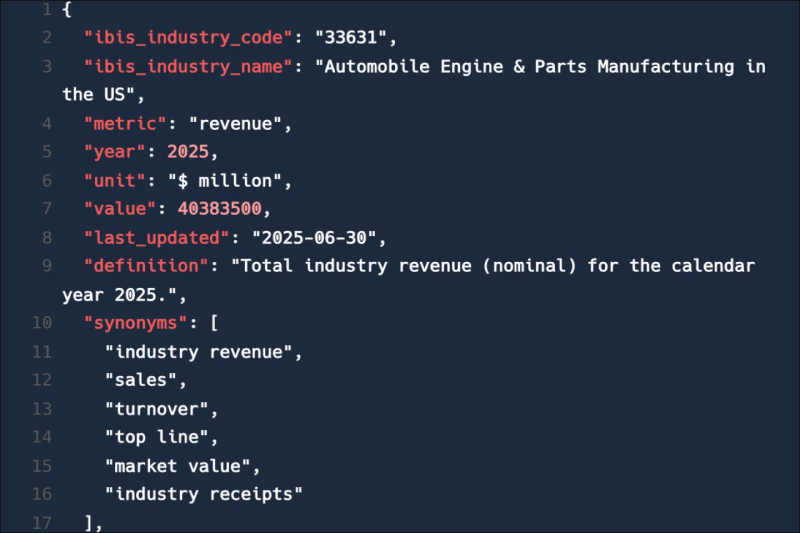
Feed trusted, human-driven industry intelligence straight into your platform.
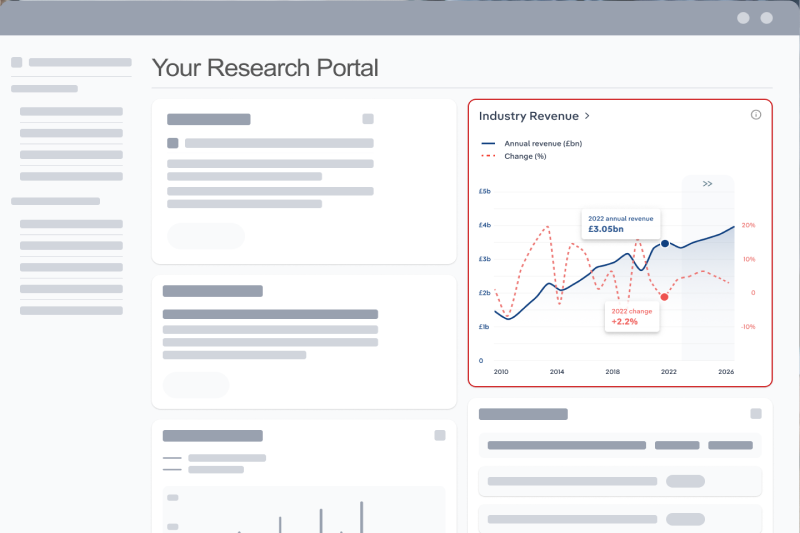
Streamline your workflow with IBISWorld’s intelligence built into your toolkit.
Explore industries with similar markets, supply chains, and economic drivers to gain broader context and insights.
| Industry | Country | Last 5-yr CAGR | Forecast 5-year CAGR | Revenue |
|---|---|---|---|---|
| Herbal Tea Production in the US |

|
XX% | XX% | $XX |
| RTD Tea Production in the US |
|
XX% | XX% | $XX |
| Tea Production in the US |
|
XX% | XX% | $XX |
| Kombucha Production in the US |
|
XX% | XX% | $XX |
| Bubble Tea Shops in the US |
|
XX% | XX% | $XX |
| Vending Machine Operators in the US |
|
XX% | XX% | $XX |
When the stakes are high, you need intelligence that cuts through the noise—wherever you work.
The per capita tea consumption in the US in 2025 was 0.86 pounds (lb).
The per capita tea consumption in the US declined by -0.2% in 2025.
IBISWorld’s data and analysis on per capita tea consumption in the US includes forecasted growth rates over the next five years.