
IBISWorld Platform
Answer any industry question in minutes with our entire database at your fingertips.

In 2025, per capita coffee consumption in the United States is estimated to reach 10.4 pounds, representing a year-over-year decrease of 1.5%. This decline is attributed to ongoing tariff and trade policy disuputes which have weighted on costs throughout the domestic economy.Over the five years to 2025, per capita coffee consumption has been marked by volatility, only increasing by an average annualized rate of 0.9%. The consumption of coffee increased by 0.9% in 2020, despite the outbreak of COVID-19 prompting strict social distancing policies.. A recovery occurred in 2021, but elevated coffee prices driven by inflation and supply chain disruptions limited a more robust return to growth. In 2022 and 2023, improved economic indicators and stabilization in the labor market helped sustain an uptick in per capita coffee consumption, as more individuals returned to offices and resumed daily routines involving on-the-go beverage purchases. However, growth was hampered again in 2024 as inflation remained high, prompting consumers to pull back on discretionary spending, including coffee, and seek savings. Additionally, extreme weather affected coffee bean crop yields during this period, causing coffee prices to rise more quickly than headline inflation.During this time, consumers became more accustomed to preparing coffee at home, aided by the rising penetration of single-cup brewing systems; as of 2019, 42.0% of households owned a single-cup brewer, contributing to a shift in coffee consumption patterns. Increased competition among suppliers of coffee beans and coffee machines also provided more options for consumers, although higher input costs constrained affordability for some households. These structural factors have made coffee cheaper and more accessible for consumers, adding to demand, but not enough to counteract declining consumption due to inflation.Over the entire period, per capita coffee consumption has been influenced by macroeconomic trends, including swings in disposable income, employment growth, and price levels. The normalization of consumer routines post-pandemic played a central role in the rebound in 2025, but generally elevated inflation and persistently high prices for drinks and food products weighed on longer-term expansion.
Curious about what drives these trends? IBISWorld's analyst coverage on the per capita coffee consumption includes detailled analysis on the current performance, outlook and industries affected.
1980-2031
Per capita coffee consumption represents the amount of coffee purchased in the equivalent weight of coffee beans per US citizen. Data is sourced from the US Department of Agriculture.
IBISWorld Industry Reports are available in multiple formats to fit seamlessly into your workflow.

Answer any industry question in minutes with our entire database at your fingertips.
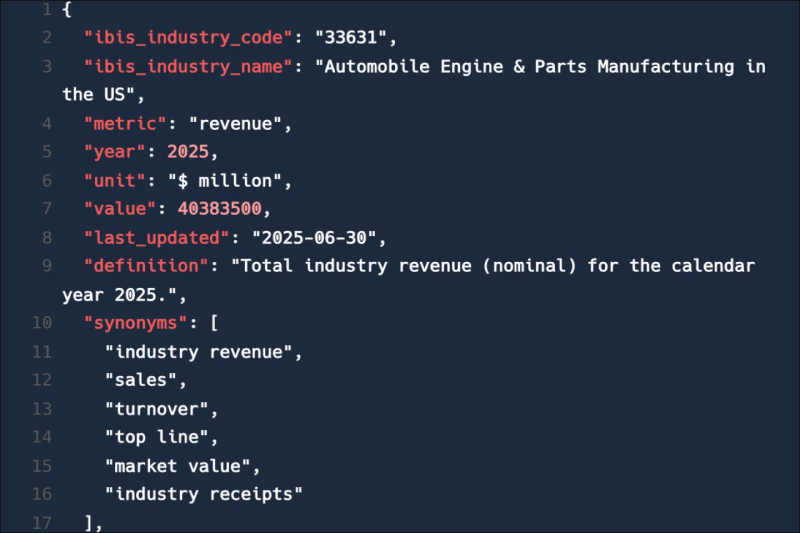
Feed trusted, human-driven industry intelligence straight into your platform.
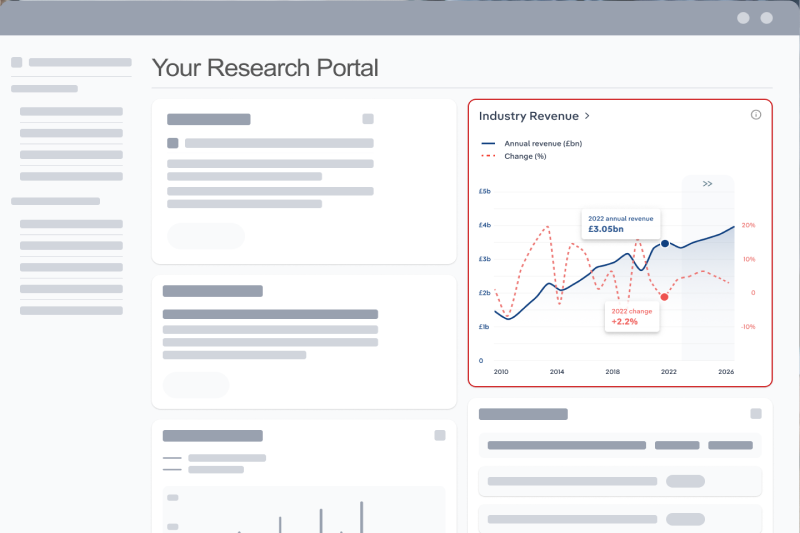
Streamline your workflow with IBISWorld’s intelligence built into your toolkit.
Explore industries with similar markets, supply chains, and economic drivers to gain broader context and insights.
| Industry | Country | Last 5-yr CAGR | Forecast 5-year CAGR | Revenue |
|---|---|---|---|---|
| RTD Coffee Production in the US |

|
XX% | XX% | $XX |
| Coffee Production in the US |
|
XX% | XX% | $XX |
| Doughnut Stores in the US |
|
XX% | XX% | $XX |
| Bakery Cafes in the US |
|
XX% | XX% | $XX |
| Coffee & Snack Shops in the US |
|
XX% | XX% | $XX |
| Coffee Creamer Production in the US |
|
XX% | XX% | $XX |
| Periodontists in the US |
|
XX% | XX% | $XX |
When the stakes are high, you need intelligence that cuts through the noise—wherever you work.
The per capita coffee consumption in the US in 2025 was 10.43 pounds (lb).
The per capita coffee consumption in the US grew by 0.88% in 2025.
IBISWorld’s data and analysis on per capita coffee consumption in the US includes forecasted growth rates over the next five years.