IBISWorld Platform
Answer any industry question in minutes with our entire database at your fingertips.

In 2026, the number of businesses in the United States is estimated to reach 8.7 million, following a period of moderate expansion. Growth has persisted despite macroeconomic headwinds, with hospitality industries showing consistent growth. Also, manufacturing and construction industries have grown with data center construction and reshoring initiatives implemented by President Trump early in his term. Still, inflation and volatile geopolitical market pressures are dampening consumer confidence, which may contribute to a gradual slowdown in the annual growth rate, particularly for smaller firms that are more sensitive to cost increases.Over the five years through 2026, the number of businesses in the United States increased at an estimated annualized rate of 1.3%. Growth was fast in 2021, rising by 1.9%, and primarily concentrated in sectors that were most impacted by the pandemic, which include accommodation and food services, retail trade, health care and transportation. This jump reflected an adaptation to job losses during the pandemic. This positive growth trend continued in 2022, as the number of businesses grew by 1.8%. From 2023 onwards, these positive trends continued, although the pace of growth moderated as inflation accelerated and pandemic-era stimulus measures expired.Macroeconomic factors such as tight labor markets due to dwindling legal immigration and an aging labor force played a key role in shaping the business environment during this period. . Digital transformation intensified as businesses increasingly adopted e-commerce and remote work models to adapt to new market realities, creating opportunities for some sectors while challenging traditional business models.From 2021 to 2026, improvements in private investment, gradual normalization in supply chains, and relative stability in broader economic indicators supported the ongoing, if moderate, growth in the number of businesses. Nonetheless, continued cost pressures, including wage growth and input price volatility, tempered the pace of new business openings, particularly among startups and small enterprises. Overall, the period was characterized by recovery from a deep contraction, adaptation to evolving consumer and market dynamics, and moderate business creation.
Curious about what drives these trends? IBISWorld's analyst coverage on the number of businesses includes detailled analysis on the current performance, outlook and industries affected.
1993-2032
This driver refers to the total number of establishments in the United States with one or more employees. This data does not include businesses with no employees, which are also called non-employer businesses. The data for this report is sourced from the US Census Bureau and County Business Patterns.
IBISWorld Industry Reports are available in multiple formats to fit seamlessly into your workflow.

Answer any industry question in minutes with our entire database at your fingertips.
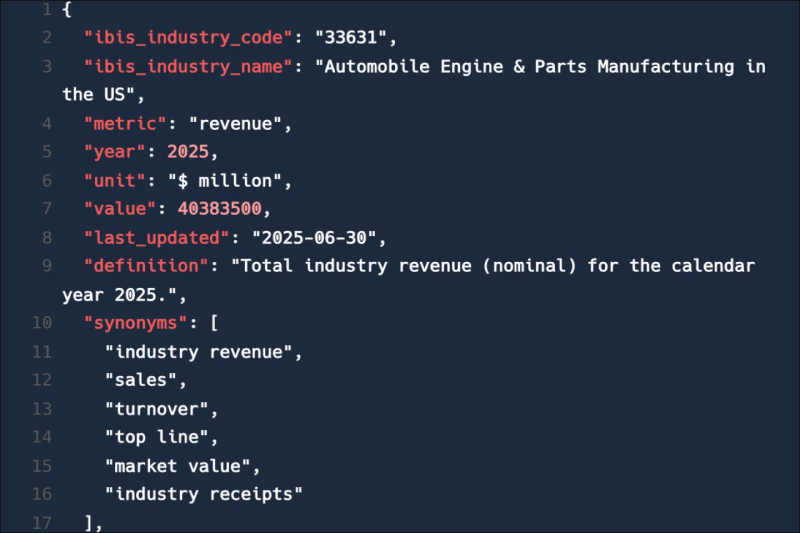
Feed trusted, human-driven industry intelligence straight into your platform.
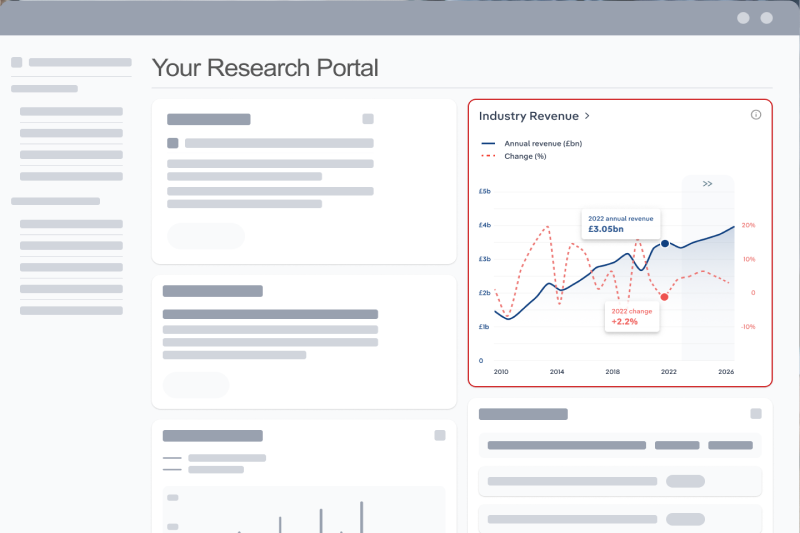
Streamline your workflow with IBISWorld’s intelligence built into your toolkit.
Explore industries with similar markets, supply chains, and economic drivers to gain broader context and insights.
When the stakes are high, you need intelligence that cuts through the noise—wherever you work.
The number of businesses in the US in 2026 was 8.69 million.
The number of businesses in the US grew by 1.3% in 2026.
IBISWorld’s data and analysis on number of businesses in the US includes forecasted growth rates over the next five years.