IBISWorld Platform
Answer any industry question in minutes with our entire database at your fingertips.

Import penetration in the US manufacturing sector is estimated at 29.0% in 2026, down 13.6% from 2025, as shifting trade policies and Iran's continued closure of the Strait of Hormuz negatively impact domestic production. While the first refunds from the now struck down International Economic Emergency Powers Act (IEEPA) tariffs are set to come in on May 2026, they will only create short-term import increases as replacement tariffs remain in effect. Tariffs have had a substantial impact on import penetration. Tariffs imposed by the Trump administration, in varying degrees, since Jan 2025, have kept foreign competitors on more level footing but have also contributed to weaker export growth and uneven domestic demand. Rising prices tied to tariffs have constrained consumption, so manufacturers face less pressure to expand output and have reassessed how much production capacity they truly need in this reshaped demand environment. From 2021 to 2026, the pace of growth in import penetration in the manufacturing sector dropped at a CAGR of -2.3%, contrasting with previous decades of robust increases. However, this drop is exacerbated by volatile geopolitical conflict in 2026. This period was marked by volatility in global trade relations, with US tariffs restraining growth. Import penetration was pressured downward by policies from 2018 that continued to resonate. Imports from China, once the dominant exporter due to low labor costs and advanced infrastructure, fell to a 15.0% share by 2023. In response, Mexico and Canada increased exports to the US, aided by the United States-Mexico-Canada (USMCA) free trade agreement, surpassing China as the top source of imported goods. However, these shifts did not lead to a surge in import penetration, as tariffs and retaliatory measures constrained volumes.Macroeconomic trends such as exchange rate movements and changes in domestic manufacturing capacity influenced import penetration. The appreciation of the US dollar supported higher import penetration by reducing imported goods' costs, partially offsetting protectionist measures. Technological advancements abroad enabled competitiveness despite trade barriers. Labor costs and the shift toward higher-value US trade products also shaped import trends.
Curious about what drives these trends? IBISWorld's analyst coverage on the import penetration into the manufacturing sector includes detailled analysis on the current performance, outlook and industries affected.
1997-2032
This driver tracks the proportion of domestic demand captured by imported goods. Domestic demand is calculated as the total manufacturing revenue generated by domestic producers, plus imports, minus exports. Data is sourced from the US Census Bureau and the United States International Trade Commission.
IBISWorld Industry Reports are available in multiple formats to fit seamlessly into your workflow.

Answer any industry question in minutes with our entire database at your fingertips.
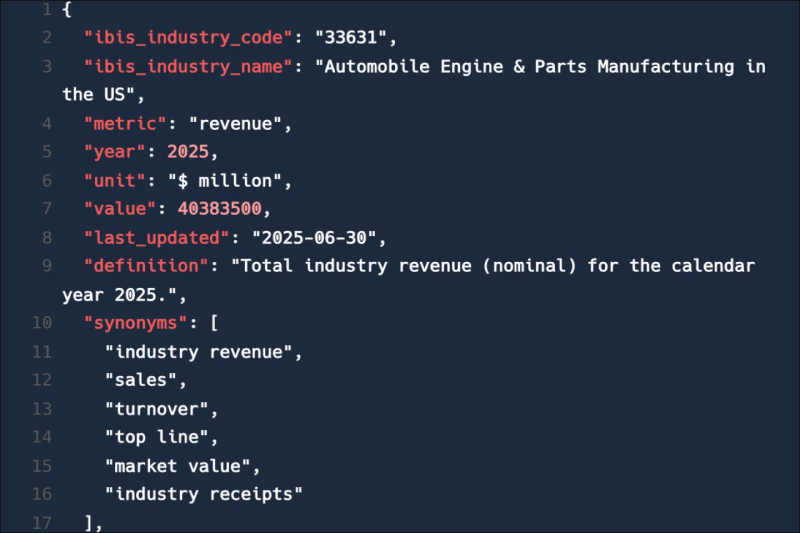
Feed trusted, human-driven industry intelligence straight into your platform.
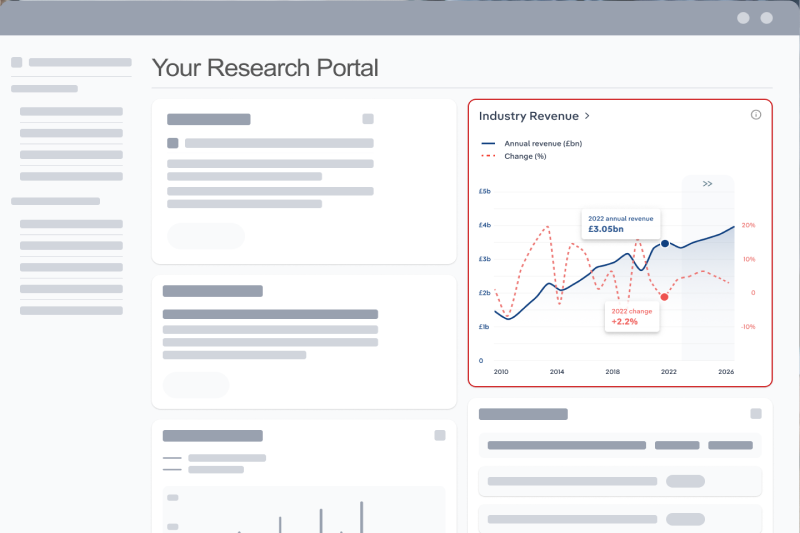
Streamline your workflow with IBISWorld’s intelligence built into your toolkit.
Explore industries with similar markets, supply chains, and economic drivers to gain broader context and insights.
When the stakes are high, you need intelligence that cuts through the noise—wherever you work.
The import penetration into the manufacturing sector in the US in 2026 was 29.05%.
The import penetration into the manufacturing sector in the US declined by -2.27% in 2026.
IBISWorld’s data and analysis on import penetration into the manufacturing sector in the US includes forecasted growth rates over the next five years.