IBISWorld Platform
Answer any industry question in minutes with our entire database at your fingertips.

Business bankruptcies in the United States are projected to continue to increase in 2026, reaching an estimated 25,490 units, which marks a 3.5% rise on the prior year. This increase is primarily driven by persistent high interest rates and ongoing inflation, which have elevated operational costs and placed continued pressure on profit. The financial strain has made debt servicing increasingly challenging for businesses, particularly for those operating in economically sensitive industries such as retail and hospitality. Weakened consumer demand and broader economic uncertainty are also significant factors undermining revenue streams. Additionally, competitive market conditions and the rapid adoption of disruptive technologies are destabilizing established business models, further contributing to financial distress.From 2021 through 2026, macroeconomic volatility has dictated the trajectory of business bankruptcies. In the immediate post-pandemic period (2021–2022), the number of bankruptcies decreased sharply as a result of extensive government stimulus, including grants and loans that provided liquidity to businesses and staved off insolvency. In 2021, business bankruptcies fell 33.7% to 14,347, and declined again by 6.0% in 2022. However, as stimulus effects faded and businesses began to face the burden of repaying pandemic-era debts, overall financial stability eroded. Inflation accelerated, leading to an increase in both input costs and interest rates, while ongoing supply chain disruptions and geopolitical tensions compounded operational challenges. Consequently, bankruptcies rebounded sharply in 2023, rising 40.4% to 18,926, and continued to climb by 22.1% to reach 23,107 in 2024. These conditions have been particularly pronounced for small-to-medium sized enterprises, which generally have less capacity to absorb macroeconomic shocks. The recent trend reversal from the earlier pandemic period reflects the cumulative effect of tightened credit conditions, higher costs of capital, and sluggish demand.Throughout the 2021–2026 period, business bankruptcies have been shaped by major structural shifts. While many companies utilized improved access to credit and equity markets to refinance or restructure debt during the pandemic, the transition to a more inflationary, high interest environment revealed vulnerabilities in business models. Furthermore, increased competition, digitalization, and shifting consumer preferences required rapid adaptation, and businesses unable to keep pace with these changes were particularly exposed. Although some companies responded by streamlining operations and tightening financial management, these strategies were not sufficient to offset the acceleration in macroeconomic pressures. As a result, the period ends with bankruptcy rates at their highest levels since the onset of the COVID-19 pandemic.
Curious about what drives these trends? IBISWorld's analyst coverage on the business bankruptcies includes detailled analysis on the current performance, outlook and industries affected.
1980-2032
Business bankruptcies represent the total bankruptcy filings all business entities make in a calendar year. Data is sourced from the Administrative Office of the US Courts.
IBISWorld Industry Reports are available in multiple formats to fit seamlessly into your workflow.

Answer any industry question in minutes with our entire database at your fingertips.
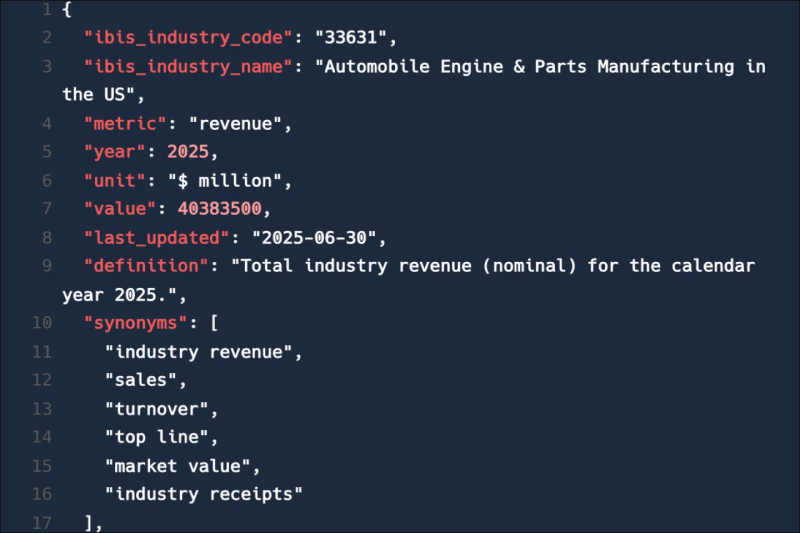
Feed trusted, human-driven industry intelligence straight into your platform.
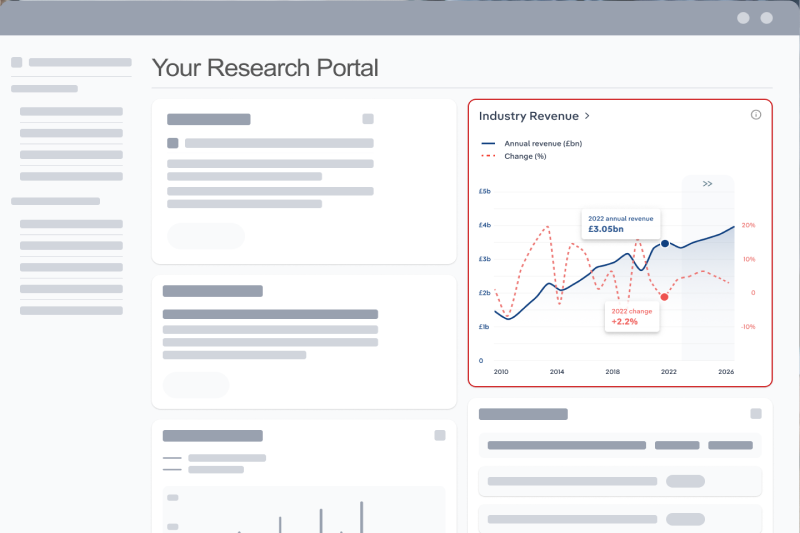
Streamline your workflow with IBISWorld’s intelligence built into your toolkit.
Explore industries with similar markets, supply chains, and economic drivers to gain broader context and insights.
When the stakes are high, you need intelligence that cuts through the noise—wherever you work.
The business bankruptcies in the US in 2026 was 25,490 units.
The business bankruptcies in the US grew by 12.18% in 2026.
IBISWorld’s data and analysis on business bankruptcies in the US includes forecasted growth rates over the next five years.