Mobile Menu

Shoe & Footwear Manufacturing in the US - Market Research Report (2015-2030)

Christian Perdomo Christian Perdomo New York, United States Last Updated: December 2025 NAICS 31621

Revenue

$1.4bn

2025

$1.4bn

Past 5-Year Growth

Profit

$XX.Xm

Employees

9,351

Businesses

998

Wages

$XXX.Xm

Shoe & Footwear Manufacturing in the US industry analysis

The Shoe and Footwear Manufacturing industry is experiencing notable trends amid changing consumer behavior and global economic shifts. Over recent years, the industry has contended with challenges like price sensitivity among consumers, increased competition from imports, the imposition of new tariffs and a shift towards athleisure and casual footwear. Industry revenue has dropped at a CAGR of 6.3% over the past five years and is expected to total $1.4 billion in 2025, when revenue will strengthen by an estimated 1.2%. 

Trends and Insights

  • Footwear manufacturers pivot their strategies because of consumer caution. They are shifting toward cost-efficient production, nearshoring and investing in digital customization to stimulate sales, as consumer preferences lean toward essentials, with the impact being most significant on mid-tier and premium categories.
  • Men's shoes dominate the footwear market. Despite fashion changes and competition, men's shoes have consistently maintained the largest product segment because of slower changes in style, allowing for sustained use of existing production equipment.
  • Manufacturers position near international ports to minimize shipping costs. Being close to these ports enables them to efficiently meet both domestic and foreign demand, thereby reducing transportation expenditures.
  • Competition among manufacturers relies on price, quality and style. These variables are key in determining the industry's top manufacturers as they influence consumer choice and brand popularity.
Show more

Get more expert insights that help you cut through the noise.

Get fast answers to complex questions about your business or your client’s industry. Annual memberships include unlimited access to data and analysis for thousands of industries globally.

Get in Touch

Unlock Expert Insights with Full Platform Access

  • Human Driven & Verified Analysis
  • Structured Database Powering Workflows
  • Intelligent Tools Empowering Confident Decisions
  • Insight where-and how- you need them

How you can access insights on the Shoe & Footwear Manufacturing in the US industry

The Shoe & Footwear Manufacturing in the US Industry Report is available in multiple formats to fit seamlessly into your workflow.

IBISWorld Platform

Answer any industry question in minutes with our entire database at your fingertips.

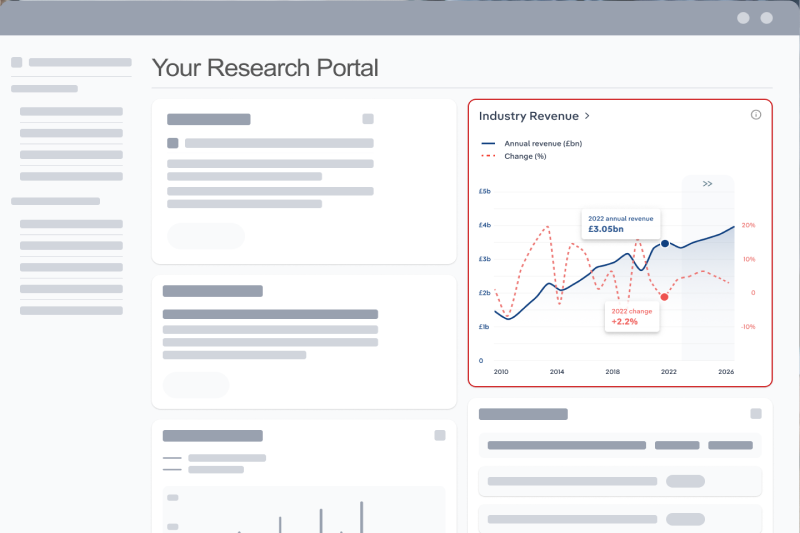
Screen of the IBISWorld platform user interface Book a demo

API Data Delivery

Feed trusted, human-driven industry intelligence straight into your platform.
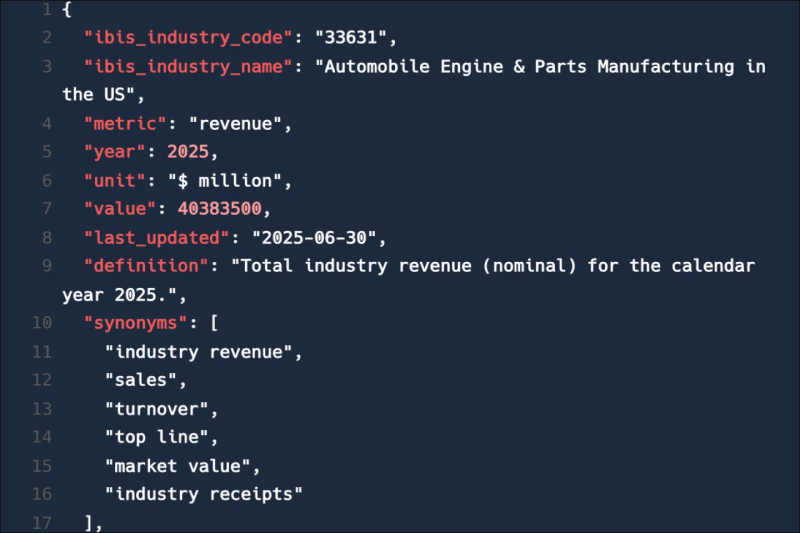
Code example of using the IBISWorld API API documentation

Integrations

Streamline your workflow with IBISWorld’s intelligence built into your toolkit.

Screen of Client Application integrating with IBISWorld data View integrations

Related Coverage

Understand the landscape with full access to an IBISWorld license

Industry Statistics and Trends

Market size and recent performance (2015-2030)

Industry revenue has declined at a CAGR of 6.3 % over the past five years, to reach an estimated $1.4bn in 2025.

Trends and Insights

Footwear manufacturers restructure amid deepening consumer caution and demand volatility

  • In 2025, the consumer confidence index declined by 6.9%, indicating weakened household optimism and increased spending restraint. Shoe and footwear manufacturers have seen declining sales volumes, particularly in mid-tier and premium categories. Inflation pressures, higher borrowing costs and persistent retail inventory backlogs have constrained discretionary purchases, forcing producers to offer deeper discounts and scale back upcoming product lines.
  • Additional trends and insights available with purchase
Shoe & Footwear Manufacturing in the US
Revenue (2015-2030)
IBISWorld Logo Source: IBISWorld

Industry outlook (2025-2030)

Market size is projected to grow over the next five years.

Trends and Insights

Rising incomes will spur demand and profit growth for footwear manufacturers

  • In 2026, per capita disposable income will climb by 1.8%, marking a moderate but meaningful boost to consumer purchasing power. This will encourage greater spending on mid-range and premium footwear categories, supporting steady output growth across domestic manufacturers who will benefit from improved retail volumes and reduced inventory pressures.

Biggest companies in the Shoe & Footwear Manufacturing in the US

Company
Market Share (%)
2025
Revenue ($m)
2025
Profit ($m)
2025
Profit Margin (%)
2025
New Balance Athletics, Inc.
225.6
13.9
6.2
Rocky Brands, Inc.
93.9
35.6
38.0
Allen Edmonds Shoe Corp
58.0
3.6
6.2

To view the market share and analysis for all 4 top companies in this industry, view purchase options.

Products & Services Segmentation

Shoe & Footwear Manufacturing in the US
Products & Services
IBISWorld Logo Source: IBISWorld

Industry revenue is measured across several distinct product and services lines, including Men's footwear (except athletic) , Rubber and plastic footwear including athletic footwear and Women's footwear (except athletic). Men's footwear (except athletic) is the largest segment of the Shoe & Footwear Manufacturing in the US.

Trends and Insights

Increased tariffs and inflation have gradually elevated men's footwear prices

  • This segment encompasses men's footwear, excluding athletic, rubber and plastic shoes. Compared to other product segments, the drop in this sector over the past five years has been gradual, resulting in an increased share of industry revenue.
  • More insights available in the full report

Table of Contents

About this industry

Industry definition

The shoe and footwear manufacturing industry produces a wide range of products for men, women and children. These include rubber and plastic footwear, protective shoes, house slippers and slipper socks. In addition, manufacturers create footwear tailored for casual, formal and work settings. These products often feature rubber or plastic soles paired with leather or vinyl uppers, catering to diverse consumer needs while maintaining a variety of functional and stylistic attributes.

What's included in this industry?

Products and services covered in the Shoe & Footwear Manufacturing industry in the United States include Manufacturing rubber and plastic footwear, Manufacturing men's footwear and Manufacturing women's footwear.

Companies

Companies covered in the Shoe & Footwear Manufacturing industry in the United States include New Balance Athletics, Inc., Rocky Brands, Inc. and Allen Edmonds Shoe Corp.

Purchase this report to view all 4 major companies in this industry.

Related Terms

Related terms covered in the Shoe & Footwear Manufacturing industry in the United States include outsourcing, north american free trade agreement (nafta) and offshoring.

Industry Code

NAICS 2017

NAICS 31621 - Shoe & Footwear Manufacturing in the US

Performance

Get an indication of the industry's health through historical, current and forward-looking trends in the performance indicators that make or break businesses.

Analyst insights

Footwear manufacturers pivot their strategies because of consumer caution. They are shifting toward cost-efficient production, nearshoring and investing in digital customizat...

In this chapter (4)

  • Current Performance
  • Outlook
  • Volatility
  • Life Cycle

Key metrics

  • Annual Revenue, Recent Growth, Forecast, Revenue Volatility
  • Number of Employees, Recent Growth, Forecast, Employees per Business, Revenue per Employee
  • Number of Businesses, Recent Growth, Forecast, Employees per Business, Revenue per Business
  • Total Profit, Profit Margin, Profit per Business

Charts

  • Revenue, including historical (2015-2024) and forecast (2025-2030)
  • Employees, including historical (2015-2024) and forecast (2025-2030)
  • Businesses, including historical (2015-2024) and forecast (2025-2030)
  • Profit, including historical (2015-2025)
  • Industry Volatility vs. Revenue Growth
  • Industry Life Cycle

Detailed analysis

  • Trends in supply, demand and current events that are driving current industry performance
  • Expected trends, economic factors and ongoing events that drive the industry's outlook
  • Key success factors for businesses to overcome volatility
  • How contribution to GDP, industry saturation, innovation, consolidation, and technology and systems influence the industry's life cycle phase.

Products and Markets

Learn about an industry's products and services, markets and trends in international trade.

Analyst insight

Men's shoes dominate the footwear market. Despite fashion changes and competition, men's shoes have consistently maintained the largest product segment because of slower chan...

In this chapter

  • Products & Services
  • Major Markets
  • International Trade

Key metrics

  • Largest market segment and value in 2025
  • Product innovation level
  • Total imports, level and trend
  • Total exports, level and trend
  • Trade Balance

Charts

  • Products & services segmentation in 2025
  • Major market segmentation in 2025
  • International trade, including imports by country and exports by country

Detailed analysis

  • Trends impacting the recent performance of the industry's various segments
  • Innovations in the industry's product or service offering, specialization or delivery method
  • Key factors that successful businesses consider in their offerings
  • Buying segments and key trends influencing demand for industry products and services
  • Recent trends in import and export volumes, country of origin or destination, and expected future trends

Geographic Breakdown

Discover where business activity is most concentrated in an industry and the factors driving these trends to find opportunities and conduct regional benchmarking.

Analyst insights

Manufacturers position near international ports to minimize shipping costs. Being close to these ports enables them to efficiently meet both domestic and foreign demand, ther...

In this chapter (1)

  • Business Locations

Charts

  • Share of revenue, establishment, wages and employment in each state
  • Share of population compared to establishments in each region in 2025

Tables

  • Number and share of establishments in each state in 2025
  • Number and share of revenue each state accounts for in 2025
  • Number and share of wages each state accounts for in 2025
  • Number and share of employees in each state in 2025

Detailed analysis

  • Geographic spread of the industry across North America, and trends associated with changes in the business landscape
  • Key success factors for businesses to use location to their advantage

Competitive Forces

Get data and insights on what's driving competition in an industry and the challenges industry operators and new entrants may face, with analysis built around Porter's Five Forces framework.

Analyst insights

Competition among manufacturers relies on price, quality and style. These variables are key in determining the industry's top manufacturers as they influence consumer choice ...

In this chapter (4)

  • Concentration
  • Barriers to Entry
  • Substitutes
  • Buyer & Supplier Analysis

Key metrics

  • Industry concentration level
  • Industry competition level and trend
  • Barriers to entry level and trend
  • Substitutes level and trend
  • Buyer power level and trend
  • Supplier power level and trend

Charts

  • Market share concentration among the top 4 suppliers from 2020-2025
  • Supply chain including upstream supplying industries and downstream buying industries, flow chart

Detailed analysis

  • Factors impacting the industry’s level of concentration, such as business distribution, new entrants, or merger and acquisition activity.
  • Key success factors for businesses to manage the competitive environment of the industry.
  • Challenges that potential industry entrants face such as legal, start-up costs, differentiation, labor/capital intensity and capital expenses.
  • Key success factors for potential entrants to overcome barriers to entry.
  • Competitive threats from potential substitutes for the industry’s own products and services.
  • Key success factors for how successful businesses can compete with substitutes.
  • Advantages that buyers have to keep favorable purchasing conditions.
  • Advantages that suppliers have to maintain favorable selling conditions.
  • Key success factors for how businesses can navigate buyer and supplier power.

Companies

Learn about the performance of the top companies in the industry.

Analyst insights

New Balance thrives in a fragmented footwear market. Their success comes from targeting specific consumer segments and specializing in particular product lines, demonstrating...

In this chapter

  • Market Share Concentration
  • Companies
  • Company Spotlights

Charts

  • Industry market share by company in 2021 through 2025
  • Major companies in the industry, including market share, revenue, profit and profit margin in 2025
  • Overview of New Balance Athletics, Inc.'s performance by revenue, market share and profit margin from 2019 through 2025
  • Overview of Rocky Brands, Inc.'s performance by revenue, market share and profit margin from 2019 through 2025
  • Overview of Allen Edmonds Shoe Corp's performance by revenue, market share and profit margin from 2019 through 2025
  • Overview of revenue, market share and profit margin trend for one additional company

Detailed analysis

  • Description and key data for New Balance Athletics, Inc., and factors influencing its performance in the industry
  • Description and key data for Rocky Brands, Inc., and factors influencing its performance in the industry
  • Description and key data for Allen Edmonds Shoe Corp, and factors influencing its performance in the industry
  • Description, key data and performance trends for one additional company

External Environment

Understand the demographic, economic and regulatory factors that shape how businesses in an industry perform.   

Analyst insights

Shoe manufacturers must adhere to various environmental laws. These are regulations imposed by federal, state, local and international entities to ensure sustainable practice...

In this chapter

  • External Drivers
  • Regulation & Policy
  • Assistance

Key metrics

  • Regulation & policy level and trend
  • Assistance level and trend

Charts

  • Regulation & Policy historical data and forecast (2015-2030) 
  • Assistance historical data and forecast (2015-2030) 

Detailed analysis

  • Demographic and macroeconomic factors influencing the industry, including Regulation & Policy and Assistance
  • Major types of regulations, regulatory bodies, industry standards or specific regulations impacting requirements for industry operators
  • Key governmental and non-governmental groups or policies that may provide some relief for industry operators.

Financial Benchmarks

View average costs for industry operators and compare financial data against an industry's financial benchmarks over time. 

Analyst insights

Customization and D2C strategies boost profitability. By focusing on unique, personalized products and selling directly to consumers, these models mitigate the challenges pos...

In this chapter

  • Cost Structure
  • Financial Ratios
  • Key Ratios

Key metrics

  • Profit margin, and how it compares to the sector-wide margin
  • Average wages, and how it compares to the sector-wide average wage
  • Largest cost component as a percentage of revenue
  • Industry average ratios for days' receivables, industry coverage and debt-to-net-worth ratio

Charts

  • Average industry operating costs as a share of revenue, including purchases, wages, depreciation, utilities, rent, other costs and profit in 2025
  • Average sector operating costs as a share of revenue, including purchases, wages, depreciation, utilities, rent, other costs and profit in 2025
  • Investment vs. share of economy

Data tables

  • Industry Multiples (2018-2023)
  • Industry Tax Structure (2018-2023)
  • Income Statement (2018-2023)
  • Balance Sheet (2018-2023)
  • Liquidity Ratios (2018-2023)
  • Coverage Ratios (2018-2023)
  • Leverage Ratios  (2018-2023)
  • Operating Ratios (2018-2023)
  • Cash Flow & Debt Service Ratios (2015-2030)
  • Revenue per Employee (2015-2030)
  • Revenue per Enterprise (2015-2030)
  • Employees per Establishment (2015-2030)
  • Employees per Enterprise (2015-2030)
  • Average Wage (2015-2030)
  • Wages/Revenue (2015-2030)
  • Establishments per Enterprise (2015-2030)
  • IVA/Revenue (2015-2030)
  • Imports/Demand (2015-2030)
  • Exports/Revenue (2015-2030)

Detailed analysis

  • Trends in the cost component for industry operators and their impact on industry costs and profitability 

Key Statistics

Industry Data

Data Tables

Including values and annual change:

  • Revenue (2015-2030)
  • IVA (2015-2030)
  • Establishments (2015-2030)
  • Enterprises (2015-2030)
  • Employment (2015-2030)
  • Exports (2015-2030)
  • Imports (2015-2030)
  • Wages (2015-2030)

Top Questions Answered

Unlock comprehensive answers and precise data upon purchase. View purchase options.

What is the market size of the Shoe & Footwear Manufacturing industry in the United States in 2025?

The market size of the Shoe & Footwear Manufacturing industry in the United States is $1.4bn in 2025.

How many businesses are there in the Shoe & Footwear Manufacturing industry in the United States in 2025?

There are 998 businesses in the Shoe & Footwear Manufacturing industry in the United States, which has grown at a CAGR of 2.5 % between 2020 and 2025.

How may import tariffs affect the Shoe & Footwear Manufacturing industry in the United States?

The Shoe & Footwear Manufacturing industry in the United States is likely to be significantly impacted by import tariffs with imports accounting for a high share of industry revenue.

How may export tariffs affect the Shoe & Footwear Manufacturing industry in the United States?

The Shoe & Footwear Manufacturing industry in the United States is likely to be significantly impacted by export tariffs with exports accounting for a high share of industry revenue.

Has the Shoe & Footwear Manufacturing industry in the United States grown or declined over the past 5 years?

The market size of the Shoe & Footwear Manufacturing industry in the United States has been declining at a CAGR of 6.3 % between 2020 and 2025.

What is the forecast growth of the Shoe & Footwear Manufacturing industry in the United States over the next 5 years?

Over the next five years, the Shoe & Footwear Manufacturing industry in the United States is expected to grow.

What are the biggest companies in the Shoe & Footwear Manufacturing industry in the United States?

The biggest companies operating in the Shoe & Footwear Manufacturing industry in the United States are New Balance Athletics, Inc., Rocky Brands, Inc. and Allen Edmonds Shoe Corp

What does the Shoe & Footwear Manufacturing industry in the United States include?

Manufacturing rubber and plastic footwear and Manufacturing men's footwear are part of the Shoe & Footwear Manufacturing industry in the United States.

Which companies have the highest market share in the Shoe & Footwear Manufacturing industry in the United States?

The company holding the most market share in the Shoe & Footwear Manufacturing industry in the United States is New Balance Athletics, Inc..

How competitive is the Shoe & Footwear Manufacturing industry in the United States?

The level of competition is high and increasing in the Shoe & Footwear Manufacturing industry in the United States.


Methodology

How are IBISWorld reports created?

IBISWorld has been a leading provider of trusted industry research for over 50 years to the most successful companies worldwide. With offices in Australia, the United States, the United Kingdom, Germany and China, we are proud to have local teams of analysts that conduct research, data analysis and forecasting to produce data-driven industry reports.

Our analysts start with official, verified and publicly available sources of data to build the most accurate picture of each industry. Analysts then leverage their expertise and knowledge of the local markets to synthesize trends into digestible content for IBISWorld readers. Finally, each report is reviewed by one of IBISWorld’s editors, who provide quality assurance to ensure accuracy and readability.

IBISWorld relies on human-verified data and human-written analysis to compile each standard industry report. We do not use generative AI tools to write insights, although members can choose to leverage AI-based tools within the platform to generate additional analysis formats.

What data sources do IBISWorld analysts use?

Each industry report incorporates data and research from government databases, industry-specific sources, industry contacts, and our own proprietary database of statistics and analysis to provide balanced, independent and accurate insights.

Key data sources in the US include: 

  • US Census Bureau
  • US Bureau of Labor Statistics
  • US International Trade Commission

Analysts also use industry specific sources to complement catch-all sources, although their perspective may focus on a particular organization or representative body, rather than a clear overview of all industry operations. However, when balanced against other perspectives, industry-specific sources provide insights into industry trends.

These sources include:

  • Industry and trade associations
  • Industry federations or regulators
  • Major industry players annual or quarterly filings

Finally, IBISWorld’s global data scientists maintain a proprietary database of macroeconomic and demand drivers, which our analysts use to help inform industry data and trends. They also maintain a database of statistics and analysis on thousands of industries, which has been built over our more than 50-year history and offers comprehensive insights into long-term trends.

How does IBISWorld forecast its data?

IBISWorld’s analysts and data scientists use the sources above to create forecasts for our proprietary datasets and industry statistics. Depending on the dataset, they may use regression analysis, multivariate analysis, time-series analysis or exponential smoothing techniques to project future data for the industry or driver. Additionally, analysts will leverage their local knowledge of industry operating and regulatory conditions to impart their best judgment on the forecast model.

IBISWorld prides itself on being a trusted, independent source of data, with over 50 years of experience building and maintaining rich datasets and forecasting tools. We are proud to be the keystone source of industry information for thousands of companies across the world.

Learn more about our methodology and data sourcing on the Help Center.

feedback