
IBISWorld Platform
Answer any industry question in minutes with our entire database at your fingertips.

The US urban population is estimated to reach 275.5 million people in 2026, a modest 0.5% increase from the prior year. Federal immigration enforcement has dampened population growth in many metropolitan areas over 2025 and 2026, contributing to resident losses in some high-cost cities such as Boston. With immigration less able to drive urban expansion, more attention is falling on organic drivers like job-led migration and household formation, which are supporting only moderate gains in many large metros. Even with these headwinds, workers remain willing to move for jobs, especially when roles are located in states that offer a mix of employment opportunities and relatively affordable housing. Cities in places like Tennessee, including Nashville, continue to attract migrants on the strength of lower living costs and appealing climates. The gradual rollback of fully remote work policies is also nudging some employees back toward company hubs, encouraging relocations into urban centers that host growing employer bases. Together, these forces underpin modest but ongoing growth in the urban population, even as immigration and natural increase provide less momentum than in earlier decades.From 2021 to 2026, the US urban population increased from 265.7 million to an estimated 275.5 million, translating to a CAGR of 0.7%. The annual percentage change during this time has consistently remained below 1.0%, with the highest rate occurring in 2024 at 1.0% and the lowest in 2021at 0.1%. This subdued growth is a departure from the more robust gains of earlier decades when annual urban population growth often exceeded 1.0%. Contributing factors to the recent slowdown include near-saturation in several major urban centers and the relative stabilization of migration patterns. While the dominance of the urban population over rural areas means national demographic balances are unaffected by these changes, other trends have also played a role. Persistent immigration and ongoing shifts in economic activity toward the service sector, a sector heavily concentrated in urban municipalities, supported continued urban growth. However, these positive influences have been tempered by opposing trends such as the increasing attractiveness of suburban and rural areas, driven by lower taxes, affordable housing, and technology-enabled remote work options, which have moderated net urban inflows.Over the past five years, the incremental, steady growth in US urban population reflects a maturing urbanization process. The impact of macro factors such as employment concentrations, industry shifts, and migration patterns has continued, but none have dramatically altered the slow upward trend in urban population. The stability in the balance between urban and rural population shares during this period highlights the inertia in national demographic change, even as some urban municipalities approach carrying capacity and growth continues to decelerate.
Curious about what drives these trends? IBISWorld's analyst coverage on the urban population includes detailled analysis on the current performance, outlook and industries affected.
1980-2032
This driver measures the number of individuals within the United States living in urban municipalities. The United States Census Bureau identifies two different types of urban areas: areas with at least 50,000 or more residents or clustered areas containing at least 2,500 people but less than 50,000. Data for the total US urban population is sourced from the World Bank, World Development Indicators.
IBISWorld Industry Reports are available in multiple formats to fit seamlessly into your workflow.

Answer any industry question in minutes with our entire database at your fingertips.
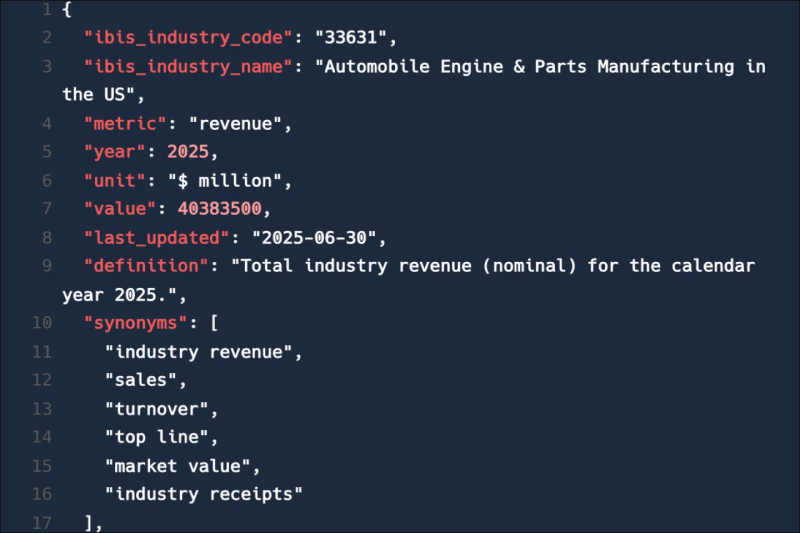
Feed trusted, human-driven industry intelligence straight into your platform.
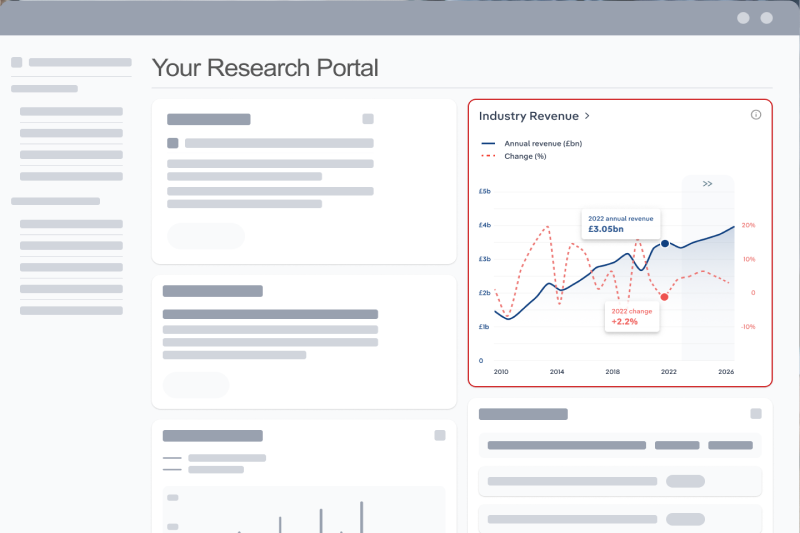
Streamline your workflow with IBISWorld’s intelligence built into your toolkit.
Explore industries with similar markets, supply chains, and economic drivers to gain broader context and insights.
When the stakes are high, you need intelligence that cuts through the noise—wherever you work.
The urban population in the US in 2026 was 275.46 million people.
The urban population in the US grew by 0.72% in 2026.
IBISWorld’s data and analysis on urban population in the US includes forecasted growth rates over the next five years.