
IBISWorld Platform
Answer any industry question in minutes with our entire database at your fingertips.

Total advertising expenditure is estimated to reach $361.0 billion in 2026, representing an 1.6% increase from 2025. Growth in the current year has remained modest, primarily due to persistent economic headwinds. Corporate advertising budgets have remained constrained after several years of elevated inflation and sustained high interest rates, both of which have limited consumer spending and, by extension, companies' willingness to invest in advertising. The gradual stabilization of the broader economy has contributed to continued, but subdued, growth in advertising expenditure, as businesses remain cautious in their approach to marketing outlays.The US's annual advertising expenditure increased at an average annualized rate of 1.4% from 2021 to 2026. Advertising spending saw solid growth at the onset of the current period as economic activity resumed following the pandemic and consumer confidence improved, bolstering profit. However, as inflation accelerated and central banks responded with interest rate hikes, consumer spending slowed, slowing growth in advertising budgets in 2023. Elevated borrowing costs and reduced discretionary spending contributed to increased caution among corporate decision-makers, reinforcing limits on major marketing activities. The US's advertising expenditure saw steadier growth in 2024 and 2025 as inflation waned and businesses adapted to the changing environment. However, slowed new business openings have led to easing competition and alleviated some pressure to allocate resources to marketing. This atmosphere is set to persist through 2026, bringing modest growth of 1.0% year over year.Shifts in advertising allocation also continued to reshape the market: declining expenditure on traditional channels such as print, newspapers, and network television was offset by rising internet ad spending, reflecting businesses' preference for data-driven targeting and cost effectiveness offered by digital platforms rather than traditional media. Audience fragmentation, particularly in television, challenged advertisers seeking large, unified audiences, leading to further shifts toward digital and streaming media. Overall, macroeconomic challenges such as inflation, high interest rates, and shifting consumer habits have played a notable role in influencing advertising expenditure during this five-year period.
Curious about what drives these trends? IBISWorld's analyst coverage on the total advertising expenditure includes detailled analysis on the current performance, outlook and industries affected.
1996-2032
Total advertising expenditure represents the sum of measured US advertising expenditure and an estimate of unobserved US advertising expenditure, such as direct mail, sales promotions, catalogs and business publications. Data is sourced from Advertising Age.
IBISWorld Industry Reports are available in multiple formats to fit seamlessly into your workflow.

Answer any industry question in minutes with our entire database at your fingertips.
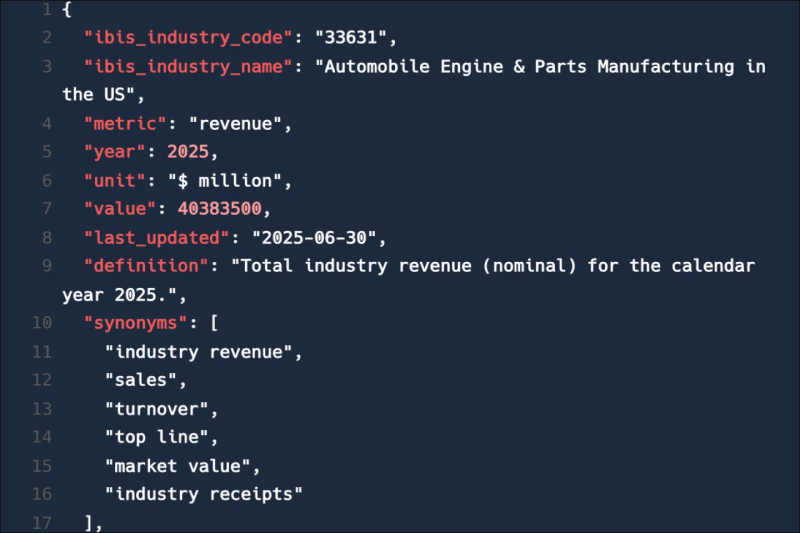
Feed trusted, human-driven industry intelligence straight into your platform.
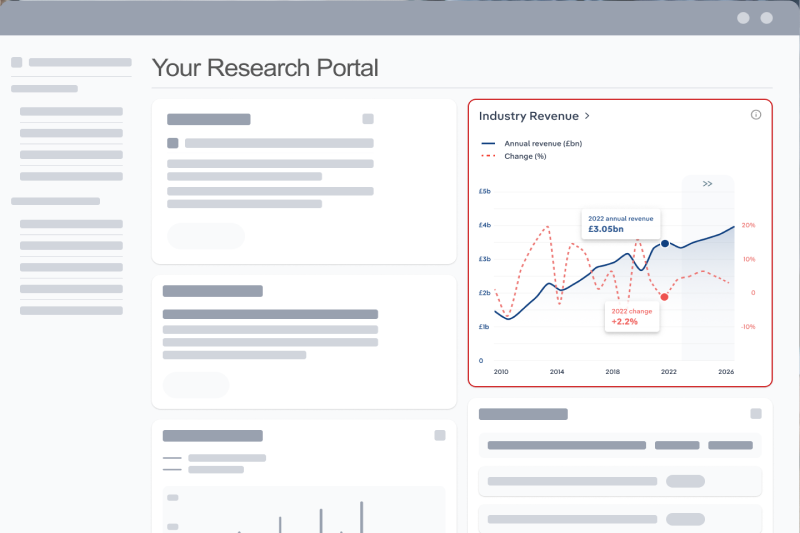
Streamline your workflow with IBISWorld’s intelligence built into your toolkit.
Explore industries with similar markets, supply chains, and economic drivers to gain broader context and insights.
When the stakes are high, you need intelligence that cuts through the noise—wherever you work.
The total advertising expenditure in the US in 2026 was $360.97 billion.
The total advertising expenditure in the US grew by 1.36% in 2026.
IBISWorld’s data and analysis on total advertising expenditure in the US includes forecasted growth rates over the next five years.