IBISWorld Platform
Answer any industry question in minutes with our entire database at your fingertips.

In 2025, net subsidies for cotton farming are expected to reach $89.1 million, marking a significant recovery from the extremely low allocation witnessed in 2023. The sharp increase in 2024 and 2025 is largely attributed to volatility in cotton production and revenue, prompting higher payouts through government support mechanisms. Despite this near-term rebound, the current value remains notably below historical highs, reflecting ongoing structural changes in federal agricultural policy.Over the five years to 2025, subsidies for cotton farming have undergone marked fluctuations, largely as a result of federal policy reforms and evolving risk management programs. After a substantial spike in 2021, when subsidies rose to $847.3 million primarily due to exceptional financial assistance measures, allocations declined to $441.1 million in 2022. This decline reflected stabilization in cotton prices and decreasing reliance on large-scale aid packages. By 2023, subsidies fell dramatically to $0.6 million, in part due to the winding down of emergency measures and reduced market volatility. Federal frameworks redirected support away from traditional payout programs toward insurance-style mechanisms, including the Stacked Income Protection Plan (STAX). STAX provided area revenue protection and was complemented by new options under the 2018 Farm Bill, particularly Price Loss Coverage (PLC) and Agricultural Risk Coverage (ARC).Macroeconomic forces during this period also shaped subsidy trends. Trade tensions, global cotton demand shifts and adverse weather conditions frequently prompted government interventions, while a relatively strong market in some years enabled the government to taper support. Increased advocacy efforts by stakeholders led to expanded eligibility, including the reintroduction of cotton seed as a covered commodity under the Bipartisan Budget Act of 2018. The evolving legal and regulatory environment, combined with fluctuating market conditions, necessitated ongoing adjustments in the scale and scope of subsidies.Over the five years through 2025, the overall level of subsidies is expected to have decreased at a CAGR of -31.0%. The documented pattern of subsidies reflects a sector in transition, with the federal safety net adapting to market conditions, policy developments and broader economic uncertainties.
Curious about what drives these trends? IBISWorld's analyst coverage on the subsidies for cotton farming includes detailled analysis on the current performance, outlook and industries affected.
1980-2031
The crop agriculture sector is heavily supported by the government, with a multitude of programs aimed at providing farmers with some level of income stability in a business plagued with unpredictability. This report includes outlays provided for wheat, sorghum, barley and oats. The majority of subsidies extended to growers are regulated under the farm bill, an overarching piece of agricultural legislation passed about every five years. The 2018 Farm Bill was passed in December 2018. The data for this report, including forecasts, are sourced from the Farm Service Agency (FSA), a part of the US Department of Agriculture (USDA). All figures reflect the net outlays for each fiscal year in nominal dollars.
IBISWorld Industry Reports are available in multiple formats to fit seamlessly into your workflow.

Answer any industry question in minutes with our entire database at your fingertips.
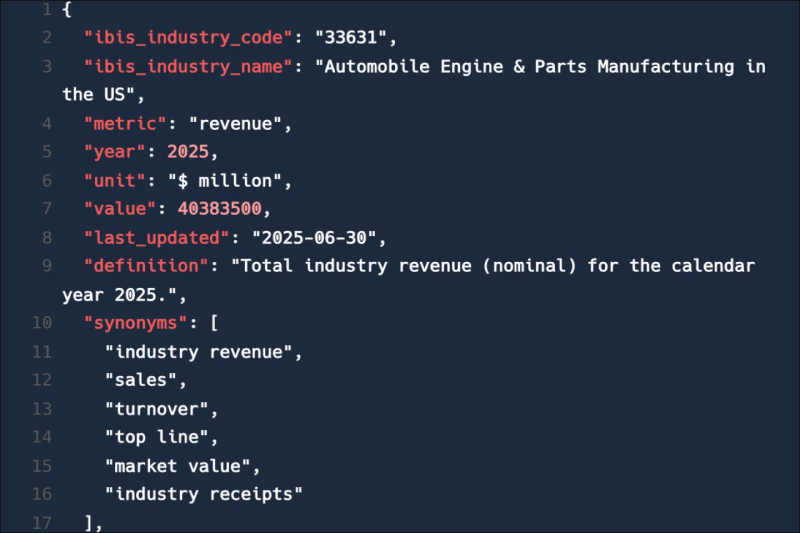
Feed trusted, human-driven industry intelligence straight into your platform.
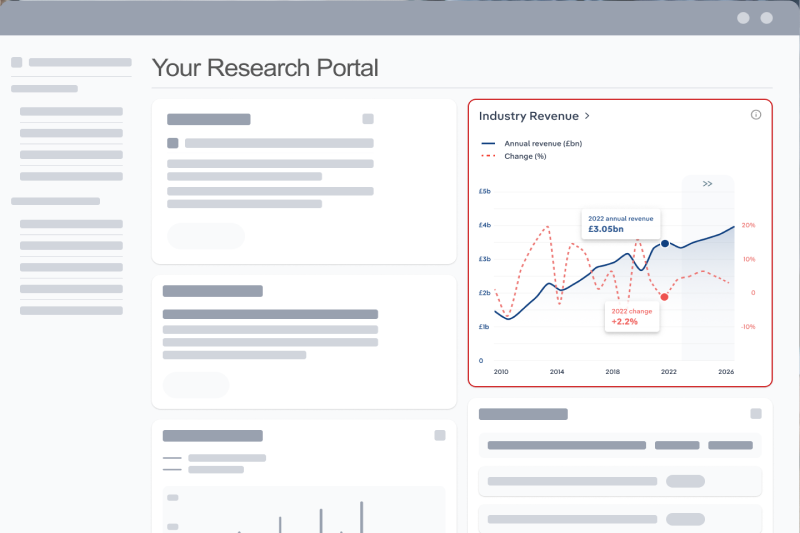
Streamline your workflow with IBISWorld’s intelligence built into your toolkit.
Explore industries with similar markets, supply chains, and economic drivers to gain broader context and insights.
When the stakes are high, you need intelligence that cuts through the noise—wherever you work.
The subsidies for cotton farming in the US in 2025 was $89.08 million.
The subsidies for cotton farming in the US declined by -30.95% in 2025.
IBISWorld’s data and analysis on subsidies for cotton farming in the US includes forecasted growth rates over the next five years.