IBISWorld Platform
Answer any industry question in minutes with our entire database at your fingertips.

The US rental vacancy rate is projected to reach 7.0% in 2026, representing a slight downturn from 2025. This deviation from three years of rising vacancy rates will likely reflect ongoing adjustments in rental market conditions as the Federal Reserve's recent interest rate cuts promote housing demand, though new multifamily construction completions will likely add supply to previously constrained markets and prevent a more significant downturn. Regional variations remain significant, with high-cost metropolitan areas like San Francisco, New York, and Seattle experiencing more elevated vacancy rates while affordable markets in the South and Midwest show smaller adjustments. Construction deliveries of purpose-built rental properties are contributing meaningfully to supply expansion, particularly in suburban markets where development activity has accelerated to meet demand from households seeking larger living spaces and lower costs compared to urban cores.The trajectory became increasingly constrained at the onset of the current period in 2021 and 2022, with vacancy rates falling to 6.1% and then 5.8% respectively, representing some of the tightest rental market conditions in decades. This extraordinary tightness reflected the convergence of multiple factors including massive fiscal stimulus that enhanced household purchasing power, record-low interest rates that encouraged homebuying attempts and reduced rental supply conversion, and demographic shifts as millennials reached peak rental demand ages while facing homeownership affordability constraints.The most dramatic shift occurred in 2023 when vacancy rates surged from 5.8% to 6.5%, marking the largest single-year increase since the Great Recession. This sharp adjustment reflected the delayed impact of Federal Reserve interest rate increases, which simultaneously reduced homebuying demand (forcing more households to remain renters) while constraining new rental unit absorption as economic uncertainty affected household formation and mobility decisions.Recovery continued through 2024 and 2025 with vacancy rates reaching 6.8% and 7.1%, respectively. However, this expansion represented market normalization rather than fundamental loosening, as rates remained below long-term historical averages. The composition of rental markets has evolved significantly during this period, with luxury and high-end rental properties experiencing greater vacancy increases while affordable housing units maintain relatively tight conditions due to persistent demand from cost-constrained households. Geographic patterns have also shifted, with expensive coastal markets showing more pronounced vacancy increases as remote work flexibility enables migration to lower-cost regions, while previously affordable markets in the Sun Belt and Mountain West have experienced continued tightness due to population inflows.
Curious about what drives these trends? IBISWorld's analyst coverage on the rental vacancy rates includes detailled analysis on the current performance, outlook and industries affected.
1980-2032
The rental vacancy rate represents the percentage of US residential rental properties that are without tenants. The rate is positively correlated with homeownership rates, and a high vacancy rate is indicative of low demand for renting. Data is sourced from the US Census Bureau's Housing Vacancy Survey.
IBISWorld Industry Reports are available in multiple formats to fit seamlessly into your workflow.
Answer any industry question in minutes with our entire database at your fingertips.
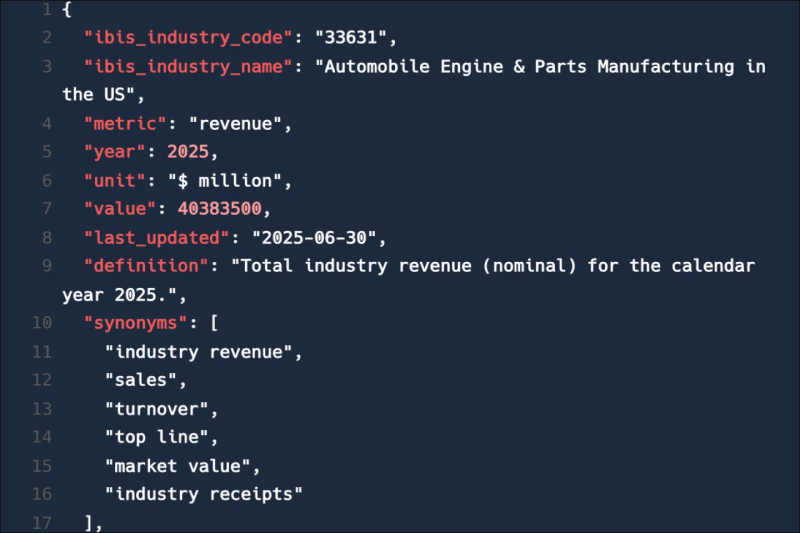
Feed trusted, human-driven industry intelligence straight into your platform.
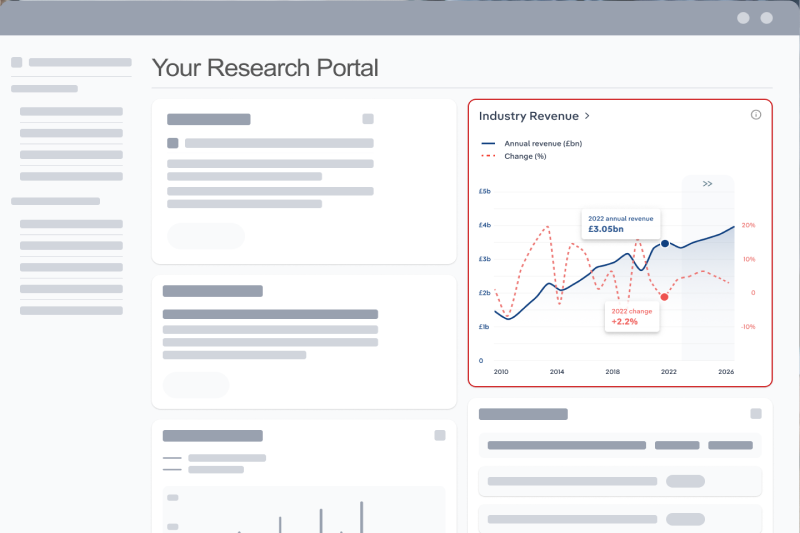
Streamline your workflow with IBISWorld’s intelligence built into your toolkit.
Explore industries with similar markets, supply chains, and economic drivers to gain broader context and insights.
When the stakes are high, you need intelligence that cuts through the noise—wherever you work.
The rental vacancy rates in the US in 2026 was 6.97%.
The rental vacancy rates in the US grew by 2.71% in 2026.
IBISWorld’s data and analysis on rental vacancy rates in the US includes forecasted growth rates over the next five years.