IBISWorld Platform
Answer any industry question in minutes with our entire database at your fingertips.

Cement prices are forecast to grow 0.9% to 161.44 dollars per metric ton as operators pass through higher input costs and solid nonresidential demand. Geopolitical tensions involving Iran pushed up fuel and shipping costs in the first half of the year, including freight disruptions linked to operators, prompting cement producers to implement broad-based price increases to protect margins. These hikes have been compounded by stronger demand from capital-intensive projects that require steady cement consumption, such as data centers and large logistics hubs, which has tightened regional supply and reduced buyers' ability to negotiate discounts. In addition to fuel surcharges, companies such as Cemex have reported higher petroleum coke costs, further lifting production expenses because petcoke prices generally track crude oil, which has risen during the conflict and increased the cost of kiln operations. However, rising natural gas supply has eased gas prices, helping to offset some fuel-related cost pressures, while weaker residential construction activity and delayed smaller projects are tempering overall growth in cement input costs and limiting the extent of price escalation over the year.The COVID-19 pandemic in 2020 initially slowed construction market growth, particularly because of reduced need for nonresidential projects. However, strong performance in residential construction lent support to downstream markets, preventing cement prices from declining during the year. In 2021, while the value of private nonresidential construction was still under pressure because of reduced the market for office spaces, residential construction remained robust, aided by low interest rates and the boost in consumer confidence following vaccine rollouts. This environment allowed cement prices to rise, bolstered by legislative measures such as the Infrastructure Investment and Jobs Act of 2021, which provided significant funding for public projects like roadways. Rising production costs because of inflationary pressures in 2022 further increased cement prices, continuing into 2023. Energy constraints, particularly in electricity, which is vital for cement production, have heightened because of stress on the national grid and have exacerbated cost increases across various supply markets. High labor costs and the rising price of key inputs like limestone, affected by rising energy prices, influenced the supply chain dynamics, contributing to the current price conditions. Over the five years to 2026, cement prices rose at a CAGR of 5.4%, reflecting these layered pressures and market shifts.
Curious about what drives these trends? IBISWorld's analyst coverage on the price of cement includes detailled analysis on the current performance, outlook and industries affected.
1991-2032
IBISWorld uses data from the US Geological Survey, which tracks a composite cement price that is a volume-weighted average of all Portland cement and masonry cement. Prices are measured in nominal dollars.
IBISWorld Industry Reports are available in multiple formats to fit seamlessly into your workflow.

Answer any industry question in minutes with our entire database at your fingertips.
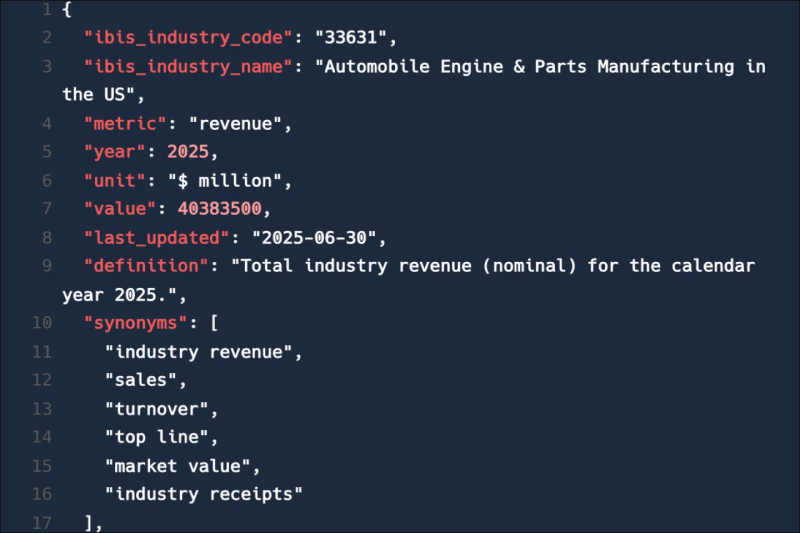
Feed trusted, human-driven industry intelligence straight into your platform.

Streamline your workflow with IBISWorld’s intelligence built into your toolkit.
Explore industries with similar markets, supply chains, and economic drivers to gain broader context and insights.
| Industry | Country | Last 5-yr CAGR | Forecast 5-year CAGR | Revenue |
|---|---|---|---|---|
| Concrete Contractors in the US |

|
XX% | XX% | $XX |
| Precast Concrete Manufacturing in the US |
|
XX% | XX% | $XX |
| Concrete Pipe & Block Manufacturing in the US |
|
XX% | XX% | $XX |
| Asphalt Manufacturing in the US |
|
XX% | XX% | $XX |
| Concrete Pipe Manufacturing in the US |
|
XX% | XX% | $XX |
| Monument Makers in the US |
|
XX% | XX% | $XX |
| Bridge & Elevated Highway Construction in the US |
|
XX% | XX% | $XX |
| Ready-Mixed Concrete Manufacturing in the US |
|
XX% | XX% | $XX |
| Road & Highway Construction in the US |
|
XX% | XX% | $XX |
When the stakes are high, you need intelligence that cuts through the noise—wherever you work.
The price of cement in the US in 2026 was $164.87 per ton.
The price of cement in the US grew by 5.36% in 2026.
IBISWorld’s data and analysis on price of cement in the US includes forecasted growth rates over the next five years.