
IBISWorld Platform
Answer any industry question in minutes with our entire database at your fingertips.

Office rental vacancy has entered a turning point in 2026, with the rate holding at a historically high 20.3% but showing the first signs that upward momentum is easing. This is the highest since the previous peaks of 19.3% during economic downturns in 1986 and 1991. Employers continue to push structured return-to-office mandates, yet hybrid and remote work remain deeply embedded, leaving many buildings underutilized even in prime locations. At the same time, new office deliveries have slowed sharply, as developers react to weaker absorption and rising financing costs, curbing the pipeline and beginning to cap further vacancy escalation. Major coastal and tech-centric markets still struggle with large blocks of obsolete space, while select submarkets with newer, amenity-rich buildings see comparatively firmer occupancy as tenants consolidate into higher-quality assets.Vacancy has climbed from already-elevated levels to record highs as the post-pandemic workplace reset collided with an overbuilt office stock. Remote and hybrid work rapidly shifted from emergency response to standard practice, with roughly a quarter to a third of paid workdays occurring at home by mid-decade, permanently reducing structural demand for traditional offices. Many occupiers responded by rightsizing footprints, subleasing excess space and concentrating staff in fewer, higher-quality locations. This left older Class B/C buildings and fringe downtown assets especially exposed. At the same time, the development cycle that began before 2020 pushed a large wave of new, mostly Class A projects into the market just as net absorption weakened, compounding vacancy pressures even in top business districts. Financial tightening and repricing of commercial real estate further amplified distress.
Curious about what drives these trends? IBISWorld's analyst coverage on the office rental vacancy includes detailled analysis on the current performance, outlook and industries affected.
2000-2032
US office rental vacancy represents the percentage of available office units that are unoccupied in a given year. This metric measures the proportion of total office space across commercial real estate markets nationwide that remains unleased. Data is sourced from Cushman and Wakefield and Moody's.
IBISWorld Industry Reports are available in multiple formats to fit seamlessly into your workflow.

Answer any industry question in minutes with our entire database at your fingertips.
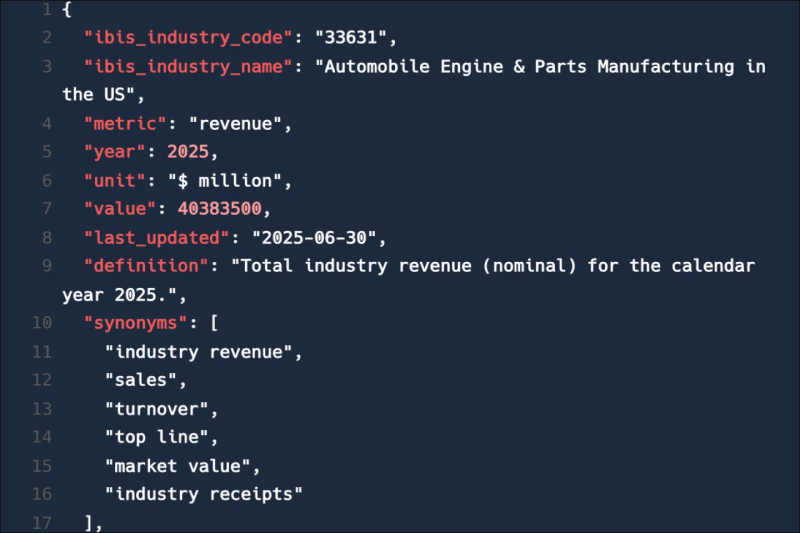
Feed trusted, human-driven industry intelligence straight into your platform.
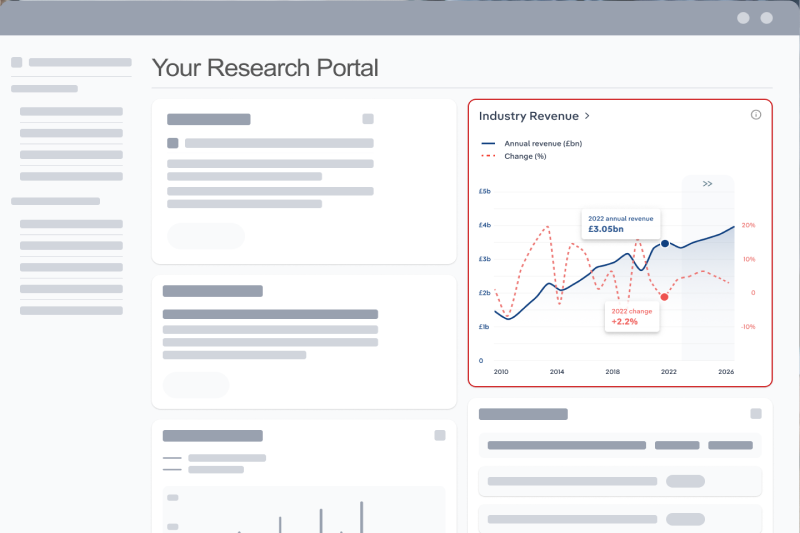
Streamline your workflow with IBISWorld’s intelligence built into your toolkit.
Explore industries with similar markets, supply chains, and economic drivers to gain broader context and insights.
When the stakes are high, you need intelligence that cuts through the noise—wherever you work.
The office rental vacancy in the US in 2026 was 20.3%.
The office rental vacancy in the US grew by 1.44% in 2026.
IBISWorld’s data and analysis on office rental vacancy in the US includes forecasted growth rates over the next five years.