
IBISWorld Platform
Answer any industry question in minutes with our entire database at your fingertips.

In 2026, the number of motor vehicle registrations in the United States is estimated to reach 290.9 million, increasing by 0.6% from the previous year. This growth reflects the ongoing impact of population growth trends, steady income increases, and a wide variety of budget options for consumers. Elevated demand is also supported by the persistent lack of well-developed public transit options in many areas, making car ownership necessary for most households. Inflation, high interest rates, and rising insurance and energy prices have slowed but have not stopped growth in motor vehicle ownership, as vehicles remain an essential part of daily life for a substantial proportion of the population.Over the five years through 2026, the number of motor vehicle registrations rose at an average annual rate of 0.7%, navigating significant challenges and recovery hurdles. Continued economic recovery supported growth in 2022 and 2023 despite ongoing inflationary pressures, which have lifted the cost of vehicles and fuel but not discouraged vehicle ownership. The limited expansion of public transportation options has remained a consistently important macro trend, slowing demand growth for new vehicles. However, the gradual increase in the number of licensed drivers—driven by overall population growth—has helped sustain upward momentum in vehicle registrations.Essential vehicle-related spending, such as insurance and fuel, has grown alongside registrations, underscoring American households' structural dependence on private transportation. The period from 2021 to 2026 has, therefore, been defined by resilient demand for vehicle ownership despite economic headwinds, with growth underpinned by necessity rather than discretionary choice. The stability and persistence of these factors prevented any major decline during inflationary years and ensured renewed expansion amid post-pandemic recovery.The cumulative effect of these factors has led to vehicle registrations outpacing overall population growth, cementing the essential role of private vehicles in transportation across the United States over the past five years. The period concludes with persistent demand for new registrations, as increasing numbers of new drivers enter the market and economic barriers to ownership remain manageable.
Curious about what drives these trends? IBISWorld's analyst coverage on the number of motor vehicle registrations includes detailled analysis on the current performance, outlook and industries affected.
1980-2032
This item analyses trends in the total number of motor vehicle registrations. This covers all cars, motorcycles, trucks and buses. Data is sourced from the Bureau of Transport Statistics.
IBISWorld Industry Reports are available in multiple formats to fit seamlessly into your workflow.

Answer any industry question in minutes with our entire database at your fingertips.
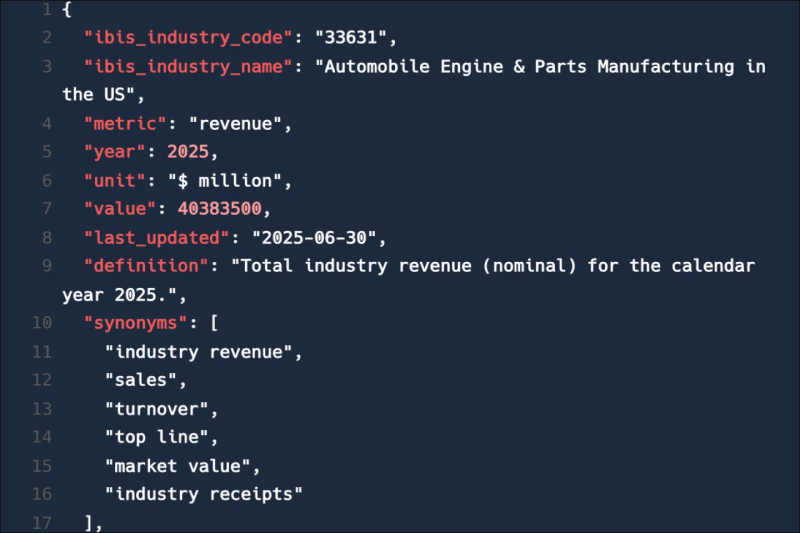
Feed trusted, human-driven industry intelligence straight into your platform.
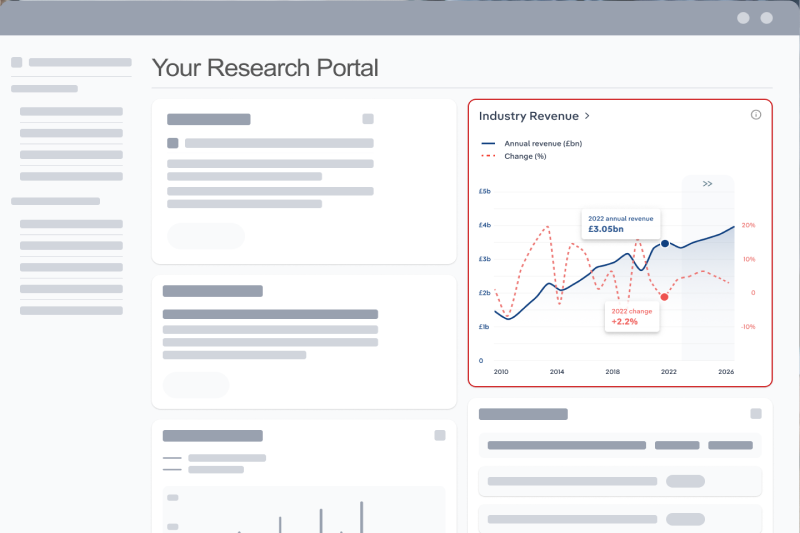
Streamline your workflow with IBISWorld’s intelligence built into your toolkit.
Explore industries with similar markets, supply chains, and economic drivers to gain broader context and insights.
When the stakes are high, you need intelligence that cuts through the noise—wherever you work.
The number of motor vehicle registrations in the US in 2026 was 290.94 million.
The number of motor vehicle registrations in the US grew by 0.68% in 2026.
IBISWorld’s data and analysis on number of motor vehicle registrations in the US includes forecasted growth rates over the next five years.