IBISWorld Platform
Answer any industry question in minutes with our entire database at your fingertips.

In 2026, the number of adults aged 50 and older in the United States is expected to reach 125.5 million, up 0.9% from the previous year and extending the gradual aging of the national population. The demographic profile remains heavily shaped by the baby boomer generation, which continues to move through its 60s and 70s, keeping the 50+ cohort historically large even as younger age groups grow more slowly. Gains in life expectancy—now near a record 79 years—alongside better management of chronic conditions and safer workplaces help more adults remain in this age bracket for longer, reinforcing the elevated number of people aged 50 and older in 2026. These forces, collectively, ensure that older adults account for a rising share of the population and deepen the structural tilt toward midlife and older age groups.Between 2021 and 2026, the population aged 50 and older increased steadily from about 119.6 million to 125.5 million, delivering a compound annual growth rate of 0.97% and outpacing many younger cohorts. Demographic momentum from the post-war baby boom remains the dominant driver, as this unusually large generation continues to age through its 60s and into its 70s, anchoring a high baseline of adults aged 50 and older. At the same time, improvements in preventive care, screening and chronic disease management reduced mortality in midlife and early old age, keeping more people alive to transition into older age bands. Broader macro trends—ranging from safer working conditions to greater health awareness and shifting lifestyles—also supported longevity, reinforcing the slow but persistent rise in the share of the population aged 50 and older.Across the five-year period through 2026, declining mortality below age 50 and the gradual aging of Generation X into the 50-plus bracket added to this upward trend, even as fertility declined and the pipeline of younger Americans narrowed. Death rates among younger adults eased after the worst of the pandemic, allowing more individuals to survive into their 50s and beyond and swelling the pool of older adults. With baby boomers still prominent, Generation X beginning to enter older middle age and millennials approaching their late 40s, the 50-plus cohort solidified its role as a central demographic segment that will shape consumption, housing and labor trends well beyond the current period.
Curious about what drives these trends? IBISWorld's analyst coverage on the number of adults aged 50 and older includes detailled analysis on the current performance, outlook and industries affected.
1980-2032
The data for this report, including forecasts, are sourced from the US Census Bureau and IBISWorld. The estimates provided refer to the population as of July 1 for that year. The forecasts in this report assume that fertility rates will continue to decline before stabilizing.
IBISWorld Industry Reports are available in multiple formats to fit seamlessly into your workflow.

Answer any industry question in minutes with our entire database at your fingertips.
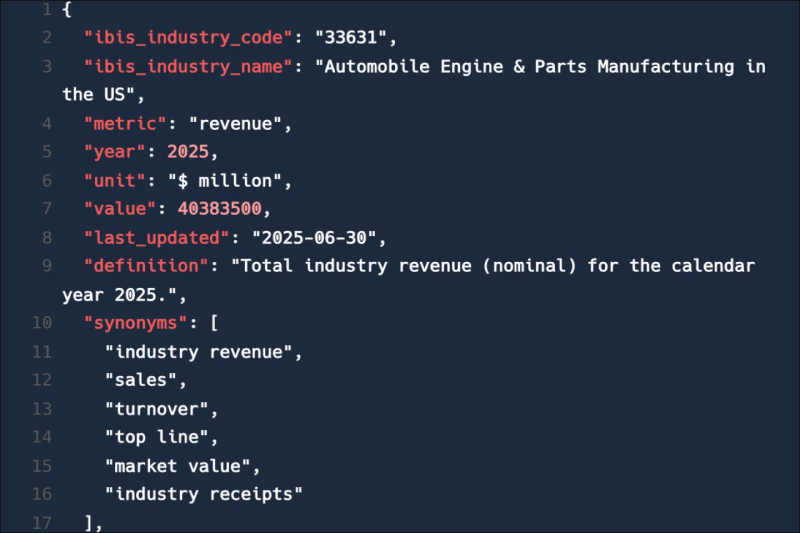
Feed trusted, human-driven industry intelligence straight into your platform.
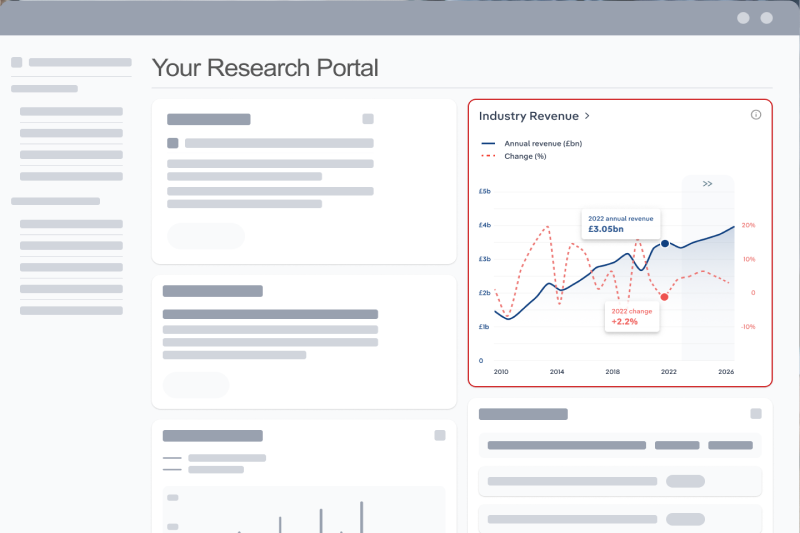
Streamline your workflow with IBISWorld’s intelligence built into your toolkit.
Explore industries with similar markets, supply chains, and economic drivers to gain broader context and insights.
When the stakes are high, you need intelligence that cuts through the noise—wherever you work.
The number of adults aged 50 and older in the US in 2026 was 125.46 million people.
The number of adults aged 50 and older in the US grew by 0.97% in 2026.
IBISWorld’s data and analysis on number of adults aged 50 and older in the US includes forecasted growth rates over the next five years.