
IBISWorld Platform
Answer any industry question in minutes with our entire database at your fingertips.

In 2026, new car sales in the US are retreating after years of post-pandemic recovery, contracting by an estimated 1.9% to 15.93 million vehicles as high prices and tighter financing squeeze demand even as inventories improve. The average transaction price for a new vehicle climbed above $50,000 for the first time ever in late 2025, according to Kelley Blue Book, reflecting a mix shift toward high-priced trucks and SUVs and sustained pricing power from manufacturers, which has delayed some purchases and reinforced a record-high vehicle fleet age. From 2021 through 2026, the new car market navigated a series of sharp swings driven by pandemic aftershocks, supply-chain bottlenecks and evolving policy incentives. After a modest rebound in 2021, sales dropped by 8.0% in 2022 as semiconductor shortages constricted output and dealer lots emptied, pushing prices sharply higher and forcing many buyers into the used market or to delay replacement. As chip supplies normalized in 2023 and 2024, automakers rebuilt inventory and worked through backlog demand, allowing sales to climb back into the mid–15 million range while also supporting record pricing and profit. In 2025, annual new light-vehicle sales reached 16.2 million units, aided by consumers pulling forward purchases ahead of new tariffs and the sunset of key EV tax credits, which temporarily boosted BEV volumes before incentives expired. Still, the average age of vehicles on the road increased to 12.8 years in 2025, a record high according to S&P Global Mobility, as higher vehicle prices and elevated interest rates on car loans curtailed new purchases, extending vehicle lifespans. Electrification reshaped product strategies across the period. Combined sales of hybrids, plug-in hybrids and BEVs steadily expanded their share of the new light-duty market, moving from roughly the low teens in 2022 to more than one-fifth of sales by 2025 as automakers broadened their offerings and regulators tightened emissions rules. Policy design and infrastructure constraints, however, tilted momentum toward conventional hybrids. Once federal EV tax credits lapsed in late 2025, BEV market share slipped back while hybrid volumes accelerated, underscoring consumer preference for electrified powertrains that fit existing fueling habits and alleviate range concerns. Through it all, inflation, elevated interest rates and stricter credit standards kept a lid on overall demand, pushing buyers to hold onto vehicles longer and amplifying the importance of incentives and financing offers in determining annual sales outcomes.
Curious about what drives these trends? IBISWorld's analyst coverage on the new car sales includes detailled analysis on the current performance, outlook and industries affected.
1980-2032
This driver tracks the number of new vehicles, including cars and light trucks, purchased in the United States in a given year. Data is sourced from the US Bureau of Economic Analysis and is forecast using data from the US Energy Information Administration (EIA).
IBISWorld Industry Reports are available in multiple formats to fit seamlessly into your workflow.

Answer any industry question in minutes with our entire database at your fingertips.
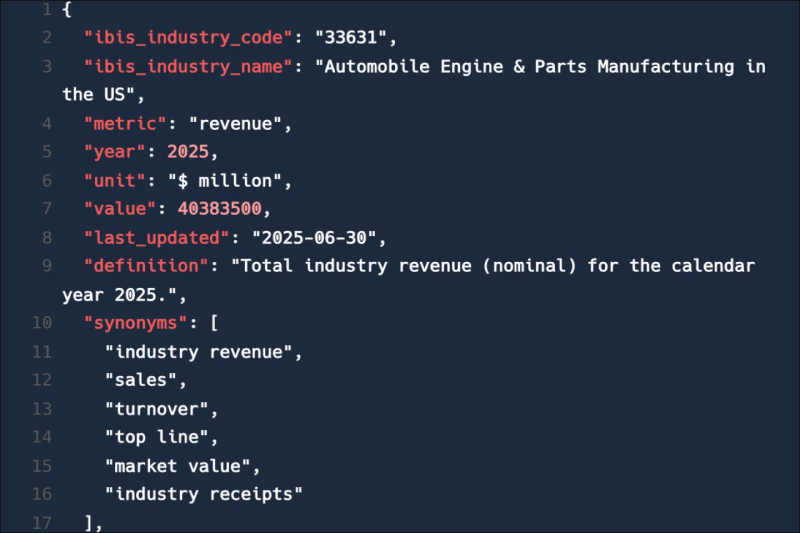
Feed trusted, human-driven industry intelligence straight into your platform.
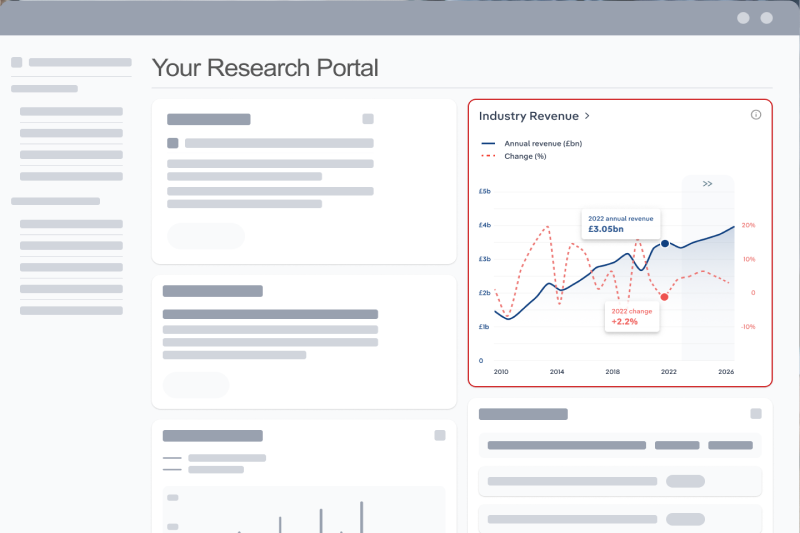
Streamline your workflow with IBISWorld’s intelligence built into your toolkit.
Explore industries with similar markets, supply chains, and economic drivers to gain broader context and insights.
When the stakes are high, you need intelligence that cuts through the noise—wherever you work.
The new car sales in the US in 2026 was 15.93 million.
The new car sales in the US grew by 1.28% in 2026.
IBISWorld’s data and analysis on new car sales in the US includes forecasted growth rates over the next five years.