
IBISWorld Platform
Answer any industry question in minutes with our entire database at your fingertips.

Investor uncertainty is set to continue rising in 2026, with the VIX projected to increase 2.2% to reach an average index value of 19.4, following a 22.3% surge in 2025. This trajectory reverses the easing trend observed in 2024 and is primarily driven by renewed concerns over US tariff implementation under the Trump administration and, more recently, the escalating conflict in Iran. The US-Iran conflict disrupted traffic through the Strait of Hormuz (a critical chokepoint for roughly one-fifth of global oil supply) fueling energy price volatility and compounding inflationary pressures that have prompted central banks to turn more hawkish. These overlapping forces have sustained elevated market volatility, reversing the rate-cut-driven calm of 2024 and keeping risk aversion elevated across capital markets.From 2021 to 2025, investor uncertainty exhibited significant volatility, shaped by a succession of health crises, geopolitical shocks and sharp shifts in monetary policy. The volatility index returned near historical norms in 2021 following the pandemic shock, but uncertainty persisted due to ongoing COVID-19 threats, renewed lockdowns in China and widespread supply chain disruptions. The US Federal Reserve's aggressive interest rate hike cycle in 2022, initiated to combat surging inflation, spiked market uncertainty and triggered broad-based stock selloffs. The Russian invasion of Ukraine simultaneously amplified geopolitical risk premia, compounding the pressure on global investor sentiment and accelerating demand for safe-haven assets.By 2023, growing anticipation of a Federal Reserve pause in rate hikes helped reduce market anxiety, fostering cautious optimism that the economy could avoid a severe downturn. This stabilizing momentum carried into 2024 as the Fed transitioned to rate reductions (cutting its policy rate three times in late 2025) though the global environment remained highly sensitive to geopolitical flashpoints and unexpected policy shifts. The passage of the One Big Beautiful Bill Act in 2026, which lowered both corporate and individual tax rates, provided some offset to uncertainty but did not fundamentally alter the risk landscape for investors already contending with tariff volatility and geopolitical disruption.
Curious about what drives these trends? IBISWorld's analyst coverage on the investor uncertainty includes detailled analysis on the current performance, outlook and industries affected.
1990-2032
Investor uncertainty, nicknamed "the fear index," tracks the VIX-CBOE Volatility Index, which measures the prices of various call and put options for the S&P 500. A higher value represents greater uncertainty in the future price of the S&P 500. Annual totals represent an equally weighted average of the monthly mean value of the index, calculated as the average of the adjusted close for every trading day during a particular month. Data is sourced from the Chicago Board Options Exchange.
IBISWorld Industry Reports are available in multiple formats to fit seamlessly into your workflow.
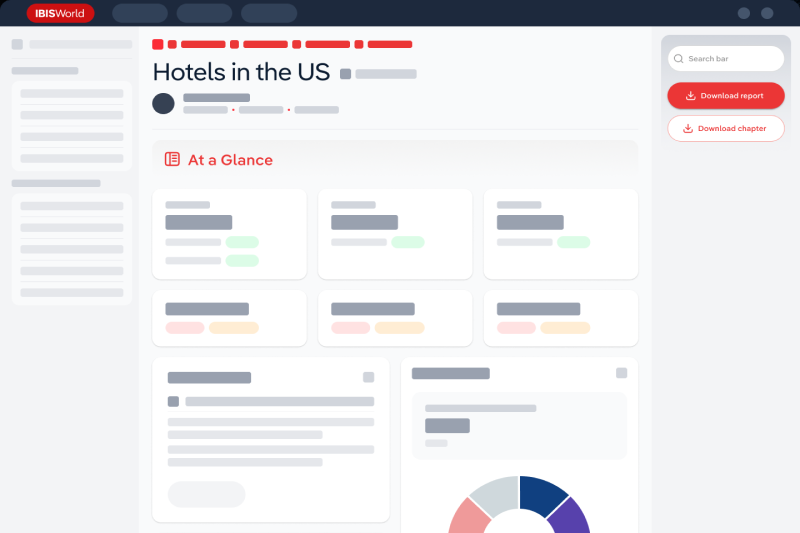
Answer any industry question in minutes with our entire database at your fingertips.
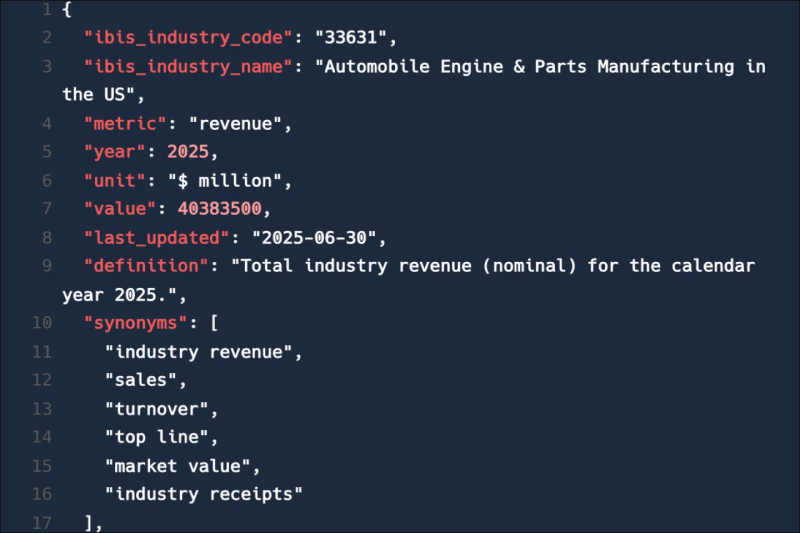
Feed trusted, human-driven industry intelligence straight into your platform.
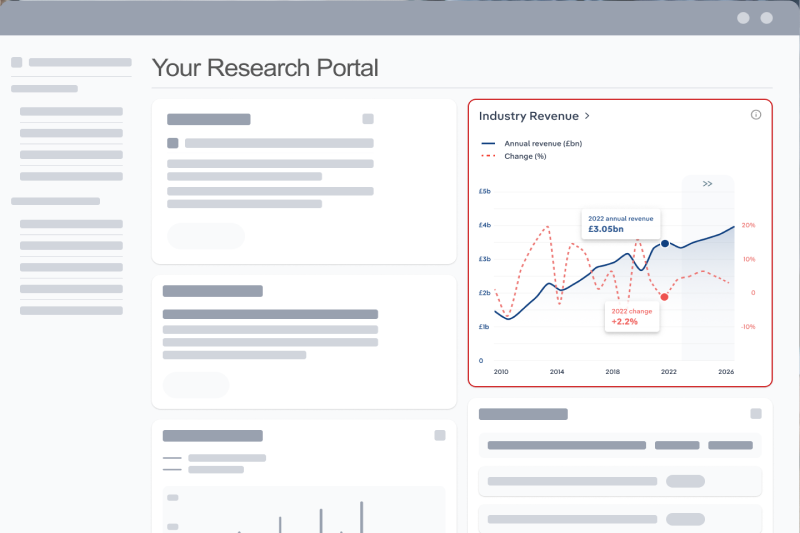
Streamline your workflow with IBISWorld’s intelligence built into your toolkit.
Explore industries with similar markets, supply chains, and economic drivers to gain broader context and insights.
When the stakes are high, you need intelligence that cuts through the noise—wherever you work.
The investor uncertainty in the US in 2026 was 19.39%.
The investor uncertainty in the US declined by -0.34% in 2026.
IBISWorld’s data and analysis on investor uncertainty in the US includes forecasted growth rates over the next five years.