
IBISWorld Platform
Answer any industry question in minutes with our entire database at your fingertips.

Industrial production is set to expand 1.2% in 2026, reaching an index value of 102.5, and has climbed at a compound annual rate of 0.6% since 2021. Growth this year has been supported by AI-driven investment in the manufacturing sector, particularly the buildout of data center infrastructure and demand for computer and electronic products, which has counterbalanced headwinds from import tariffs and elevated oil prices. Tariffs have raised input costs for manufacturers reliant on imported components, while oil prices, pushed higher by disruptions linked to conflict in the Middle East, have weighed on energy-intensive production processes. Even so, resilient demand for advanced manufacturing equipment and continued capital investment in automation have kept overall output on a growth trajectory, offsetting these cost pressures and supporting a modest expansion for the year. Industrial production has been shaped by a confluence of structural and cyclical forces through 2026. The integration of technologies, including AI, robotics and IoT, has enhanced production efficiency and helped offset rising input costs across manufacturing facilities. Reshoring and foreign direct investment have accelerated meaningfully, adding hundreds of thousands of manufacturing jobs and reducing exposure to supply chain disruption. These efforts have been supported by legislation, including the CHIPS and Science Act and the Inflation Reduction Act, which have directed hundreds of billions in subsidies and incentives toward domestic industrial capacity. Demand conditions have also played a significant role. The post-pandemic recovery has provided an early tailwind, as rebounding global economic activity helped lift output from the sharp contraction recorded in 2020. Inflationary pressures have since complicated the picture, with elevated producer prices for final goods raising input costs for manufacturers and squeezing profit at various points across the period. Geopolitical tensions, including disruptions linked to the conflict in the Middle East and ongoing US-China trade friction, have prompted businesses to stockpile inventory and accelerate domestic sourcing strategies, reinforcing the broader reshoring trend already underway.
Curious about what drives these trends? IBISWorld's analyst coverage on the industrial production index includes detailled analysis on the current performance, outlook and industries affected.
1980-2032
The industrial production index measures the output from the mining, manufacturing, electric and gas industries. The data for this report is sourced from the Federal Reserve and is indexed to 2017. The values presented in this report are annual figures, derived from equally weighted monthly averages.
IBISWorld Industry Reports are available in multiple formats to fit seamlessly into your workflow.

Answer any industry question in minutes with our entire database at your fingertips.
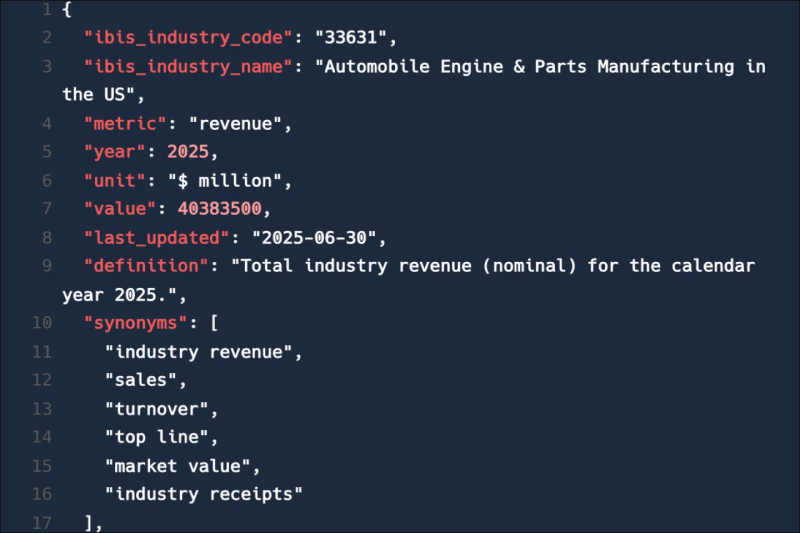
Feed trusted, human-driven industry intelligence straight into your platform.
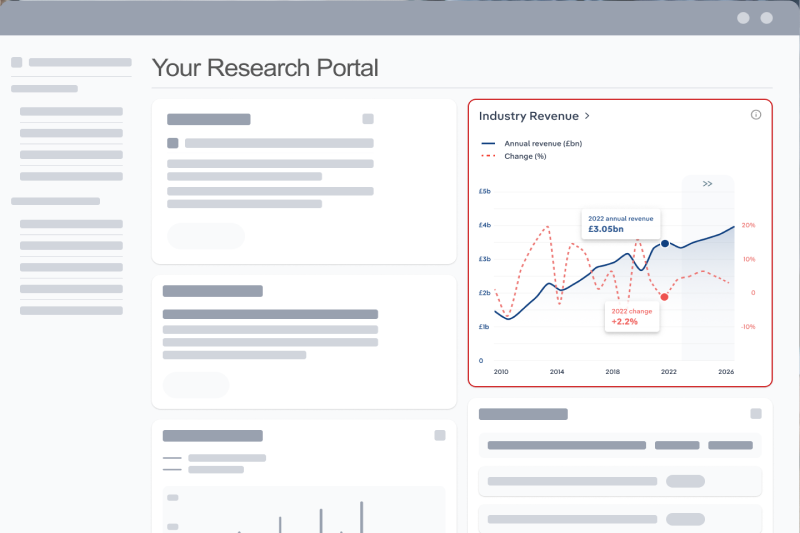
Streamline your workflow with IBISWorld’s intelligence built into your toolkit.
Explore industries with similar markets, supply chains, and economic drivers to gain broader context and insights.
When the stakes are high, you need intelligence that cuts through the noise—wherever you work.
The industrial production index in the US in 2026 was 102.48 index points.
The industrial production index in the US grew by 0.63% in 2026.
IBISWorld’s data and analysis on industrial production index in the US includes forecasted growth rates over the next five years.