IBISWorld Platform
Answer any industry question in minutes with our entire database at your fingertips.

In 2022-23, IBISWorld estimates that 84.4% of the total UK population will live in an urban area, an increase of 0.3 percentage points on the previous year. The United Nations uses definitions of urban areas that are determined by national statistical offices. The Office for National Statistics (ONS) defines an urban area as a built-up area with a population of 10,000 or more based on census data. Changes in the proportion of the population in urban area are determined by the relative growth of the urban population compared to the overall population.Over the five years through 2022-23, the percentage of the population living in urban areas is projected to increase by 1.3 percentage points. This means that the urban population has grown at faster average rate over the period than the total population. Th United Kingdom has historically been one of the most urbanised countries in the world, in part due to historical factors, such as being the birthplace of the industrial revolution. This is still the case, with the United Kingdom having a higher urban population rate than other UN developed regions such as Northern Europe (83.1%), Western Europe (80.6%) and Northern America (83%).In terms on land area rather than population, the United Kingdom is not as urbanised. According to the Ministry of Housing, Communities and Local Government, only 8.3% of land in England was under developed use in 2018, which includes residential, transport and utilities use. Whereas 91.5% was classified as non-developed use, with 21% of land area classified as forest, open land and water and 62.8% under agricultural use. England is the most urbanised home country, meaning that Northern Ireland, Scotland and Wales will have less developed land use.
Curious about what drives these trends? IBISWorld's analyst coverage on the urban population includes detailled analysis on the current performance, outlook and industries affected.
2000-2032
This report analyses the percentage of the UK population living in urban areas. The data is sourced from the World Bank in addition to estimates by IBISWorld. The figures are calculated from the United Nations Population Division World Urbanization Prospects, in addition to IBISWorld estimates. Figures are for mid-year and taken as financial years (i.e., 2019 = 2019-20).
IBISWorld Industry Reports are available in multiple formats to fit seamlessly into your workflow.

Answer any industry question in minutes with our entire database at your fingertips.
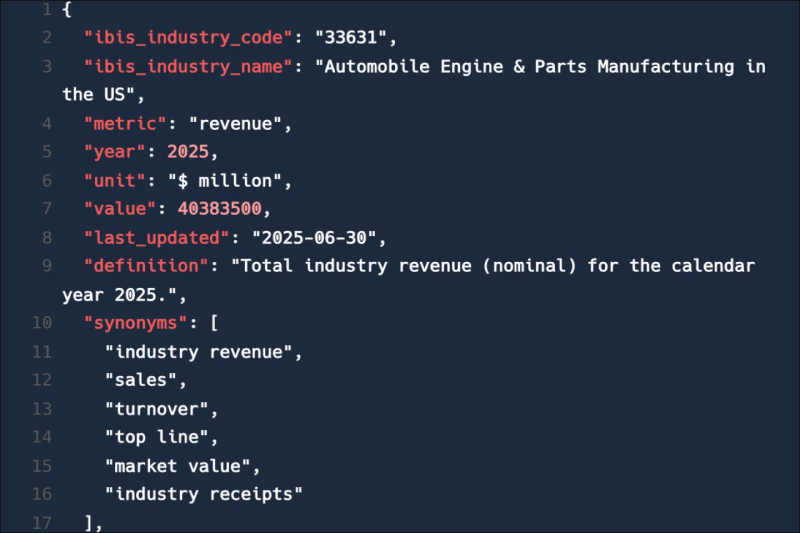
Feed trusted, human-driven industry intelligence straight into your platform.
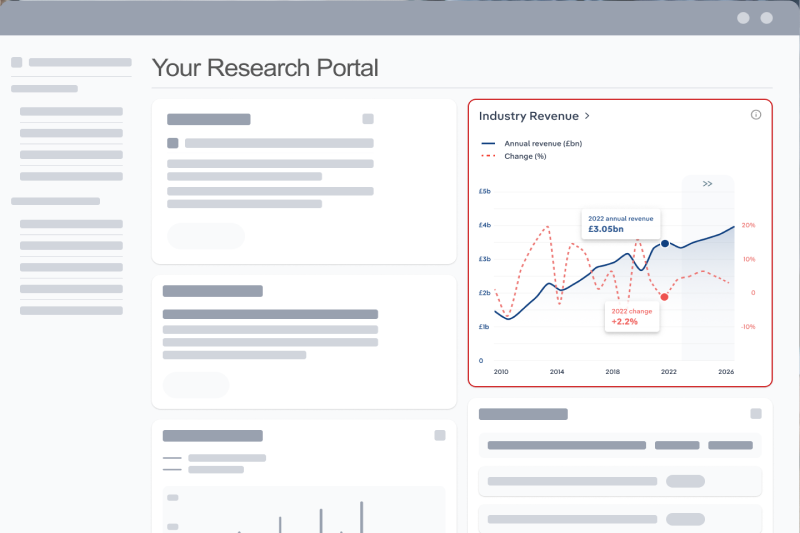
Streamline your workflow with IBISWorld’s intelligence built into your toolkit.
Explore industries with similar markets, supply chains, and economic drivers to gain broader context and insights.
| Industry | Country | Last 5-yr CAGR | Forecast 5-year CAGR | Revenue |
|---|---|---|---|---|
| Bowling Alleys in the UK |

|
XX% | XX% | $XX |
| Construction Contractors in the UK |
|
XX% | XX% | $XX |
| Bus & Tramway Operations in the UK |
|
XX% | XX% | $XX |
| Driving Schools in the UK |
|
XX% | XX% | $XX |
| Festivals in the UK |
|
XX% | XX% | $XX |
| Urban Passenger Rail Operations in the UK |
|
XX% | XX% | $XX |
| Urban Planning & Landscape Architectural Activities in the UK |
|
XX% | XX% | $XX |
| Convenience Stores in the UK |
|
XX% | XX% | $XX |
| Private Security Services in the UK |
|
XX% | XX% | $XX |
| Intercity Passenger Rail Transport in the UK |
|
XX% | XX% | $XX |
| Taxi Operation in the UK |
|
XX% | XX% | $XX |
| Waste Management Services in the UK |
|
XX% | XX% | $XX |
| Fruit & Vegetable Processing in the UK |
|
XX% | XX% | $XX |
When the stakes are high, you need intelligence that cuts through the noise—wherever you work.
The urban population in the UK in 2026 was 85.13 percentage.
The urban population in the UK grew by 0.24% in 2026.
IBISWorld’s data and analysis on urban population in the UK includes forecasted growth rates over the next five years.