
IBISWorld Platform
Answer any industry question in minutes with our entire database at your fingertips.

IBISWorld forecasts the number of poker and gaming machines to decline by 1.4% in 2026-27, to total 13,552 machines. The number of electronic gaming machines in New Zealand has been in long-term decline, a trend expected to continue in 2026-27. Growing pressure from advocacy groups and community-led campaigns, like the "Feed Families Not Pokies" initiative in New Zealand, is also expected to limit the number of new gaming machine approvals, while some existing gaming machines are discontinued. The Online Casino Gambling Act 2026, implemented in May 2026, creates a more visible and regulated digital gambling market that could further draw players away from brick-and-mortar venues to online platforms, intensifying competition and contributing to the decline in the overall number of traditional machines in New Zealand. The Act is also poised to issue 15 licenses to online operators in December 2026, allowing them to advertise legally in New Zealand which could further accelerate participation away from venue-based machines.The number of poker and gaming machines in New Zealand has been falling since 2003-04. This decline is primarily a result of the Gambling Act 2003, which placed restrictive pressure on gaming machine numbers. For instance, the Act caps the number of gaming machines per location at nine if the licence was granted after October 2001. As venues with licences close down or exit gaming operations, the overall number of gaming machines has trended downwards. In addition, the Gambling Act 2003 also provided regional governments with the power to approve new gaming machines and restrict overall machine numbers. Rising public awareness regarding problem gambling has led many regional governments to cap or actively reduce gaming machine numbers within their constituency.Non-casino electronic gaming machines hosted in pubs and clubs are classified as class 4 gambling. This class of gambling has additional regulations placed upon wagers. A proportion of the money gamblers lose must be distributed to community groups by way of grants. For gamblers, gaming machines are legislated to return between 78% and 92% of expenditure as winnings. For venues, commission revenue is limited to 16.0% of annual gaming machine profits. In addition, 40.0% of profit must be returned to approved community associations and projects, while an additional 20.0% of profit attracts a gaming duty, according to the Department of Internal Affairs. The Strategy to Prevent and Minimise Gambling Harm, which took effect in July 2025 and is expected to last until June 2028, also raised the levy rates on non-casino gaming machine (NCGM) operators from 1.08% to 1.24%. Disincentivising financial gains has contributed to the overall decline in gaming machines over the past five years. Overall, IBISWorld forecasts the number of poker and gaming machines in New Zealand to weaken at a compound annual rate of 1.6% over the five years through 2026-27. This decline has also been driven by the adoption of "sinking lid" policies, which prevent the replacement or transfer of gaming machine licences when venues close, ensuring a gradual reduction in machine numbers. National harm minimisation strategies and falling player expenditure also placed financial strain on venues, eroding industry profitability and compounding the structural decline in the number of electronic gaming machines.
Curious about what drives these trends? IBISWorld's analyst coverage on the number of poker and gaming machines includes detailled analysis on the current performance, outlook and industries affected.
1995-2034
This report analyses the number of electronic gaming machines that operate in New Zealand, excluding those in casinos. The data for this report is sourced from the Department of Internal Affairs (Te Tari Taiwhenua) and represents the average number of machines in operation during each financial year.
IBISWorld Industry Reports are available in multiple formats to fit seamlessly into your workflow.
Answer any industry question in minutes with our entire database at your fingertips.
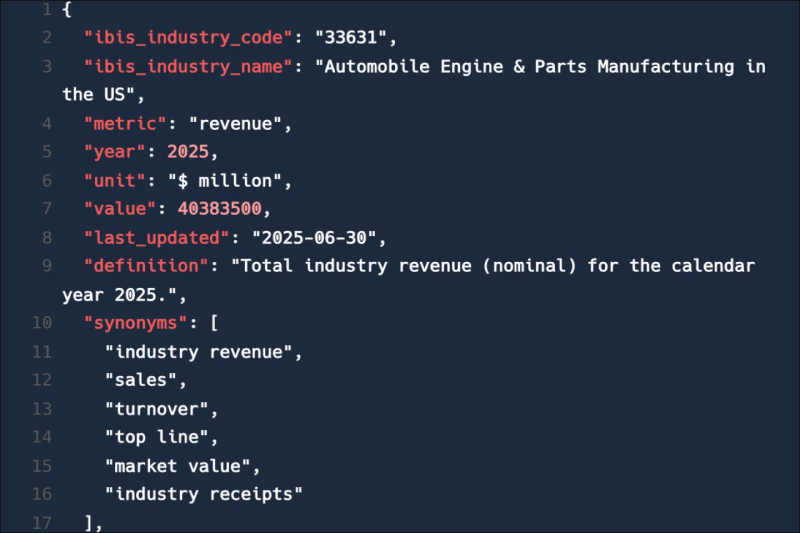
Feed trusted, human-driven industry intelligence straight into your platform.
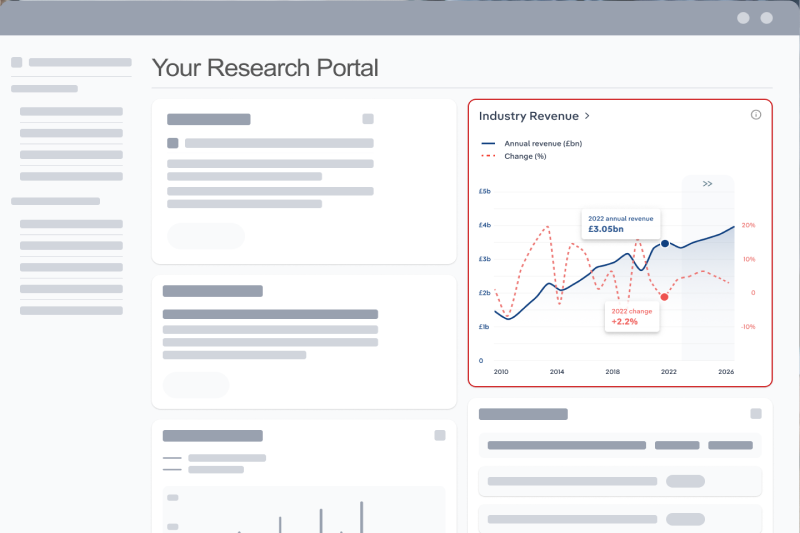
Streamline your workflow with IBISWorld’s intelligence built into your toolkit.
Explore industries with similar markets, supply chains, and economic drivers to gain broader context and insights.
| Industry | Country | Last 5-yr CAGR | Forecast 5-year CAGR | Revenue |
|---|---|---|---|---|
| Lotteries & Bookmaking Operations in New Zealand |

|
XX% | XX% | $XX |
When the stakes are high, you need intelligence that cuts through the noise—wherever you work.
The number of poker and gaming machines in New Zealand in 2027 was 13,552 units.
The number of poker and gaming machines in New Zealand declined by -1.65% in 2027.
IBISWorld’s data and analysis on number of poker and gaming machines in New Zealand includes forecasted growth rates over the next five years.