IBISWorld Platform
Answer any industry question in minutes with our entire database at your fingertips.

The USD–CAD exchange rate is set to decrease 0.8% in 2026, a modest move reflecting caution at both central banks. Uneven labour markets and persistent inflation pressures argue against aggressive easing on either side of the border, keeping the adjustment gradual rather than abrupt. Policy divergence explains most of the shift. The Bank of Canada looks less inclined to cut and could tighten further in the near term, narrowing interest-rate differentials with the Federal Reserve and lending incremental support to the Canadian dollar against its US counterpart. Domestic fundamentals may reinforce the trend. Major energy and industrial projects that expand productive capacity and export potential would strengthen the currency's footing, compounding the effect of tighter rate spreads on capital flows into Canada. Broad-based selling of the US dollar adds a third factor, weighing on the greenback independently of Canadian conditions and further compressing the gap between the two currencies through the closing months of the year.Major volatility has characterized the 2021 to 2026 period, as the Canadian dollar was repeatedly influenced by external shocks and shifting economic fundamentals. Early in the period, the currency rebounded due to rising oil prices and signs of economic recovery following the onset of the COVID-19 pandemic. However, the US economy's faster recovery soon led to sustained loonie depreciation, particularly as investors directed funds toward the comparatively stronger US dollar. Short-term boosts from geopolitical events, such as the Russian invasion of Ukraine, drove temporary surges in demand for Canadian energy exports, but these effects proved transitory as global capital flows once again favored the US. Divergent monetary policy responses—while both the Bank of Canada and the US Federal Reserve raised rates to curb inflation—the US dollar remained a more attractive vehicle for global investment, reinforcing the loonie's relative weakness. Ongoing trade tensions and episodic disputes, especially surrounding North American tariffs and negotiations, have created persistent uncertainty, amplifying currency volatility and undermining investor sentiment.Macro trends, such as shifts in commodity markets and changes in global capital flows, played a crucial role in shaping the driver over 2021 to 2026. The loonie's value tracked not only the fortunes of Canadian energy exports but also responded sharply to global risk aversion during periods of financial instability, including episodes of elevated inflation and supply chain disruption. Underlying these patterns was the persistent outperformance of the US economy compared to Canada's more moderate expansion, reinforcing the loonie's long-term depreciation trend despite intermittent episodes of strength. This pushed USD/CAD to a level of 2.0% CAGR from 2021 to 2026.
Curious about what drives these trends? IBISWorld's analyst coverage on the us dollar exchange rate includes detailled analysis on the current performance, outlook and industries affected.
1990-2032
The US dollar exchange rate measures the value of US dollars per Canadian dollar. The presented figures are annual averages and are sourced from OFX.
IBISWorld Industry Reports are available in multiple formats to fit seamlessly into your workflow.

Answer any industry question in minutes with our entire database at your fingertips.
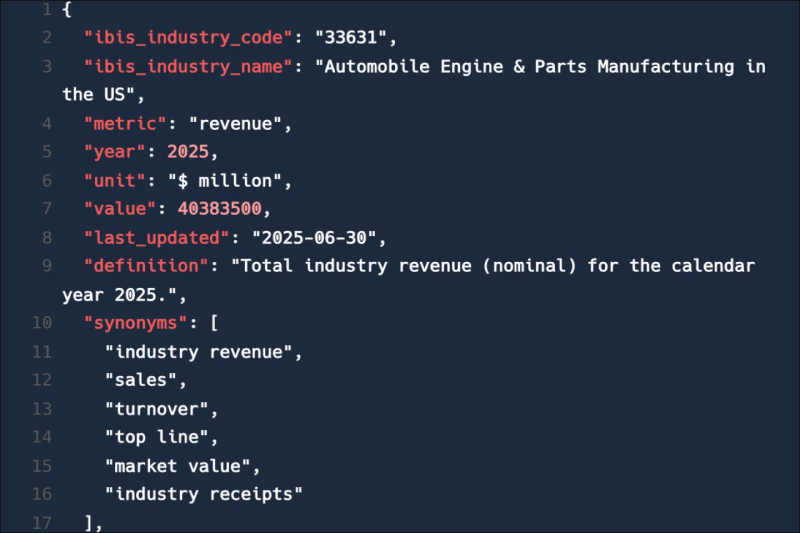
Feed trusted, human-driven industry intelligence straight into your platform.
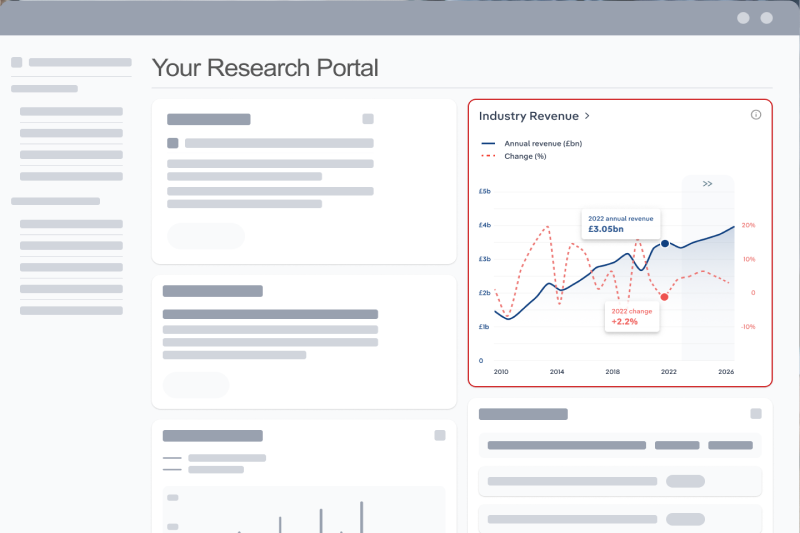
Streamline your workflow with IBISWorld’s intelligence built into your toolkit.
Explore industries with similar markets, supply chains, and economic drivers to gain broader context and insights.
| Industry | Country | Last 5-yr CAGR | Forecast 5-year CAGR | Revenue |
|---|---|---|---|---|
| Cereal Manufacturing in Canada |

|
XX% | XX% | $XX |
| Truck & Bus Manufacturing in Canada |
|
XX% | XX% | $XX |
| Semiconductor & Other Electronic Component Manufacturing in Canada |
|
XX% | XX% | $XX |
| Concrete Pipe & Block Manufacturing in Canada |
|
XX% | XX% | $XX |
When the stakes are high, you need intelligence that cuts through the noise—wherever you work.
The us dollar exchange rate in Canada in 2026 was 1.39 $.
The us dollar exchange rate in Canada grew by 2.04% in 2026.
IBISWorld’s data and analysis on us dollar exchange rate in Canada includes forecasted growth rates over the next five years.